

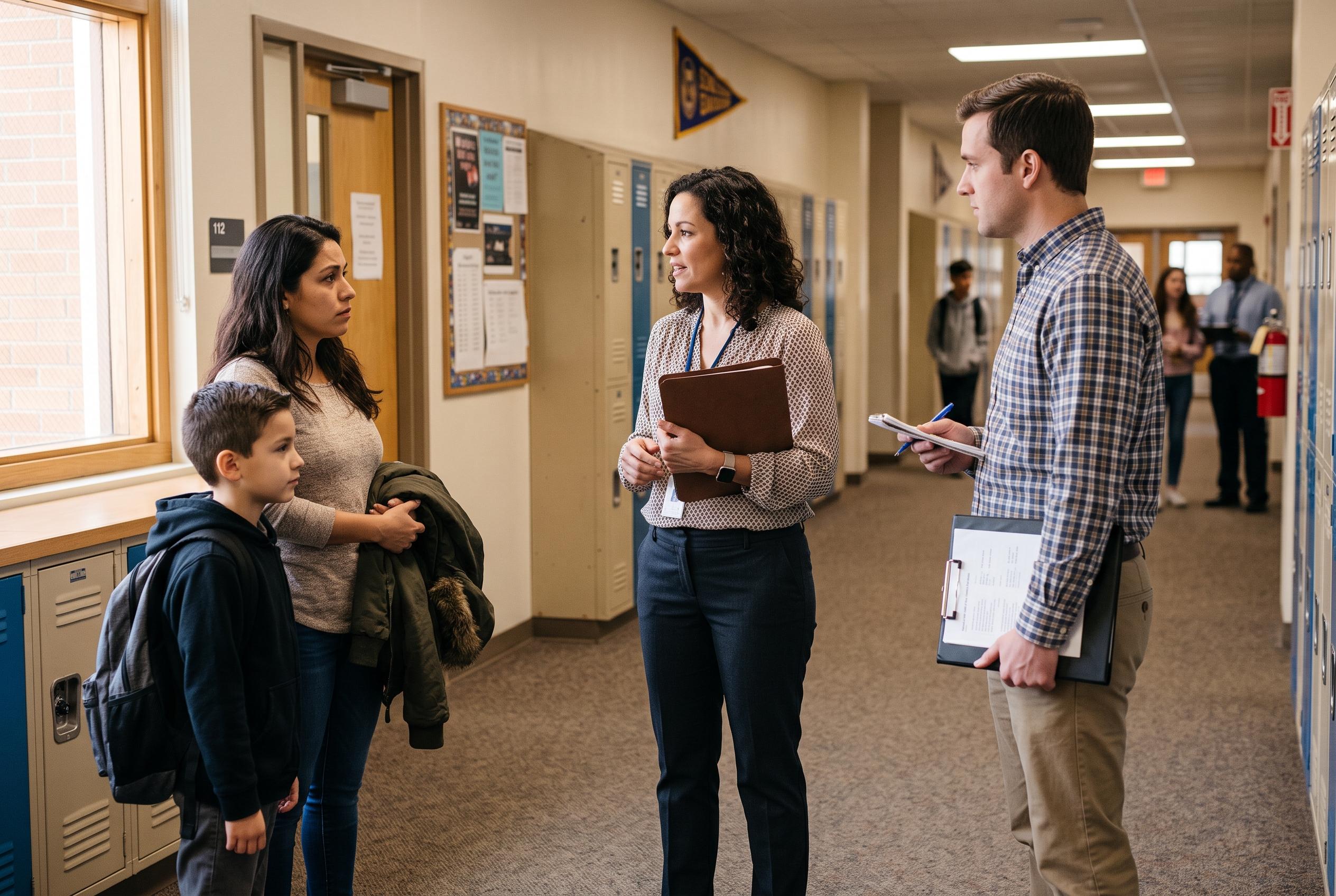

Experts highlight that addressing behavioural signs early in schools can prevent tragic outbreaks of violence, emphasising the importance of a supportive environment and active parental involvement.
The outrage over the alleged abuse at the Liceo Naval Almirante Guise should not obscure the wider question behind it: what usually happens before violence reaches a breaking point? As psychologist and communicator Carol Núñez Vélez argues, bullying rarely begins with the most serious incident. It often starts with a joke that is allowed to stand, a nickname that demeans, a humiliation rewarded by laughter or an assault recast as harmless teasing.
That process becomes dangerous when the surrounding group stops challenging it. The real problem is not only the person who intimidates or attacks, but also the classmates who watch, laugh, film or forward what they see. In school settings, the need to belong can be so strong that some teenagers would rather conform to the group than oppose it. The American Psychological Association says bullying involves repeated aggression and a power imbalance, which is why isolated conflict should not be confused with a pattern of abuse.
Minimising the behaviour is part of the problem. Phrases such as “boys will be boys” or suggestions that children must simply learn to defend themselves can blur the line between ordinary adolescent friction and sustained humiliation. When adults treat those situations as interchangeable, they may teach young people that certain forms of cruelty are part of growing up. Research cited by StopBullying.gov shows that bullying can have serious psychological, physical and academic consequences, including anxiety, depression, sleep disruption, headaches and loss of interest in activities once enjoyed.
That is why schools cannot wait for a major incident before acting. According to guidance and research from StopBullying.gov and the National Academies, effective prevention depends on the wider climate of a school, not only on punishment after the fact. A supportive environment, strong relationships and social-emotional learning programmes can help students build self-awareness, empathy and conflict skills. In other words, prevention is not an emergency response; it is a daily culture.
Parents also have a role that cannot be handed over entirely to teachers. Knowing their children’s friendships, noticing changes in mood or attendance, and talking openly about how they treat others are all part of prevention. Adolescence makes asking for help especially difficult, because fear of rejection can be as powerful as fear of harm. For that reason, saying “tell me anything” is not enough unless children already trust that they will be listened to without blame, ridicule or automatic dismissal.
The lesson from this case is simple, if uncomfortable. Violence in schools is usually visible long before it becomes undeniable. A safer community is not one where conflict never appears, but one where adults and students recognise the warning signs early enough to interrupt them.
Disclaimer: This content is for informational purposes only and is not intended to be a substitute for professional medical judgment, advice, diagnosis, or treatment.



