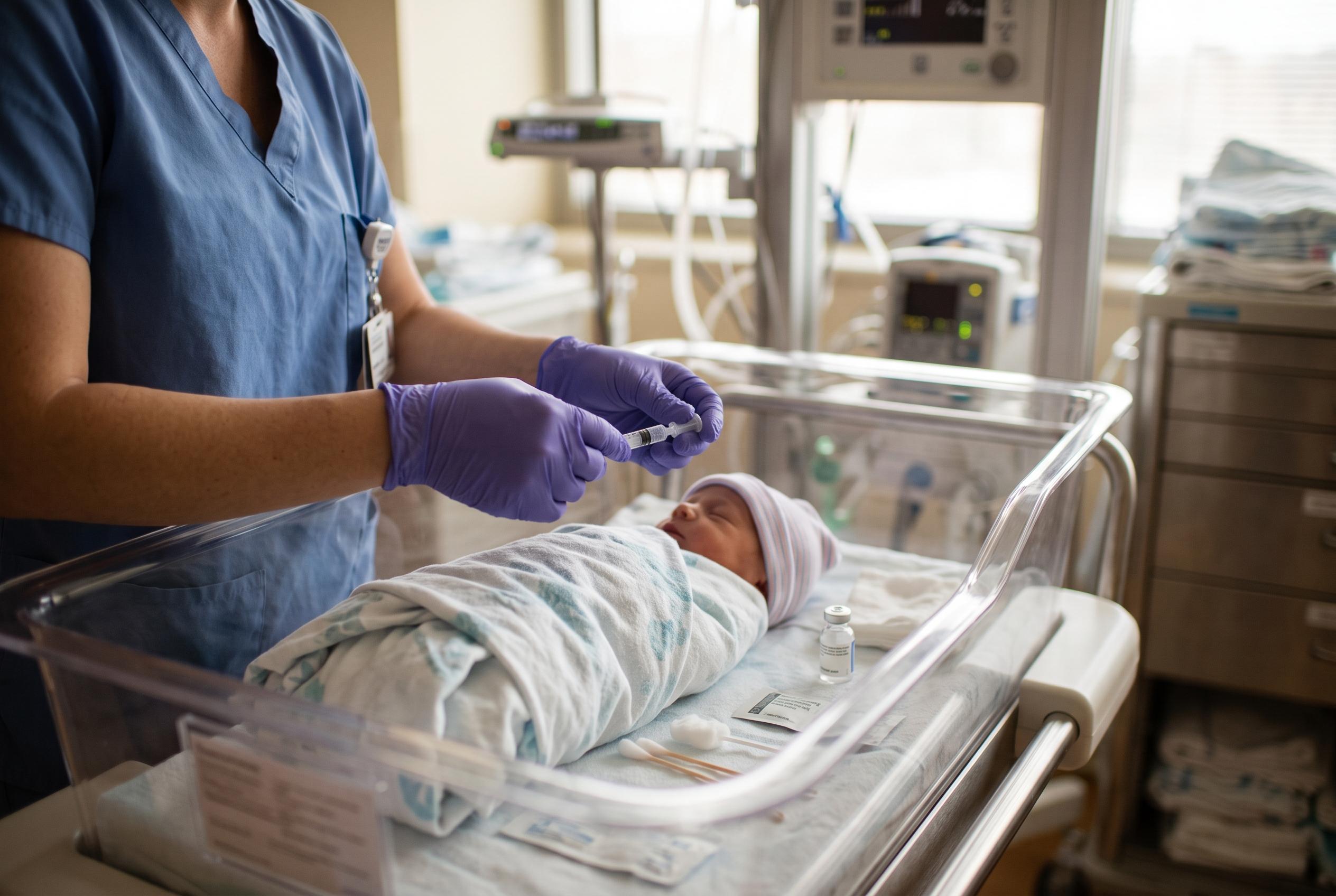

A landmark study finds that a single dose of dextrose gel given to at-risk newborns does not significantly reduce later neurocognitive problems, raising questions about its routine use for hypoglycaemia prevention.
A single preventative dose of dextrose gel given to newborns at risk of transitional hypoglycaemia appears to offer little or no protection against later neurocognitive problems, according to a study published in JAMA Pediatrics.
The follow-up analysis drew on the Hypoglycaemia Prevention With Oral Dextrose trial, or hPOD, which enrolled babies born at nine hospitals in New Zealand. The trial included late pre-term and term infants who had one or more risk factors for low blood sugar after birth, such as maternal diabetes, being born small or large for gestational age, pre-term delivery or low birth weight.
Researchers followed children to early school age, largely assessing them at their schools. Among 1,067 eligible children, neurocognitive impairment was broadly similar in the two groups: 59% in the dextrose gel arm and 57% in the placebo arm. That difference was not statistically meaningful, suggesting the treatment did not change the overall risk of later impairment.
The findings were less reassuring on some measures of psychosocial health. Children who had received dextrose gel were more likely to be reported as having impaired psychosocial function and emotional or behavioural difficulties than those given placebo. Other outcomes were similar between the groups, and the authors said the results do not support routine use of prophylactic dextrose gel to prevent transitional neonatal hypoglycaemia.
The new school-age results build on earlier follow-up from the same trial, which also failed to show a clear neurodevelopmental benefit at two years of age and raised a signal of greater motor delay in the dextrose gel group. Taken together, the evidence suggests that while the treatment remains simple and infant-friendly, it may not deliver the long-term developmental gains hoped for when it is given preventatively shortly after birth.
Disclaimer: This content is for informational purposes only and is not intended to be a substitute for professional medical judgment, advice, diagnosis, or treatment.