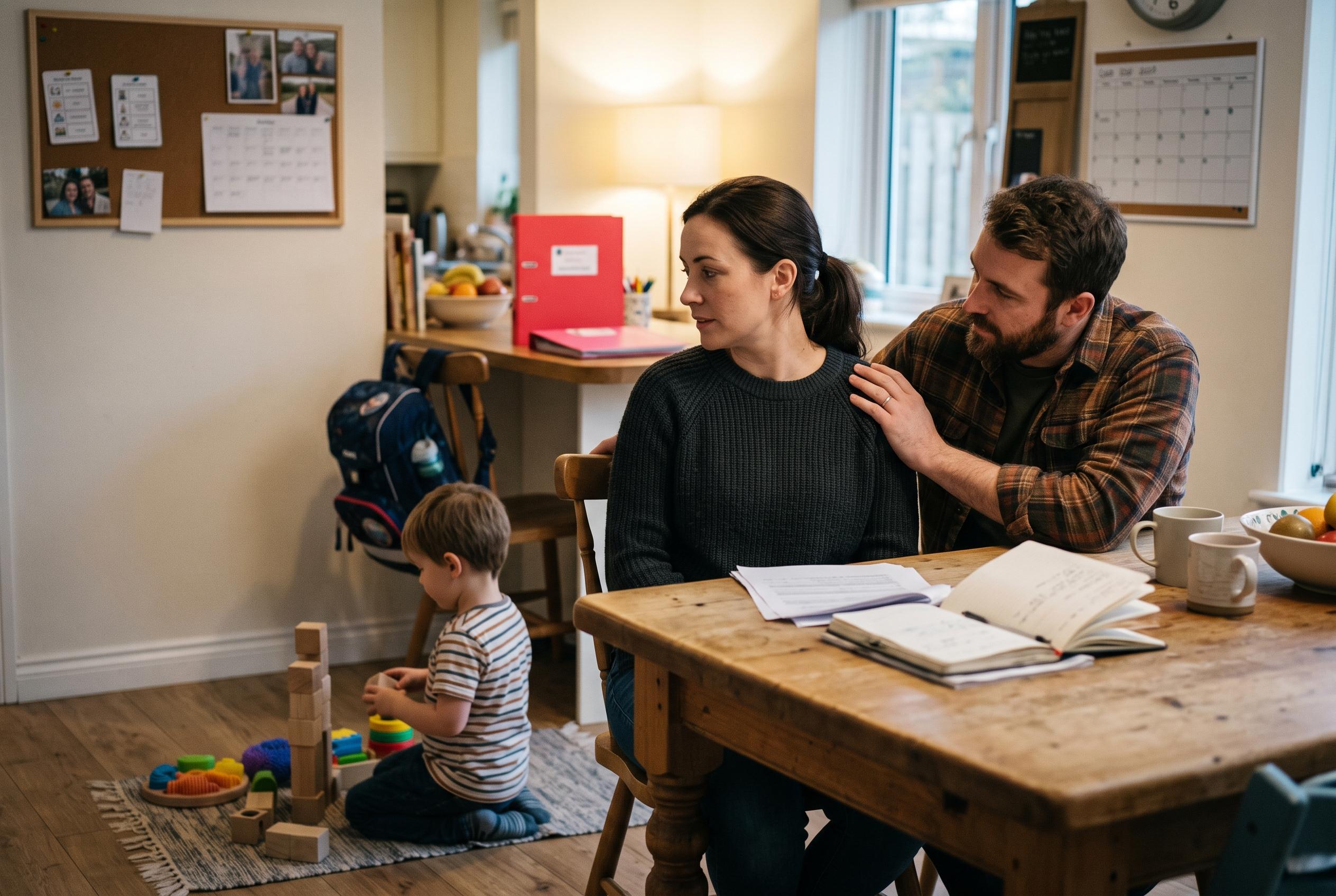

A new University of Kentucky study reveals that while parents of autistic children face heightened stress, they simultaneously develop notable resilience, aided by routine problem-solving and family support. Experts urge schools and services to provide concrete aid alongside encouragement to sustain this strength.
Families raising autistic children often carry heavier day-to-day stress, but a new University of Kentucky study suggests that strain may coexist with a notable strength. Writing in the journal Autism, Amanda Duncan and Collin Shepley found that parents of autistic children reported higher stress levels than other families, yet they also showed higher resilience when compared with households facing similar pressures. That resilience, the researchers said, shows up in ordinary routines such as problem-solving, adjusting plans and keeping family life moving when the day unravels.
The study analysed nationwide data from the National Survey of Children’s Health, drawing on responses from more than 100,000 U.S. families after the pandemic. The researchers said that gave them a broader picture than many earlier studies, which were often smaller or more local. Their findings add to previous research showing that family resilience is a real and measurable factor in autism households, not just a feel-good label, and that communication, connectedness and problem-solving can help families absorb repeated stress.
Duncan said the point is not that stress somehow becomes good for families, but that many parents develop coping skills through repetition. A difficult morning, a therapy appointment, a school meeting or an overwhelming trip to the store can become another chance to adapt. Over time, that process can build confidence, patience and stronger family teamwork. At the same time, the researchers warned against turning resilience into an excuse to expect parents to cope without help.
That caution is important because the practical burdens can be relentless. Families may be juggling child care, insurance calls, sleep problems, sensory needs and school advocacy all at once. Duncan said a parent may look composed because they have built detailed routines and backup plans, but that does not mean the load is light. The study argues that schools, clinicians and service providers should pair encouragement with concrete support, including respite care, affordable services and genuine collaboration with parents.
The paper also fits with earlier research suggesting that family support, communication and access to resources can shape how well parents manage stress. For caregivers, the message is less about celebrating toughness than recognising what is already happening inside many homes: daily acts of adjustment, planning and persistence that help families hold together even when life feels messy.
Disclaimer: This content is for informational purposes only and is not intended to be a substitute for professional medical judgment, advice, diagnosis, or treatment.