


Selecting the ideal LEGO and DUPLO sets can support your child’s growth from grasping to independent building, with practical advice for parents on age-appropriate toys and fostering imagination.
For families with toddlers and preschoolers, LEGO and DUPLO can be among the most useful toys on the shelf. The appeal is simple: they start as an easy way to practise grasping and stacking, then grow into a more demanding building system that still leaves room for imagination. As LEGO explains, the two systems are designed to work together in limited ways, with larger LEGO bricks fitting best on DUPLO pieces that have hollow studs, although DUPLO figures and LEGO minifigures do not interchange. That makes early purchases less likely to be wasted as children get older.
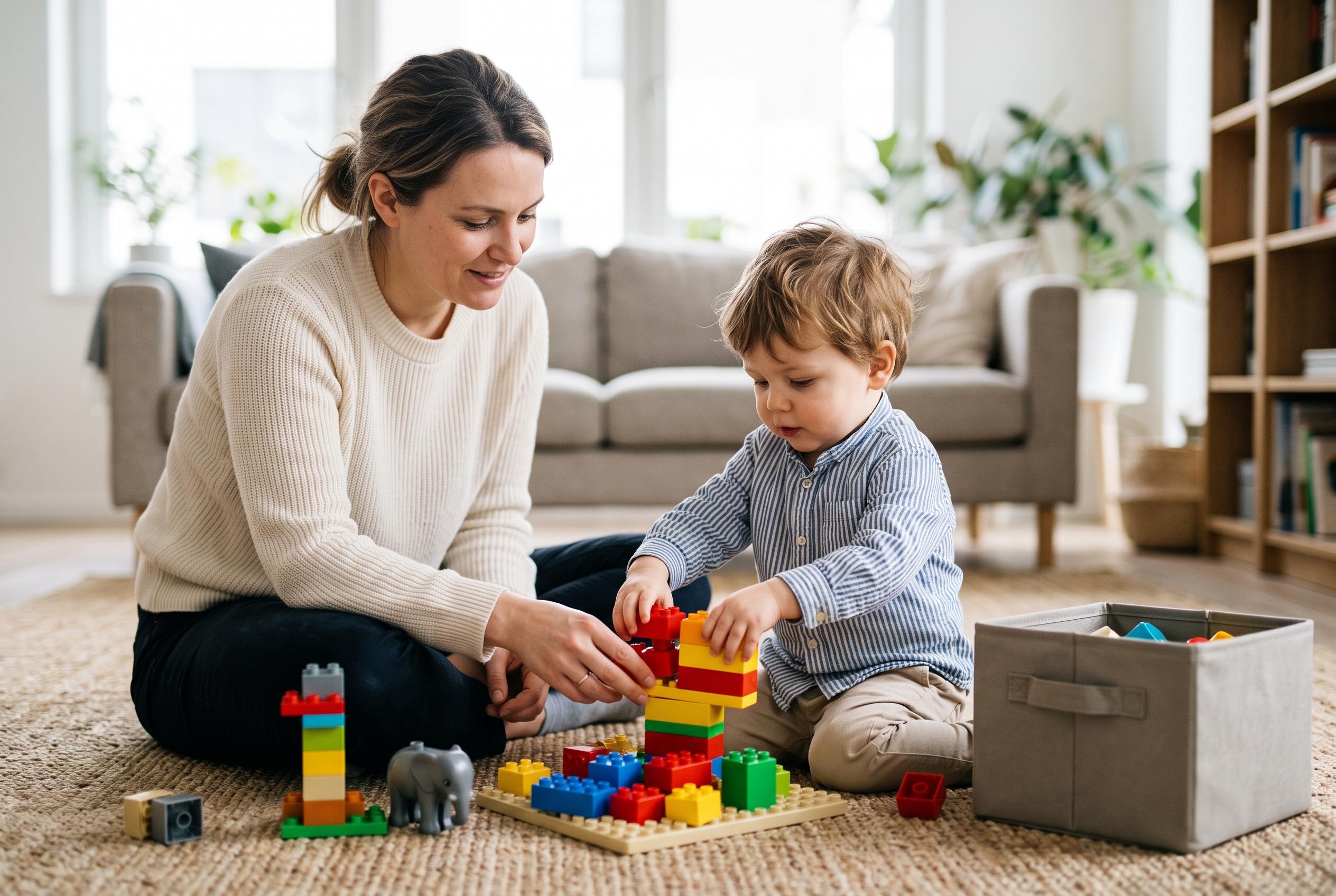
For children around 18 months to 3 years old, a basic DUPLO brick box is the smartest starting point. A set with bricks, wheel bases and a few figures gives a child enough variety to build cars, towers and simple scenes without having to follow a fixed model. From there, themed sets such as a fire truck or construction vehicles add pretend play once the build is finished. For families who already own big-brick toys from other brands, the article’s advice to check compatibility is sensible, but the safest approach is to supervise closely and remove any small pieces that could pose a choking risk.
The transition to regular LEGO usually comes later, often around age 4 or 5, when children can manage smaller bricks and are less likely to mouth toys. At that stage, a bridge set such as LEGO Bluey Playground can help because it uses a starter brick, simple instructions and a small build in each bag, which reduces frustration. The point is not just to complete a model once, but to turn it into something a child can play with afterwards.
For ages 4 to 6, a classic box of mixed bricks is often more valuable than a string of themed kits. The article makes a strong case for a medium creative brick box because loose pieces encourage open-ended play, while the included wheels make it easier for children to build things that move. That kind of set also suits quiet time, since there is no single correct outcome and children can build, dismantle and rebuild without adult intervention.
Once children are confident with basic builds, LEGO Creator 3-in-1 sets offer a useful next step. Each box includes instructions for three different models, so children get repeated practice with structured building before moving on to their own inventions. The space shuttle and magical unicorn examples fit that pattern well, giving families one box with several play options.
The broader lesson is that a small number of well-chosen sets can cover years of play. A DUPLO bin for toddlers, a bridge set for the early LEGO stage and one good box of loose bricks may be enough for many families, especially when the goal is to support both guided building and independent imagination. The article’s final point is practical: keep DUPLO even after children move on, because the two systems can still be used together.
Disclaimer: This content is for informational purposes only and is not intended to be a substitute for professional medical judgment, advice, diagnosis, or treatment.



