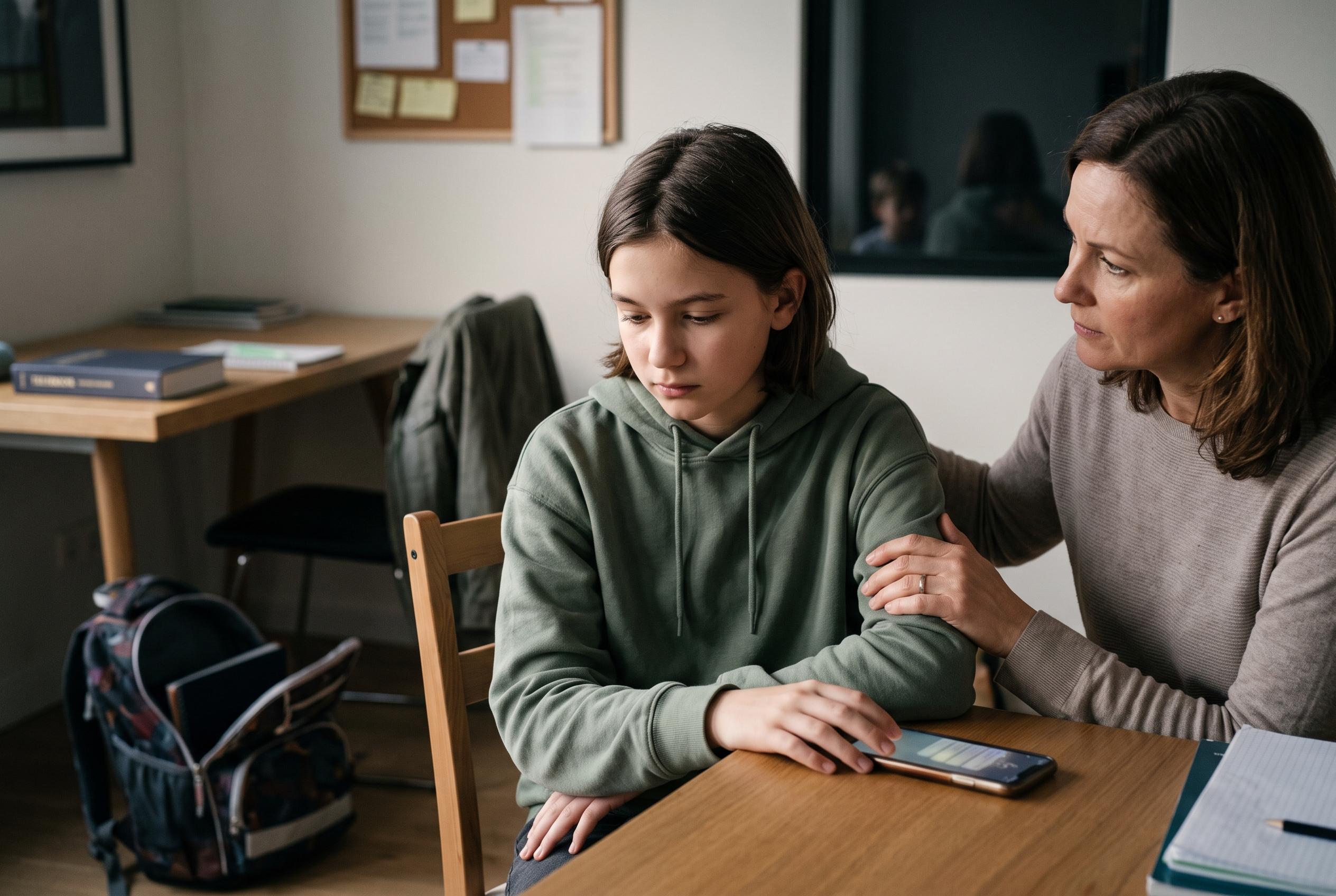

UNICEF reports increased concerns about various forms of bullying, with social media playing a significant role in making bullying more persistent and visible among children aged 10 to 14. Schools and parents are urged to adopt proactive strategies to combat this concerning trend.
Bullying can take many forms: exclusion, gossip and online harassment are now common among children, and UNICEF says it remains one of the biggest worries for young people. In a youth advisory presented in September 2024, nearly 1,100 under-18s said the issue was among their top concerns, with 38% naming bullying in their surroundings. The fear is well founded: children who are targeted can struggle at school, lose confidence and feel increasingly isolated, with effects that may last into adulthood.
Mariëlle Balledux, an expert on growing up and parenting at the Dutch Youth Institute, says the shift to social media has made bullying harder to escape. What once ended at the school gate can now continue in group chats, on video platforms and in comment sections long after lessons have finished. That makes the behaviour more relentless, and often more visible to peers who may be tempted to join in or stay silent.
Bullying is usually a group phenomenon, not just the work of one child. The Dutch Youth Institute says children are more likely to engage in exclusion and intimidation as they begin to compare themselves with others, with a clear peak between the ages of 10 and 14, when social standing and group approval matter more. Some children bully to gain status, while others simply copy what they see happening around them; in some cases, children who are being bullied elsewhere may lash out at others. The institute also stresses that bystanders matter: a class that rewards cruelty can sustain it, while one that rejects it can help stop it.
That is why schools are being urged to tackle the problem early and collectively. Stichting School & Veiligheid marks its annual anti-bullying week in September to put the issue back on the agenda at the start of the school year, while the Dutch government says schools must provide a socially safe environment and address both offline and online bullying. Guidance from the Dutch Youth Institute also points to practical steps such as building positive group norms, strengthening teacher-student relationships and working closely with parents.
For parents, the advice is to respond calmly but firmly. If a child is involved in bullying, the first step is to say clearly that the behaviour is unacceptable, without turning the conversation into a shouting match or moral lecture, Balledux says. She recommends asking why the child acted that way and then, just as importantly, how they think the other child felt. Parents should also keep the door open: whether a child is bullying or being bullied, they need to know they can come home and speak honestly, because isolation can deepen distress and lead to more serious mental health problems.
Disclaimer: This content is for informational purposes only and is not intended to be a substitute for professional medical judgment, advice, diagnosis, or treatment.