

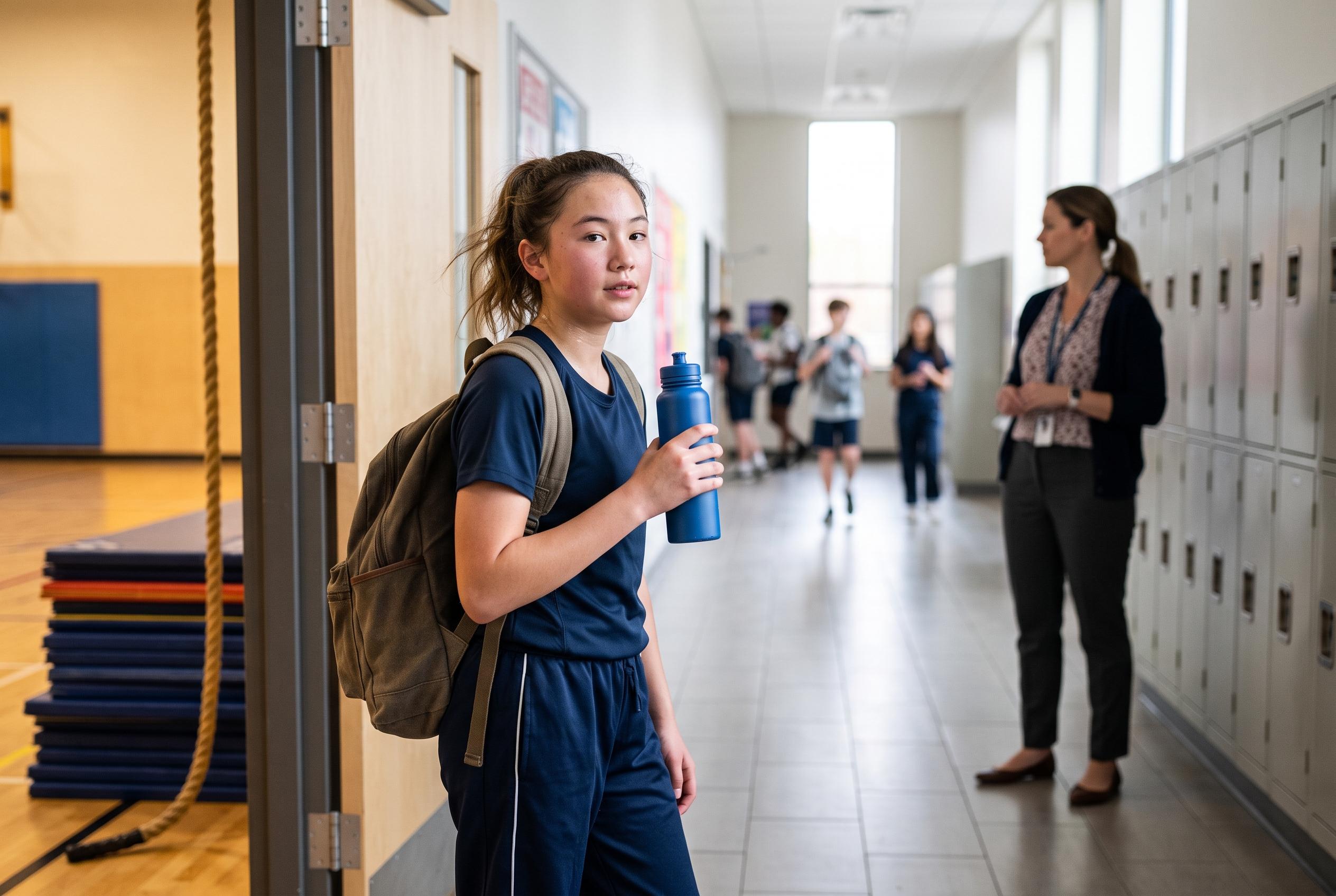

Recent studies show that incorporating regular exercise into students’ routines enhances attention, memory, and stress management, significantly improving academic performance and overall wellbeing.
Exercise can do more for students than support physical health alone. Research summarised by the National Center for Biotechnology Information says regular activity is linked with stronger attention, memory and executive function, all of which matter for learning and academic performance. In practice, that can help pupils and university students manage new material, plan tasks and solve problems more effectively.
The mental benefits are especially useful during busy periods. According to Portland Community College, exercise can help with thinking, learning and recall, while also easing stress. The same source notes that sleep loss can make people feel fatigued, irritable and less able to concentrate, which helps explain why exercise and good sleep habits often work best together rather than in isolation.
The University of Sussex says even low to moderate activity can lower stress hormones, improve mood, lift energy and sharpen concentration. That matters for students facing deadlines and exams, when mental fatigue can build quickly. Rather than treating exercise as time taken away from study, many schools and universities now frame it as part of the conditions that make focused work possible.
For students with limited time or space, the most effective routine is often the one they can maintain. Mirafit recommends home-friendly options such as dumbbells, kettlebells, a folding bench and a weighted vest, alongside compound movements like squats and shoulder presses, which train several muscle groups at once. The broader lesson from the research is simple: consistent movement may help students feel better, sleep better and, over time, perform better.
Disclaimer: This content is for informational purposes only and is not intended to be a substitute for professional medical judgment, advice, diagnosis, or treatment.



