

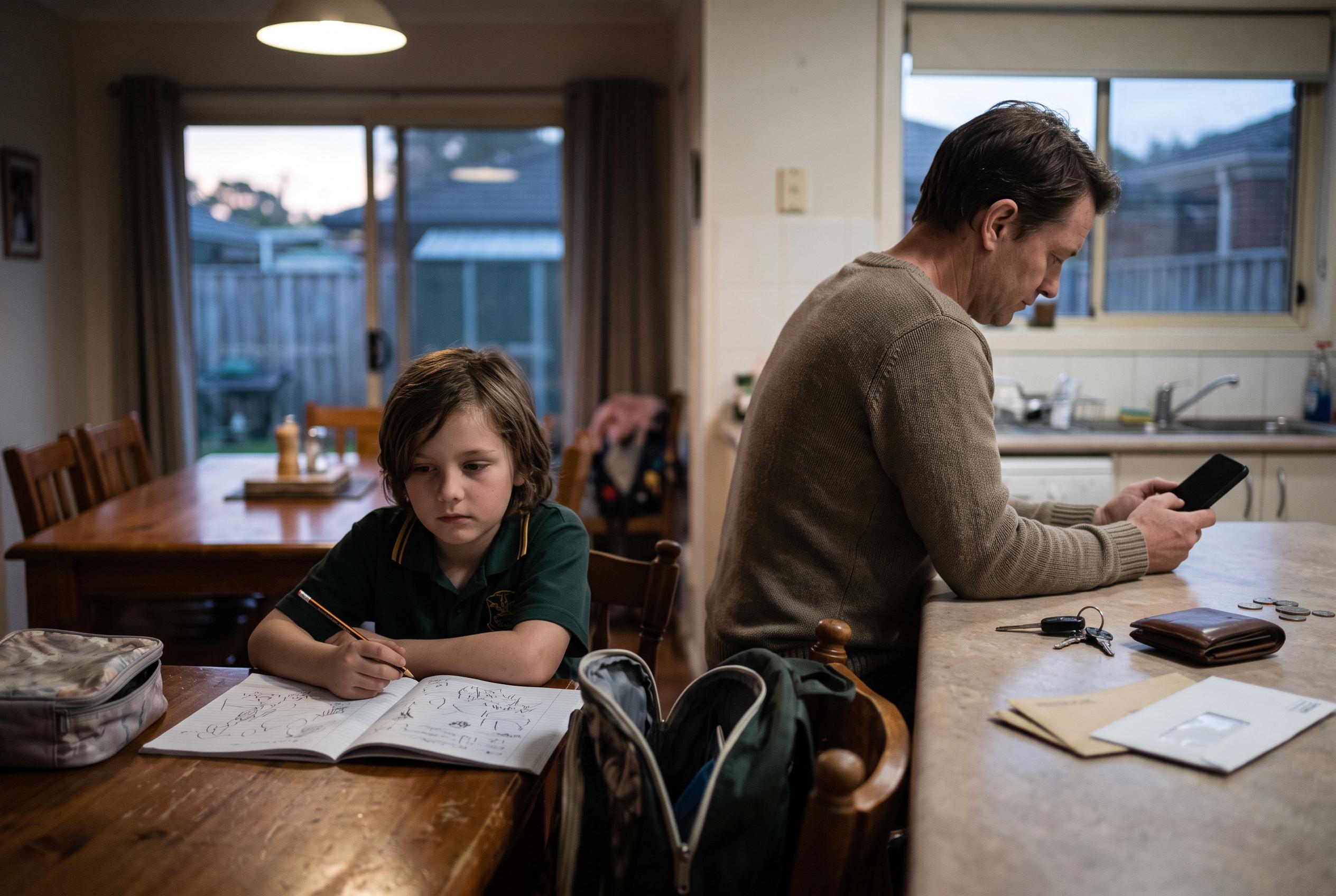

New research from the Australian National University highlights the far-reaching impacts of risky parental gambling, revealing links to poorer health, emotional wellbeing and school engagement among children, and urging a shift towards viewing gambling harm as a public health issue.
Australian research has added to evidence that gambling harm can reach well beyond the person placing the bets, with new findings linking risky parental gambling to poorer health, wellbeing and school engagement among children. The Australian National University study, backed by the Australian Capital Territory’s Gambling Harm Prevention and Mitigation Fund, drew on two large national population studies and interviews with gambling support, child and family service providers in the ACT.
According to ANU, the results were consistent across the datasets: children in households where a parent gambled riskily were more likely to face weaker physical functioning, poorer mental health and emotional wellbeing, and lower engagement at school. Earlier work published in Applied Research in Quality of Life found similar associations between parental gambling problems and children’s poorer health, anxiety, low mood symptoms, and behavioural and emotional difficulties.
Associate Professor Aino Suomi, who led the research at ANU’s Centre for Gambling Research, said children are often overlooked when gambling harm is discussed. She argued that they are not simply “affected others”, but depend directly on the stability of home life and parenting. The study also found that financial strain made the effects worse, while stronger parent-child relationships and positive parenting helped protect children.
The research team said the pathway to harm was not only financial. Gambling-related stress, distraction and relationship strain could alter parenting behaviour and destabilise the family environment, which in turn affected children’s outcomes. That finding aligns with previous Australian research showing that children exposed to parental gambling can experience financial harm, neglect, abuse and wider relational and psychological problems.
The service side of the study found that gambling-related harm is often difficult for professionals to spot because shame, stigma and more visible problems such as family violence, alcohol use and mental ill health can mask it. Even so, the researchers said the ACT already has a strong workforce and does not necessarily need a separate service system. Instead, they recommended more routine questions about gambling in family assessments, clearer guidance for practitioners and better links between gambling, child and family and financial counselling services.
ACT minister Marisa Paterson said the findings support treating gambling harm as a public health issue rather than only an individual behaviour problem. She said the research could help strengthen prevention, earlier identification and support for families, and ensure children are recognised as affected in their own right.
Disclaimer: This content is for informational purposes only and is not intended to be a substitute for professional medical judgment, advice, diagnosis, or treatment.



