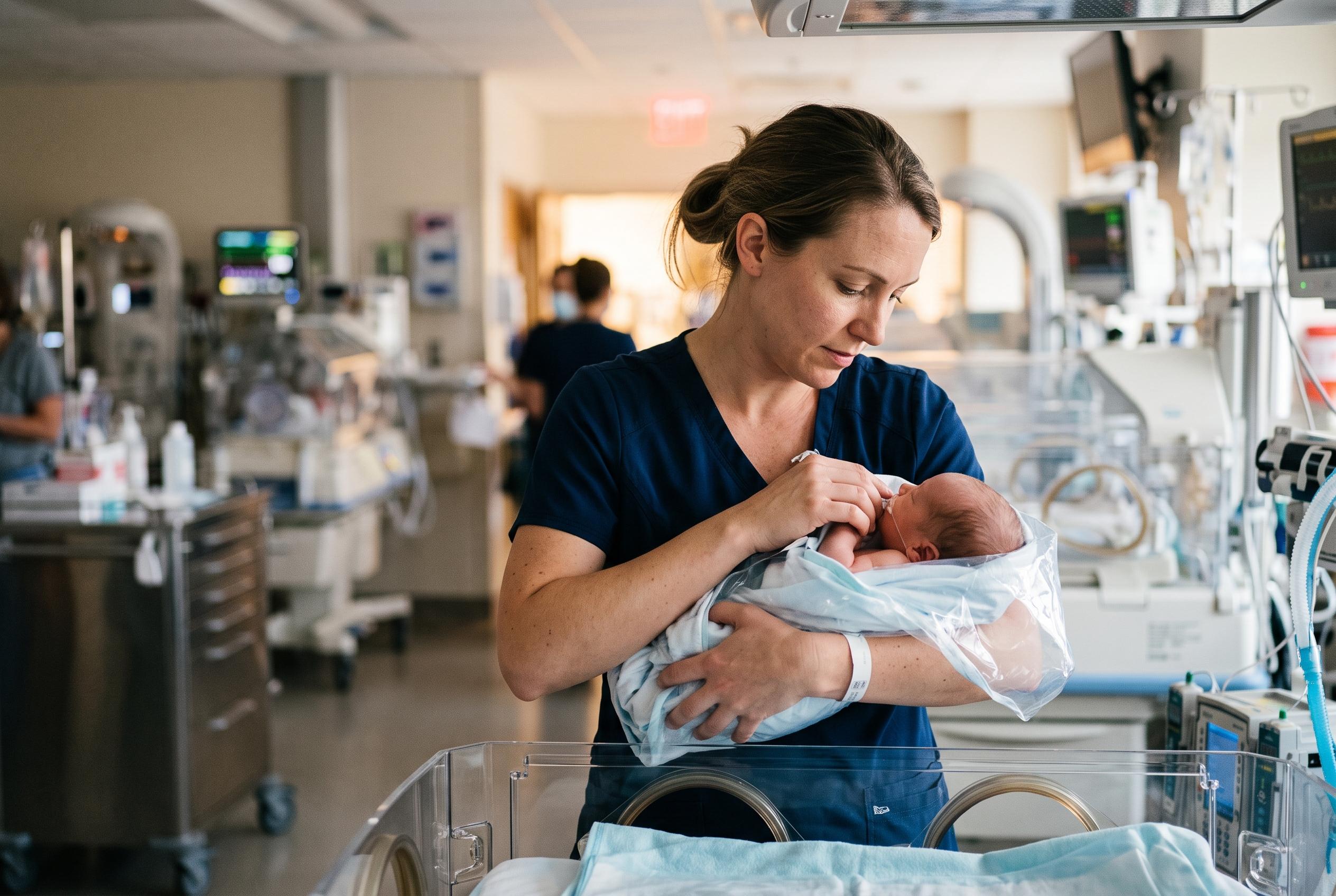

A new study underscores the importance of early and repeated lactation consultant visits in neonatal intensive care units, revealing they nearly ninefold boost the chances of babies leaving hospital on their mother’s milk and highlighting persistent health equity disparities.
A new study suggests that the earliest days after birth may be decisive for whether a baby in neonatal intensive care leaves hospital receiving the mother’s own milk. Researchers at the Medical College of Wisconsin found that infants whose mothers had four to six lactation consultant visits in the first 14 days were far more likely to be discharged on maternal milk than those who received less support. The finding adds a concrete measure to a long-recognised problem in NICUs: mothers of sick or premature babies often need help establishing milk supply just when they are least able to rely on normal breastfeeding routines. According to the Journal of Perinatology study, the association remained strong even after adjustment for a wide range of maternal and infant factors.
The result fits with earlier research showing that structured lactation support can improve milk-feeding rates in neonatal units. Studies in NICUs have found gains when hospitals adopt proactive lactation care models, assign dedicated lactation consultants, and put programmes in place to encourage early pumping and frequent support. In one proactive-care study, the share of infants receiving any mother’s milk rose from 74.3% to 80.2%. Other NICU programmes have also reported higher use of breast milk during the first week of life and better feeding outcomes at discharge.
The latest paper is notable not just for its size but for the strength of the association it found. An adjusted odds ratio of 8.93 for babies whose mothers received four to six consultations within two weeks is unusually large for a care intervention, even allowing for the limits of a retrospective study. The authors argue that the first two postpartum weeks appear to be a critical window for establishing supply, particularly for mothers pumping for a hospitalised baby rather than nursing directly at the breast. Their analysis points to timing as well as intensity: waiting too long for the first consultation may mean missing the period when milk production is most easily established.
The study also highlights persistent inequities. After adjustment, infants born to White mothers, first-time mothers, partnered mothers, those with private insurance and those from higher-income households were more likely to go home receiving mother’s milk. That mirrors a broader pattern seen in neonatal care, where access to lactation support is often shaped by insurance, work demands, transport, family responsibilities and other structural barriers rather than by motivation alone. For hospitals, the practical lesson is that lactation care cannot be treated as an optional extra if the aim is to reduce gaps in infant nutrition and later health outcomes.
There are limits to the findings. The research comes from a single academic centre and cannot prove cause and effect, while mothers who attended more consultations may also have differed in ways the study could not fully measure. Even so, the message is clear enough to matter for policy and staffing: NICUs need enough lactation support to reach families early and repeatedly, not just when problems become obvious. As earlier NICU studies have shown, dedicated lactation services can lift the use of human milk; this new work suggests that doing so quickly, and more than once, may be what makes the biggest difference.
Disclaimer: This content is for informational purposes only and is not intended to be a substitute for professional medical judgment, advice, diagnosis, or treatment.