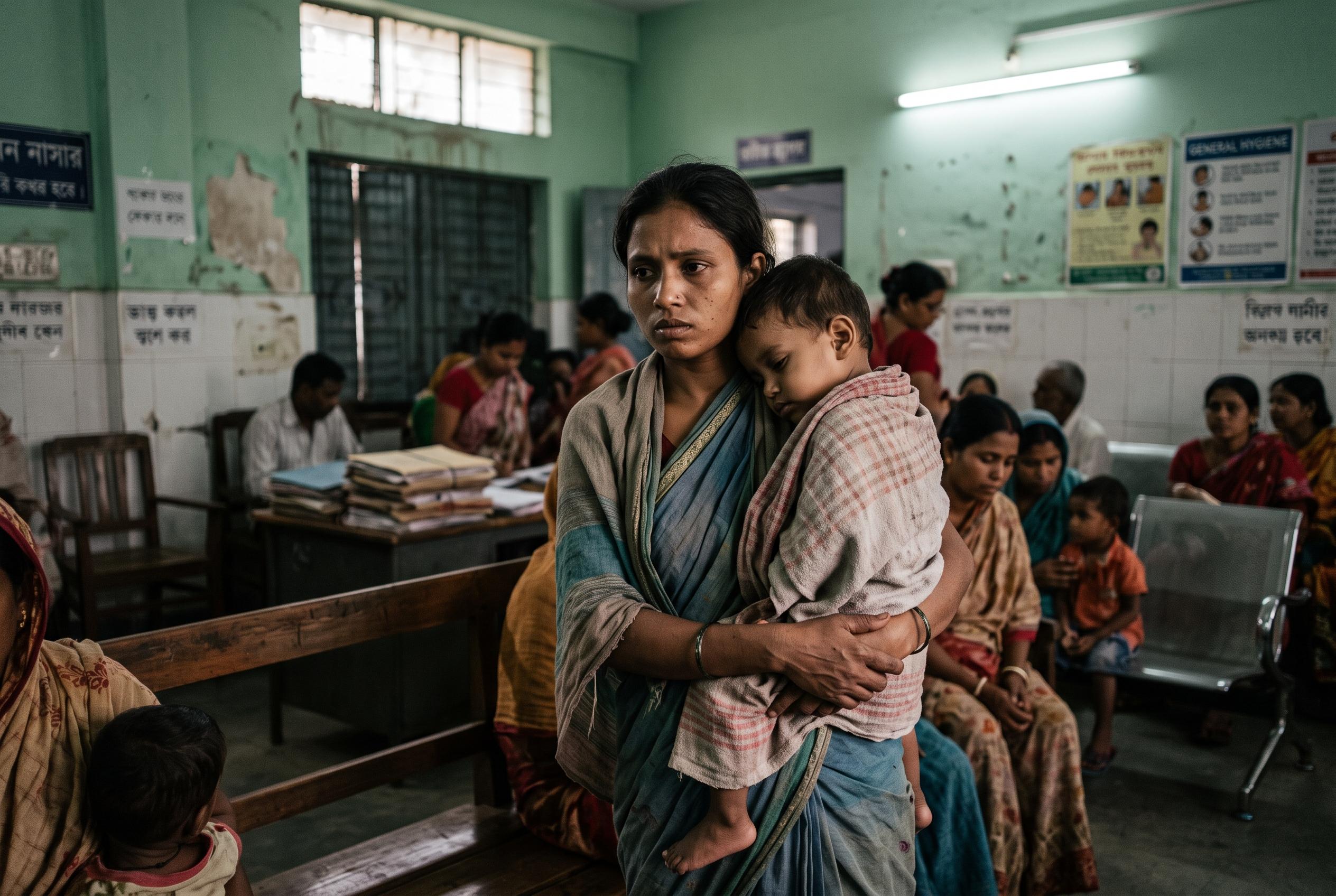

Bangladesh faces a severe measles outbreak with over 1,000 deaths and nearly 180,000 suspected cases, as vaccine supply disruptions hinder containment efforts amid widespread transmission across the country.
Bangladesh’s measles outbreak has now been linked to 1,057 confirmed and suspected deaths this year, after four more children died in the past 24 hours, according to the Directorate General of Health Services. Health officials said the latest figures include 101 confirmed deaths and 956 suspected deaths, underscoring how quickly the crisis has deepened. Officials also reported 1,148 new suspected cases in a single day, taking the total to 179,814, while laboratory-confirmed cases reached 20,562.
The scale of the outbreak has made Bangladesh one of the countries most affected by measles this year. The World Health Organization said in April that transmission had spread to 58 of the country’s 64 districts, with children under five accounting for most reported cases. WHO later said the government launched a phased measles-rubella vaccination campaign for children aged six to 59 months, alongside stronger surveillance, laboratory support and hospital preparedness.
Even so, the outbreak has continued to widen. The health ministry has said 158,589 patients with measles-like symptoms have been hospitalised since March 15, and 152,225 have recovered. Earlier WHO reporting put the case fatality rate at 1.2% by mid-April, a reminder that measles can become deadly quickly when immunity gaps are large and health systems are under strain.
A report from the Canada-based Global Centre for Democratic Governance said the outbreak was not an unforeseen event from an epidemiological standpoint. It said the crisis was driven by vaccine supply disruptions, missed routine immunisations, cancelled supplementary vaccination drives and delays in procurement, and added that UNICEF had repeatedly warned officials about the risk of shortages.
Disclaimer: This content is for informational purposes only and is not intended to be a substitute for professional medical judgment, advice, diagnosis, or treatment.