
While antenatal care and institutional deliveries in India have improved, a concerning decline in exclusive breastfeeding highlights a disconnect between pregnancy support and post-delivery infant care, with implications for child health and maternal wellbeing.
India has made clear gains in maternal healthcare, but the hand-off from childbirth to early infant feeding remains weak. According to the National Family Health Survey-6, antenatal care reached 95.9% of pregnant women in 2023-24, while institutional births rose to 90.6%, up from 88.6% in the previous survey period. The same data suggest the system is still struggling to support mothers once the baby arrives, as breastfeeding outcomes have moved in the opposite direction.
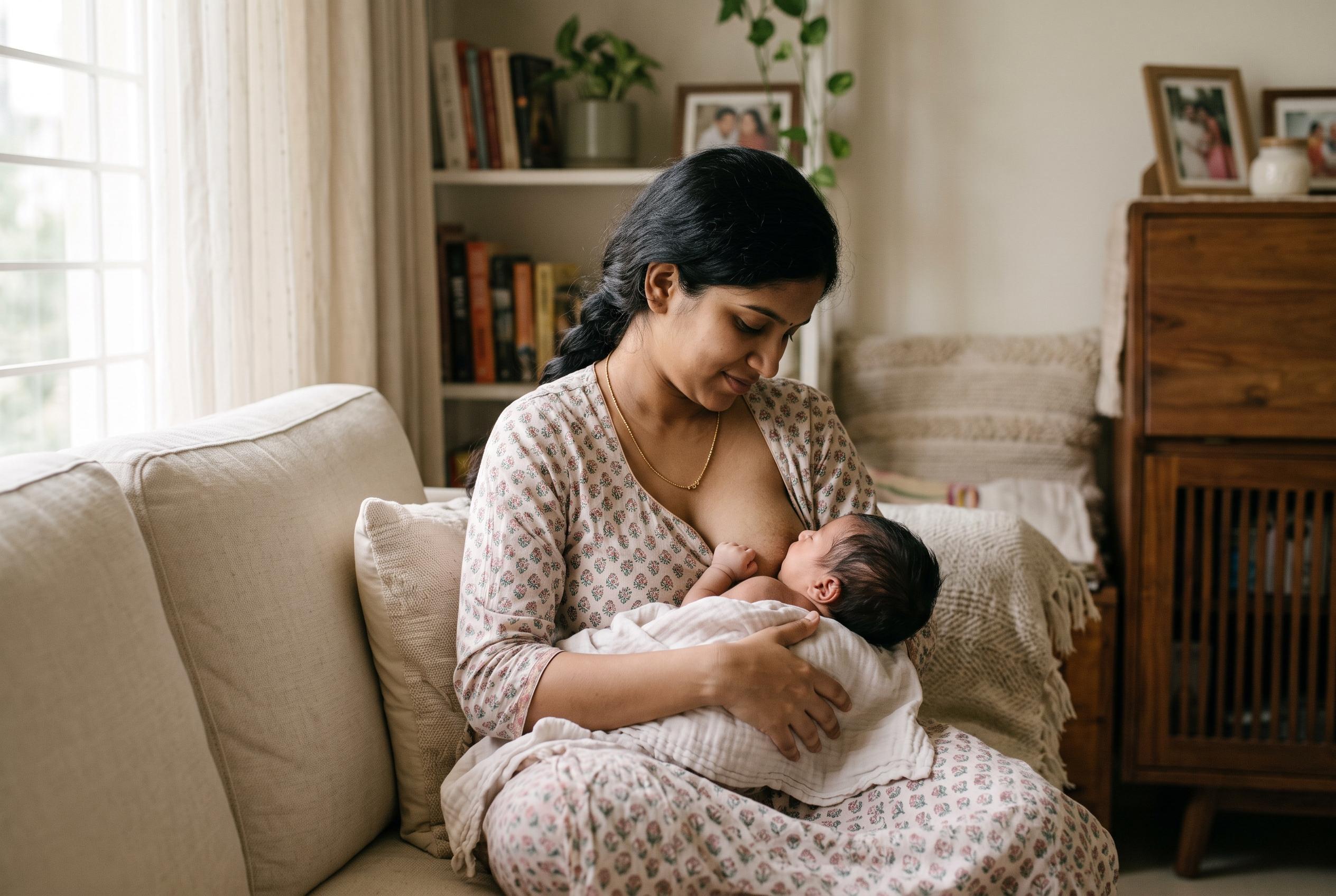
Exclusive breastfeeding for babies under six months has slipped to 55.8%, down from 63.7% in 2019-21. The survey also shows an improvement at the very start of life, with 50.1% of babies now breastfed within an hour of birth, compared with 41.8% earlier. Health specialists say that points to a growing gap between supervised pregnancy care and the practical support families need after delivery.
That gap matters. A 2023 review in The Lancet found exclusive breastfeeding helps protect infants from diarrhoeal illness, respiratory infections and hospitalisation, while also supporting growth and development. Divya Malik Dhawan, a lactation expert at Apollo Cradle in New Delhi, says breastfeeding is also important for the mother, helping the uterus contract after birth and reducing bleeding. Longer breastfeeding is linked with lower risks of breast and ovarian cancers, type 2 diabetes and cardiovascular disease.
Doctors say the drop has less to do with biology than with pressure, fatigue and poor support. Preeti Prabhakar Shetty, a senior consultant obstetrician and gynaecologist, says many mothers face early formula use, delayed skin-to-skin contact, inadequate lactation counselling and the strain of returning to work. She says breastfeeding should be seen as a learned skill, not something that always happens naturally. Parimala Devi, a consultant in obstetrics and gynaecology at Kauvery Hospital in Chennai, says even when mothers have caesarean deliveries, breastfeeding can usually be established with rooming-in, skin-to-skin contact and help from trained staff. She also says breast milk remains superior to infant formula, regardless of marketing claims.
Disclaimer: This content is for informational purposes only and is not intended to be a substitute for professional medical judgment, advice, diagnosis, or treatment.