

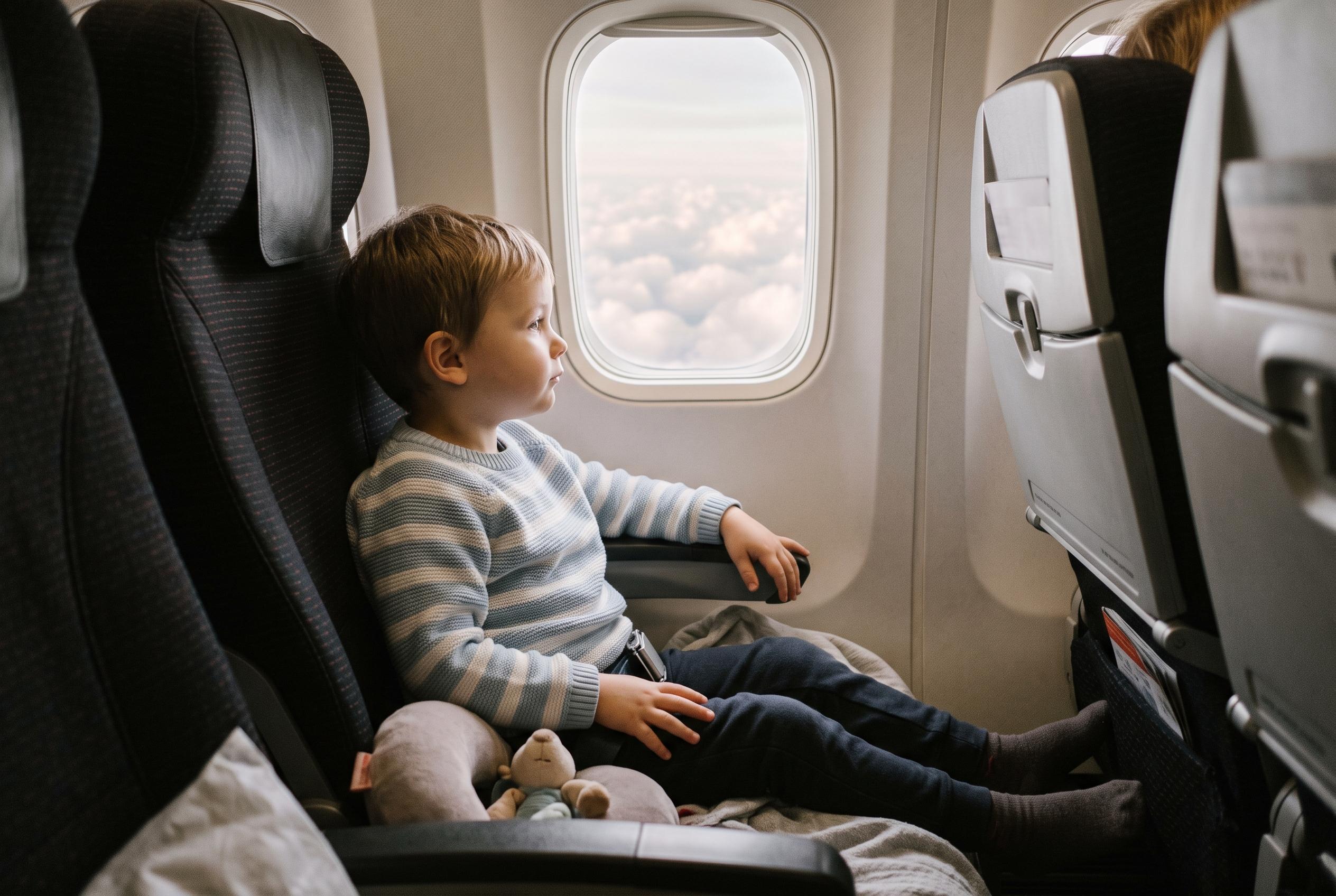

Preparation and strategic use of light exposure, routines, and cautious use of supplements can help minimise jet lag effects in children, with recent research highlighting the importance of early adaptation strategies.
Flying with children can be trying at the best of times, with tiredness, tears and restless passengers all competing for attention. Add a long-haul flight across several time zones, and the strain can continue long after landing. According to the Mayo Clinic and the Sleep Foundation, jet lag is the temporary mismatch between the body’s internal clock and local time, and it can leave travellers sleepy by day and wide awake when they should be resting.
For children, the experience is broadly similar to that of adults: trouble settling, broken sleep, irritability, poor appetite, nausea and a general sense of fatigue. Cleveland Clinic says some children may cope better than adults, though the evidence is limited. Researchers think that may be linked to higher melatonin production in younger people, which can make it easier to adapt to a new schedule.
Direction matters, too. Travelling east is usually harder because it effectively shortens the day, making it more difficult to fall asleep at the right local time. Flying west is often easier because staying up later is generally simpler than forcing an earlier bedtime. Medical sources agree that crossing more time zones increases the likelihood and severity of symptoms, and the effects can last for several days.
The most effective way to reduce disruption is to begin adjusting before departure, if family life allows. That can mean shifting sleep and meal times gradually in the days before travel and making sure a child has enough rest before boarding. But for many families, especially those juggling school, work and packing, a full pre-trip reset is unrealistic. Once the journey begins, the focus shifts to helping the body adapt as quickly as possible on arrival.
Daylight is the most powerful tool. The timing matters: morning light helps move the body clock earlier, while evening light pushes it later. That is why getting children outside soon after landing can help. Keeping meals and bedtime routines aligned with local time also makes a difference. A familiar sequence of bath, story and lights out can be a strong cue that sleep is coming, even when the body has not yet caught up.
Some parents turn to jet lag apps, which typically rely on the same ideas: light exposure, sleep timing, exercise and sometimes melatonin. Their usefulness depends on how much they personalise the advice to a traveller’s sleep habits and itinerary. As for melatonin supplements, sleep specialists generally advise caution, especially for children, because the wrong dose or timing can make jet lag worse. If families do use it, the Mayo Clinic recommends doing so with medical guidance.
Disclaimer: This content is for informational purposes only and is not intended to be a substitute for professional medical judgment, advice, diagnosis, or treatment.



