

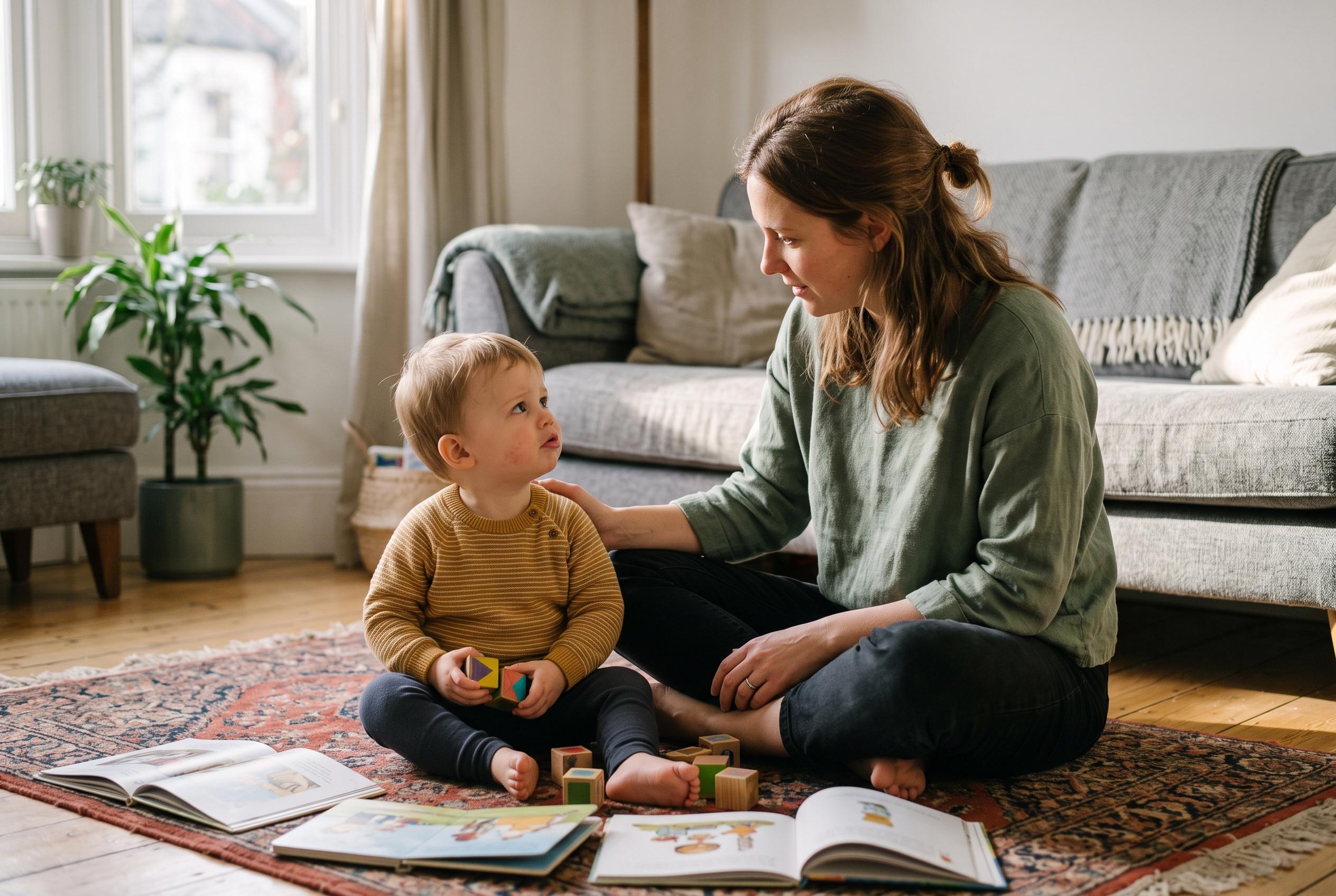

Experts emphasise that toddler tantrums are a normal part of development driven by immature brains under strain. Effective strategies include staying calm, emotion coaching, and establishing routines, which help children learn self-control and cope with big feelings.
Toddler tantrums are less a sign of bad parenting than a sign of an immature brain under strain. They often surface when a young child is hungry, tired, overstimulated or frustrated, and they are especially common during the drive for independence that comes with the toddler years. Cleveland Clinic and Mayo Clinic both note that this phase is developmentally normal, even if it can be exhausting in the moment.
The most effective response is often the least dramatic one. Stay close, keep the child safe and resist the urge to lecture while the outburst is still building. The Centres for Disease Control and Prevention recommends emotion coaching: notice what the child is feeling, name the emotion, and hold the limit on behaviour without shaming the child. In practice, that can sound like: “You’re angry because the toy was taken. It’s not okay to hit.”
Research cited by the Oregon Social Learning Centre suggests that parents who react with anger or overreaction tend to see more tantrums and more behaviour problems later on. By contrast, a calm and firm response appears to give children a model for self-control. Johns Hopkins Medicine says parents should avoid reinforcing the tantrum itself, but praise the child once they settle, which helps build the link between calm behaviour and positive attention.
Prevention also matters. Routine, enough sleep, regular meals and simple choices can reduce the chances of a meltdown. The Mayo Clinic recommends keeping expectations age-appropriate and offering small, manageable options rather than open-ended demands. That can mean asking whether a child wants the red cup or the blue cup, rather than a yes-or-no question that invites a battle.
Parents should remember that they are not aiming to stop every tantrum in real time. The longer-term goal is to teach a child how to cope with big feelings without making things worse. As the Thoughtful Parent puts it, the job is to stay calm, set limits and reconnect after the storm passes. Over time, that steady response helps toddlers learn how to regulate themselves.
Disclaimer: This content is for informational purposes only and is not intended to be a substitute for professional medical judgment, advice, diagnosis, or treatment.



