

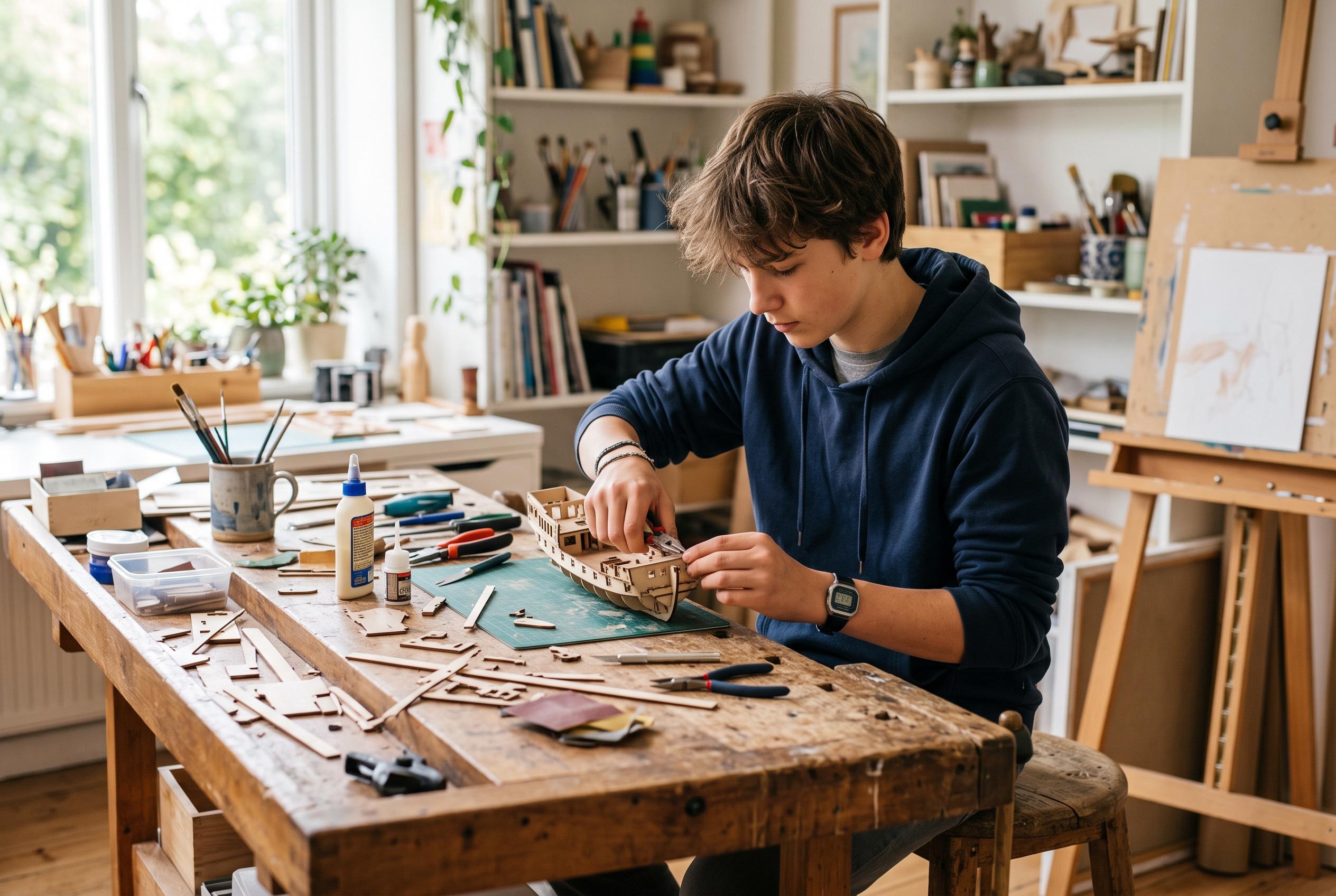

A new approach to fostering adolescent self-esteem focuses on activities that emphasise persistence, self-expression, and contribution, offering a low-pressure route to confidence for quieter teens.
Some teenagers thrive on scores, rankings and rivalries. Others do not, and that can be a strength rather than a flaw. For parents trying to support a quieter, less competitive child, confidence often grows best through activities that reward persistence, self-expression and connection instead of winning. That idea sits at the heart of a recent Raising Teens Today post, which argues that feeling capable does not have to depend on beating anyone else. The same theme appears across related guidance from youth and parenting organisations, which point to creativity, service, reflection and skill-building as especially effective ways to help adolescents feel secure in themselves.
Creative pursuits are a natural place to begin. Photography, music, dance, art, writing and theatre all give teenagers a chance to experiment, improve and develop their own voice without a scoreboard hovering over them. The Ryan Bartel Foundation says expressive arts and movement can be especially helpful for middle and secondary school pupils who may find traditional therapy uncomfortable, because they offer a safer route into confidence through action and creativity. Likewise, Hillcrest Academy notes that art, writing and cooking can provide young people with practical skills and a sense of achievement in a low-pressure setting.
Other activities build confidence by showing teenagers that they can contribute. Volunteering, whether at an animal shelter, food bank or care home, can help a young person see their value in a real-world setting. Cooking, baking and part-time work can do something similar, teaching responsibility and competence while also giving teens concrete results for their effort. Lucero Speaks and Mission Prep Healthcare both highlight service, skill-building hobbies and family or peer activities as ways to strengthen self-belief through useful experience rather than external praise.
For teenagers drawn to problem-solving or independence, hobbies such as coding, robotics, entrepreneurship and school media work can be especially powerful. These activities reward patience, experimentation and recovery from mistakes, which are central to resilience. A teen who learns to fix a buggy programme, sell a handmade product or produce a page for the school newspaper is not just gaining a pastime; they are learning that effort can lead to mastery. That lesson often matters more than immediate success.
The list also includes clubs and interests that can help less outspoken teenagers find their place. Travel clubs, book groups, gardening, chess, cycling and animal-care activities can give them a sense of belonging without forcing them into competition. The FORT, a programme established by the Ryan Bartel Foundation, is built on that same principle: confidence can grow through shared experiences, movement and nature-based activities, particularly for young people dealing with anxiety, stress or sadness. In Parnthub’s confidence guide, journalling and personal-strength exercises serve a similar purpose by helping teens recognise progress for themselves.
The broader message is simple: confidence does not always look loud. It can be the teenager who keeps going after a mistake, tries something unfamiliar or discovers a talent they never knew they had. Parents do not need to push every child into competition to help them grow. Often, the better route is to give them room to make, help, learn and belong.
Disclaimer: This content is for informational purposes only and is not intended to be a substitute for professional medical judgment, advice, diagnosis, or treatment.



