

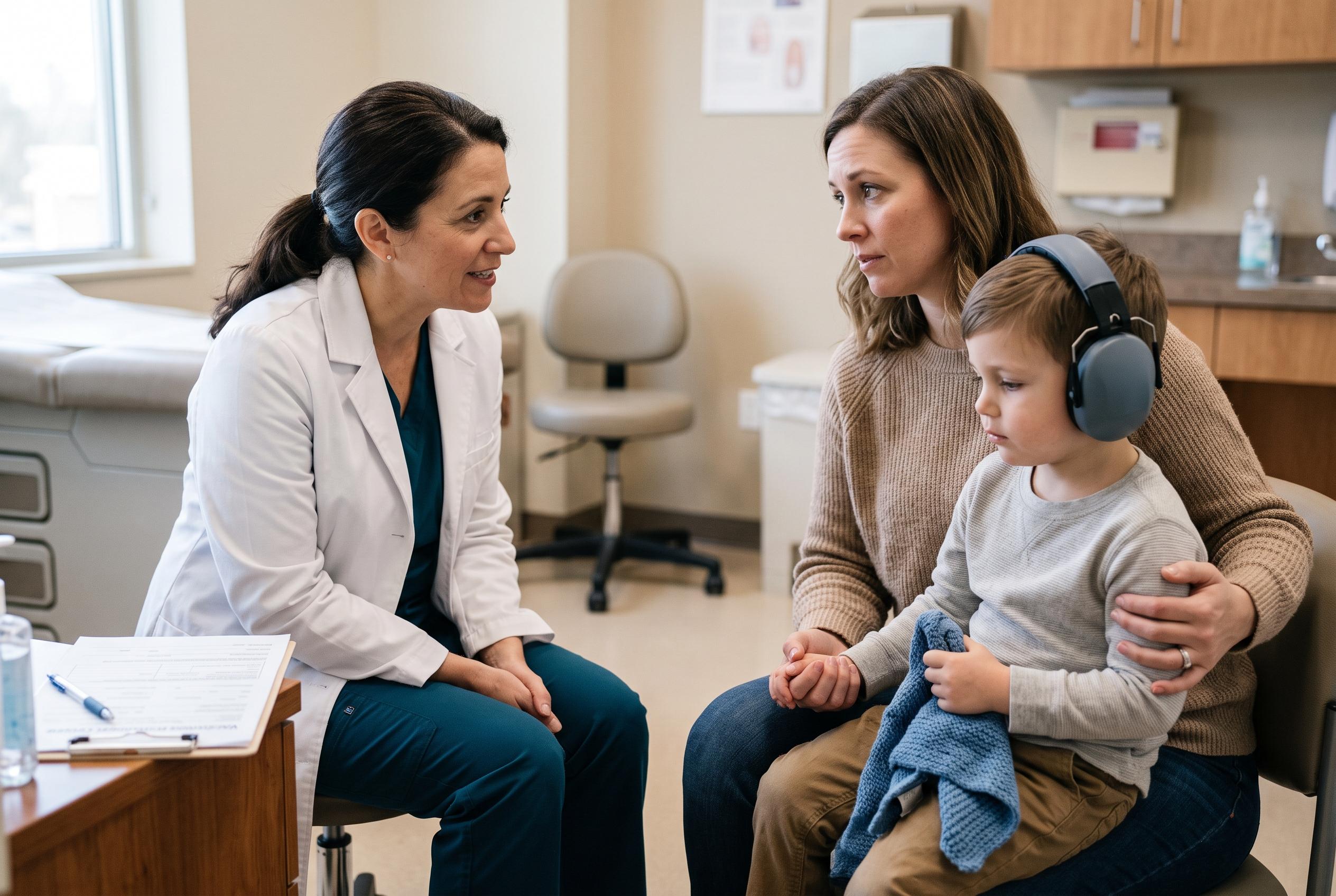

Research indicates autistic people in the US face a significantly higher risk of death from influenza, underscoring the importance of autism-aware healthcare and proactive health checks to address systemic barriers in accessing medical care.
Autistic people in the United States who were covered by Medicaid died at a rate far above what researchers expected, with influenza emerging as the biggest contributor to the gap, according to a study published in JAMA Network Open and reported by HuffPost UK. The findings do not mean autism itself makes flu more lethal, but they do underline how health inequalities can compound risk for people on the spectrum.
Experts quoted by HuffPost UK said the study reflects a wider pattern of poor access to care rather than autism alone. They pointed to obstacles such as difficulty phoning for appointments, crowded surgeries, unfamiliar clinicians and a lack of reasonable adjustments. Dr Asiya Maula warned against assuming that autism is the cause of severe flu outcomes, while also stressing that symptoms can be missed when a patient does not present in a typical way.
Professor Laura Crane of the University of Birmingham said autistic people can face barriers at almost every stage of getting medical help, from deciding whether symptoms are serious enough to seek care to receiving timely treatment. She noted that pain and illness may be expressed differently, which can lead to warning signs being misunderstood or overlooked. Dr Maula added that clinicians can also fall into “diagnostic overshadowing”, where new symptoms are wrongly attributed to autism.
The UK context is different from the US system studied, but the underlying lesson is similar. NHS England has said autistic people often need autism-informed inpatient care and reasonable adjustments to overcome communication and sensory barriers. The Care Quality Commission has also repeatedly warned that autism and learning disability services still fall short, with uneven staff training and care that too often leaves patients feeling unsupported.
The flu advice itself is unchanged: carers should look for the usual symptoms, including fever, cough, sore throat, headache, muscle aches and exhaustion, but also for behaviour that is out of character, such as withdrawal, reduced communication, refusing food or drink or becoming hard to wake. Dr Maula said urgent help is needed for breathing problems, blue lips, confusion, seizures, severe dehydration or a sudden worsening after initial improvement. She also noted that autism alone does not qualify someone for a free NHS flu jab, although many autistic people will be eligible through age, learning disability or another health condition.
Professor Crane said the study strengthens the case for proactive health checks and more preventative, autism-aware care in the UK. Research from Newcastle University has suggested such checks are acceptable and practical to deliver, helping to spot health needs earlier and reduce the chance that small problems become emergencies.
Disclaimer: This content is for informational purposes only and is not intended to be a substitute for professional medical judgment, advice, diagnosis, or treatment.



