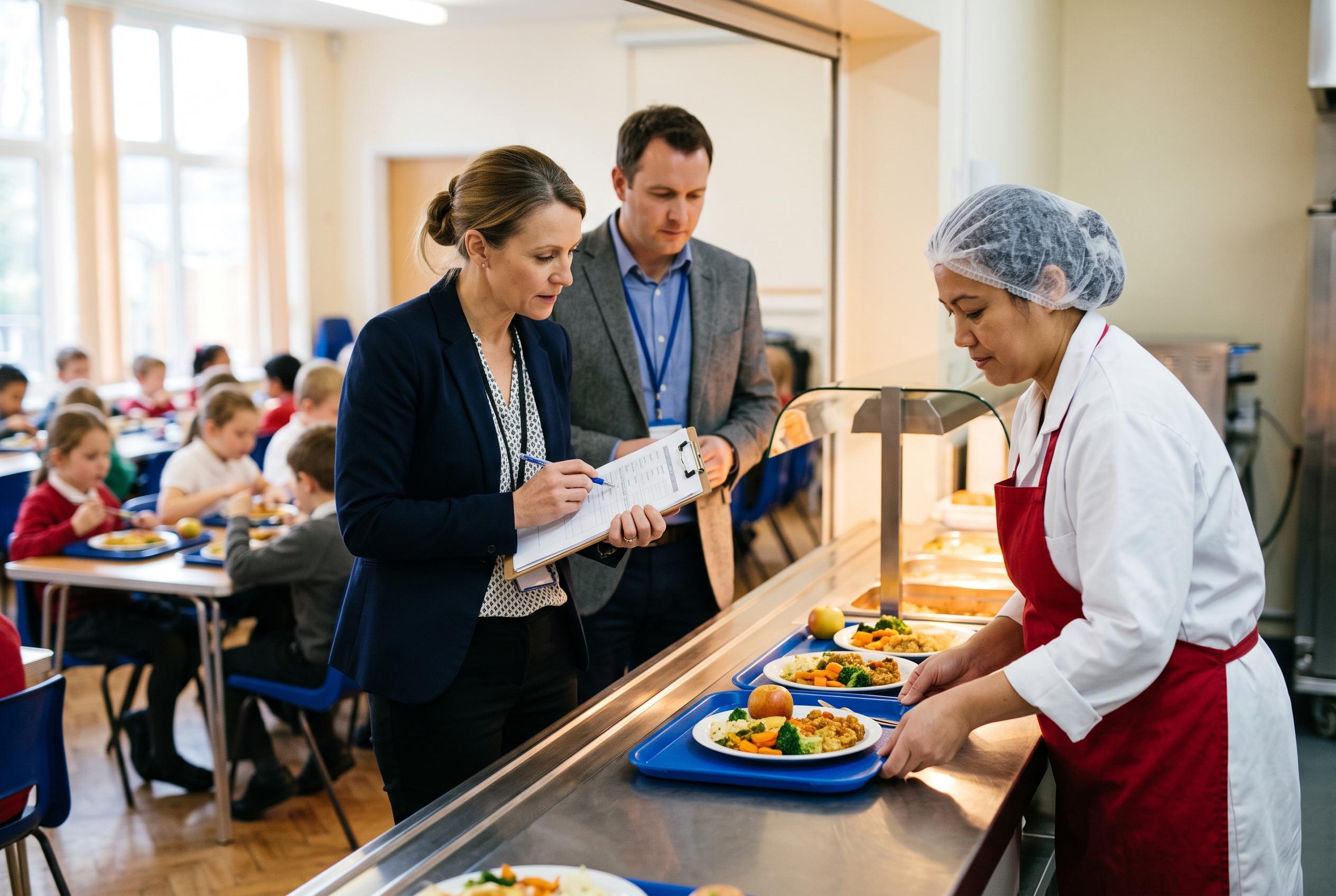

More than two-thirds of England’s school leaders believe independent compliance checks are crucial to ensuring new nutritional standards improve children’s diets amid calls for stronger enforcement and practical oversight.
More than two-thirds of state school leaders believe England’s School Food Standards would work better if compliance were checked independently, according to polling commissioned by School Food Matters for the School Food Review. The survey of more than 1,400 leaders comes as the government updates the standards to reflect current nutritional guidance, with tighter limits on sugar, salt and saturated fat and stronger emphasis on vegetables, fruit, wholegrains, fibre and pulses.
Ministers have already set out plans for a wider monitoring and accountability system to help schools put the revised rules into practice. Those plans include asking schools to publish their food policies and lunch menus online, and to name a governor responsible for school food. The Department for Education has also said it will work with the Food Standards Agency on the monitoring approach, with further details due in the coming months. Analysis by the Food Foundation suggests England is moving towards a more formal national system from 2027, while Scotland already uses independent health and nutrition inspectors and Wales relies more heavily on self-regulation.
School Food Review leaders say the policy shift will only matter if it is backed by practical oversight. Myles Bremner, senior programme manager at the review and a former director of the School Food Plan, said updating the standards was overdue but warned that rules on their own do not improve children’s diets. Stephanie Slater, founder and chief executive of School Food Matters, said the polling showed school leaders understood that accountability is central to making sure children get the nutritious meals promised on paper.
The debate comes as pressure on the school meals system intensifies. The Food Foundation has warned that funding will be crucial as free school meals are expanded in September 2026 to children in families on universal credit, while schools continue to face higher food, staffing and energy costs. Separate research cited by the youth-led campaign group Bite Back found that more than three-quarters of secondary school menus in England did not comply with existing standards, underlining why campaigners say stronger enforcement, not just revised guidance, will be needed.
Disclaimer: This content is for informational purposes only and is not intended to be a substitute for professional medical judgment, advice, diagnosis, or treatment.