

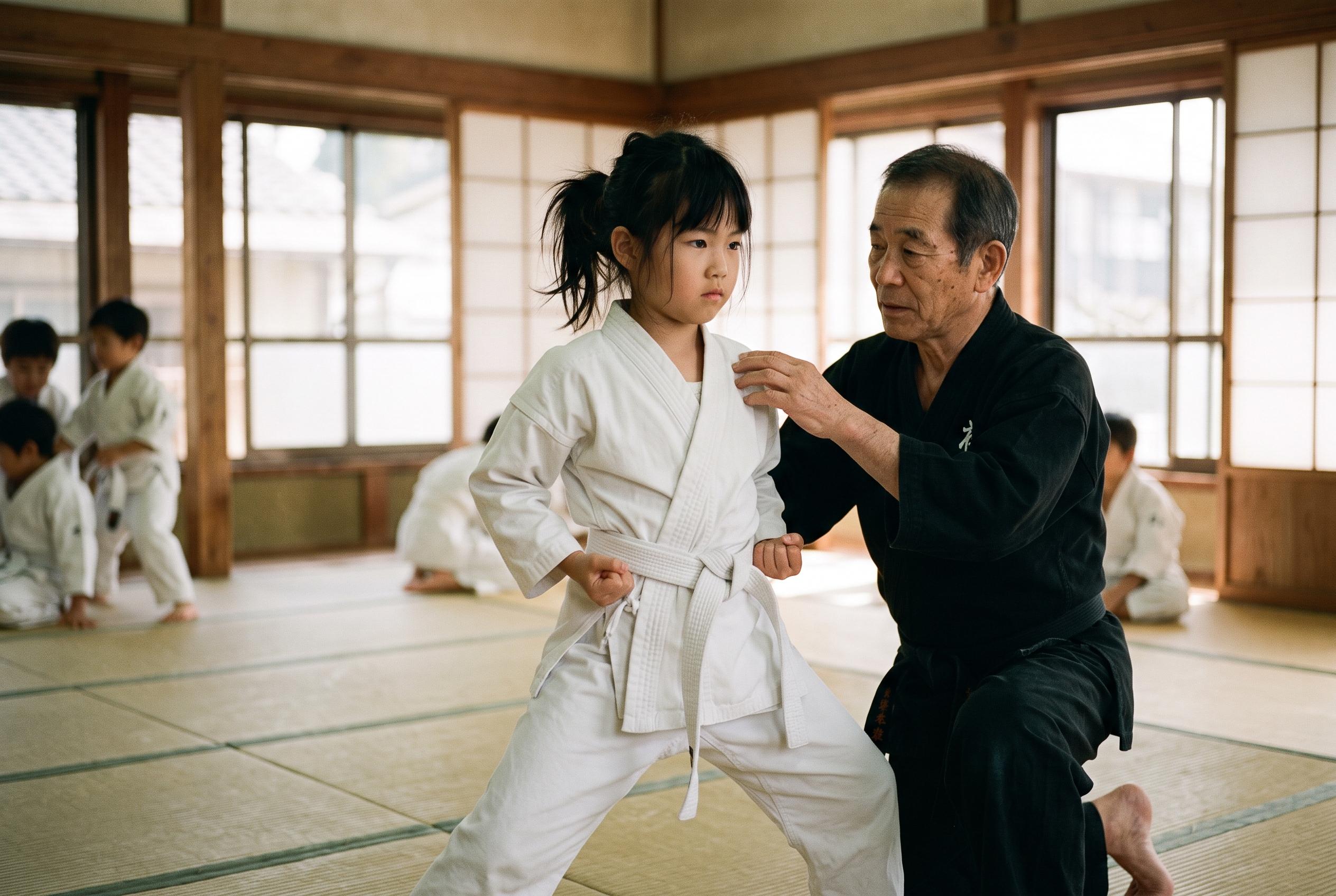

New research reveals that the toughest moments in beginner martial arts training serve as crucial opportunities for growth, highlighting the importance of managing fear, morality, and technical skills amid disruptive experiences.
A new study suggests that the roughest moments in beginner martial arts and combat sports training may be the most revealing. Writing in Frontiers in Psychology, researchers argue that being hit, overwhelmed or emotionally rattled can expose how novices learn to stay in the fight, but those moments do not automatically lead to growth.
The paper, based on 17 retrospective interviews with adult beginners in Brazil and Spain, looks at how practitioners experience what the authors call disruptive situations. These are moments when sparring or competition strains the normal back-and-forth of combat. The researchers say development is not simply about becoming tougher; it also involves learning to manage fear, pressure, force and responsibility towards a partner.
They organise the accounts into three linked areas of experience: psychological, moral or spiritual, and bodily or technical. The psychological side covers fear, frustration, uncertainty and the urge to freeze or pull away. Some participants described becoming more attentive and more confident over time. Others spoke of anger, avoidance, emotional breakdown or simply wanting to escape a difficult exchange.
The moral or spiritual dimension centres on how fighters judge their own conduct and that of their partners. In the interviews, that meant noticing when intensity tipped into excessive force, injury or bad temper, and also learning to adjust pace and strength so training could continue. The authors say this sensitivity is especially important in mixed-size or mixed-gender settings, where carelessness can quickly turn a technical exchange into harm.
The bodily or technical dimension is where those tensions become visible in action. Beginners described learning to guard, move, strike, defend and create distance under pressure. According to the study, progress appears when practitioners gain enough embodied skill to remain engaged without losing the reciprocal structure that makes combat sports distinct. But the authors also caution that disruptive moments can just as easily end in withdrawal, injury or avoidance. The benefits, they argue, depend heavily on coaching, partner behaviour and how intensity is managed in the gym.
Disclaimer: This content is for informational purposes only and is not intended to be a substitute for professional medical judgment, advice, diagnosis, or treatment.



