

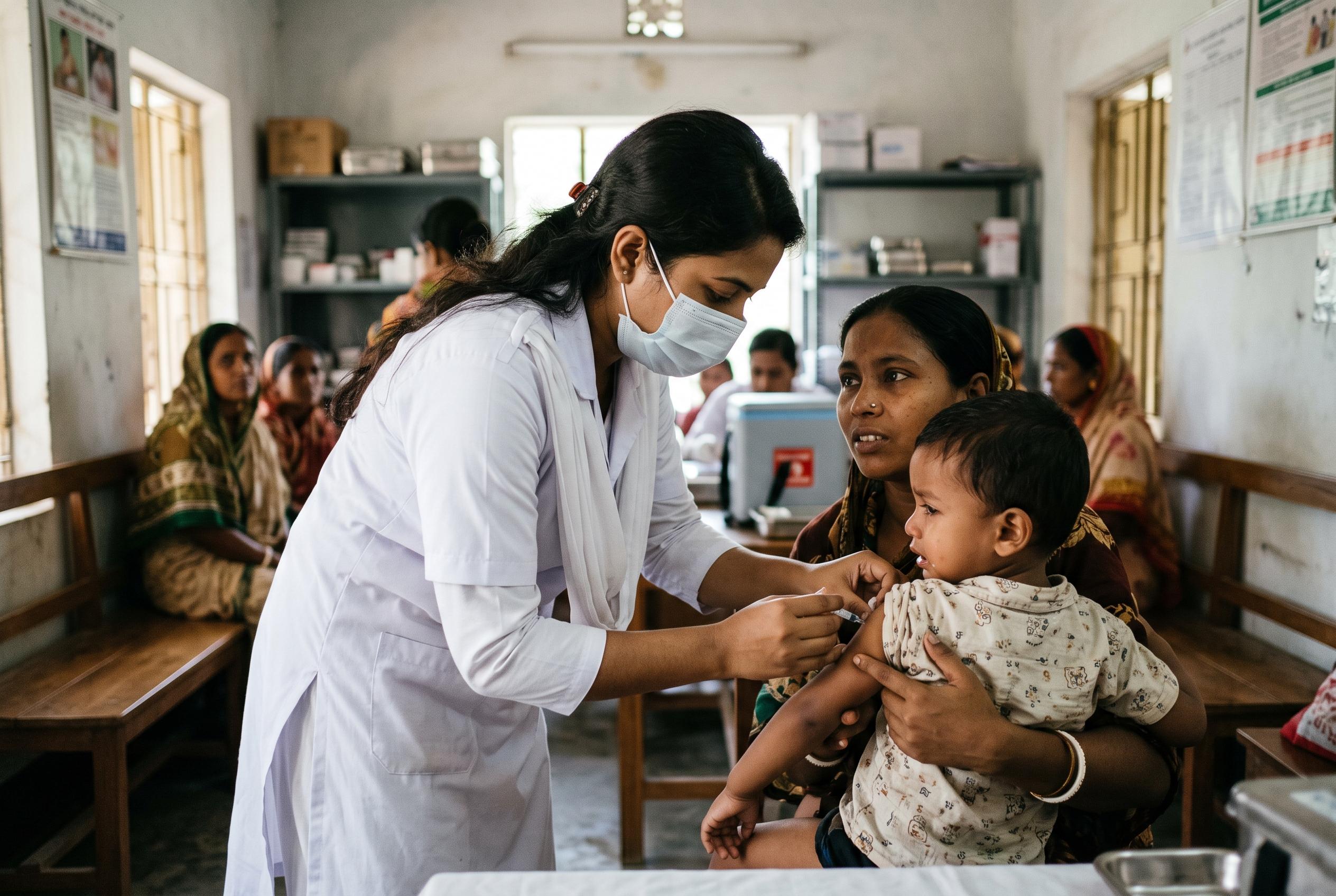

Despite extensive vaccination efforts, Bangladesh faces a surging measles epidemic driven by waning immunity and vulnerable children, prompting accelerated vaccination campaigns and urgent health interventions.
Bangladesh is racing to contain a major measles outbreak that has swept through the country despite an emergency vaccination drive that has already reached millions of children. Government figures cited by the World Health Organisation put the number of cases at more than 194,000 since March, while eight deaths were reported on one day this week as the virus continued to spread. UNICEF said the government will move into a more intensive phase of its vaccination campaign from 26 September to reach children who have not yet received their shots.
Health agencies say the scale of the outbreak reflects a widening immunity gap. UNICEF Bangladesh has linked the surge to falling routine vaccination coverage, with measles-rubella first-dose coverage slipping to 86% in 2023 from 88.6% in 2019, and second-dose coverage falling to 80.7% from 89% over the same period. The WHO has assessed the national risk as high and said urgent action is needed to strengthen surveillance and vaccination.
UNICEF’s mid-year situation report said a nationwide measles-rubella campaign had reached 18.5 million children, yet infections and deaths kept rising, showing that many vulnerable children were still being missed. Earlier UNICEF reporting also warned that children under five made up the bulk of suspected and confirmed cases, underlining how quickly the disease was moving through the youngest age groups. The organisation has said the outbreak response must target densely populated and high-risk areas, where transmission can be hardest to stop.
Public health experts say the continuing deaths suggest the first emergency campaign was not broad enough to interrupt transmission everywhere. The WHO has said the disease is already circulating across large parts of the country, which means it can take time for vaccination and surveillance efforts to break the chains of infection. Overcrowded hospitals and child malnutrition have added to fears that severe cases will continue unless routine immunisation and treatment capacity are strengthened.
Disclaimer: This content is for informational purposes only and is not intended to be a substitute for professional medical judgment, advice, diagnosis, or treatment.



