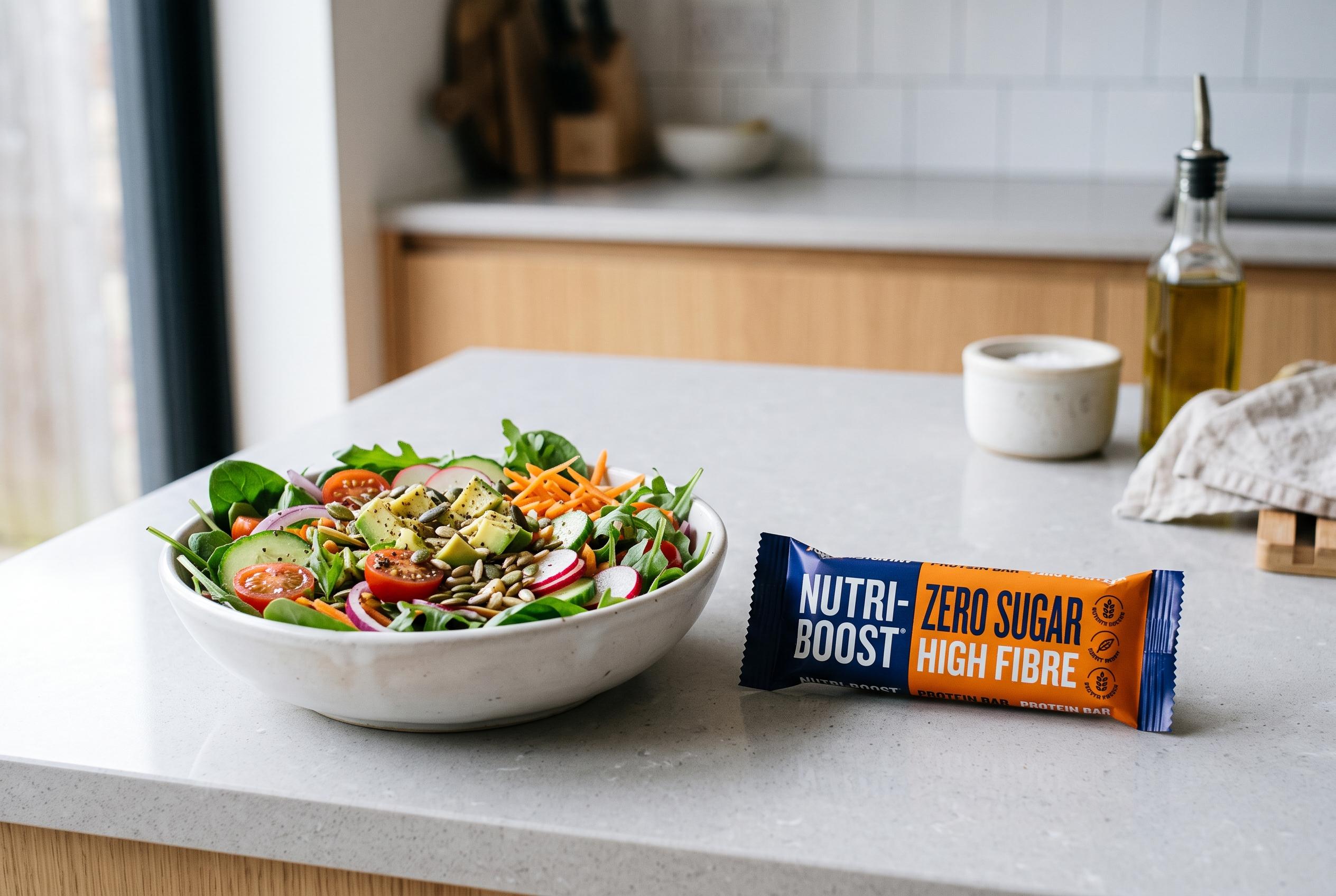

Experts warn that marketing labels like ‘fit’, ‘zero sugar’ or ‘high in fibre’ can mask unhealthy ingredients in popular convenience foods, raising concerns about dietary habits and chronic disease risk.
Health-focused labels can be persuasive, especially for parents and busy households trying to make quicker choices at the supermarket. Protein bars, yoghurt drinks, cereals, biscuits, shakes and ready meals sold as “fit”, “zero sugar” or “high in fibre” have become commonplace, but nutrition experts warn that the marketing can create a health halo that disguises the product’s true composition. WebMD has noted that products can appear wholesome because of claims such as “organic” or “gluten-free” while still being high in sugar, salt or saturated fat.
That is the central concern raised by Brazilian doctor Maria Beatriz Leme Monteiro, who told Metrópoles that consumers can be misled when they focus only on one highlighted nutrient. A product may indeed contain added protein, fibre or vitamins, yet still be an ultra-processed item built from industrial ingredients and additives rather than a food that should anchor daily meals. The Environmental Working Group has made a similar distinction, saying that processing can improve convenience and safety, but ultra-processed foods often contain large amounts of sugar, salt or fat.
Research cited by Metrópoles adds weight to that warning. A study published in Ciência & Saúde Coletiva found that 79% of 146 foods sold in Brazil carrying the words “fit” or “fitness” were ultra-processed, and 80% carried additional positive claims such as “rich in fibre”, “gluten-free” or “vegan”. That pattern reflects a broader problem: one appealing claim can overshadow the rest of the ingredient list. The Post-Gazette has also reported that ultra-processed foods are widespread in modern diets and have been linked in studies with chronic conditions such as obesity, diabetes and cancer.
Nutrition specialists say the practical test is not whether a product sounds healthy, but how often it replaces real food. Monteiro told Metrópoles that convenience is not the issue; habitual substitution is. For quick options, she and nutritionist Yuri Sato pointed to simpler choices such as fruit, nuts, boiled eggs, cheese and plain yoghurt, provided they suit the person’s needs and storage conditions. The Brazilian Health Ministry’s food guide recommends that minimally processed foods form the basis of the diet, with ultra-processed products kept to a minimum. The lesson is straightforward: read the ingredients, check the full nutrition label and do not mistake a slogan for a healthy meal.
Disclaimer: This content is for informational purposes only and is not intended to be a substitute for professional medical judgment, advice, diagnosis, or treatment.