

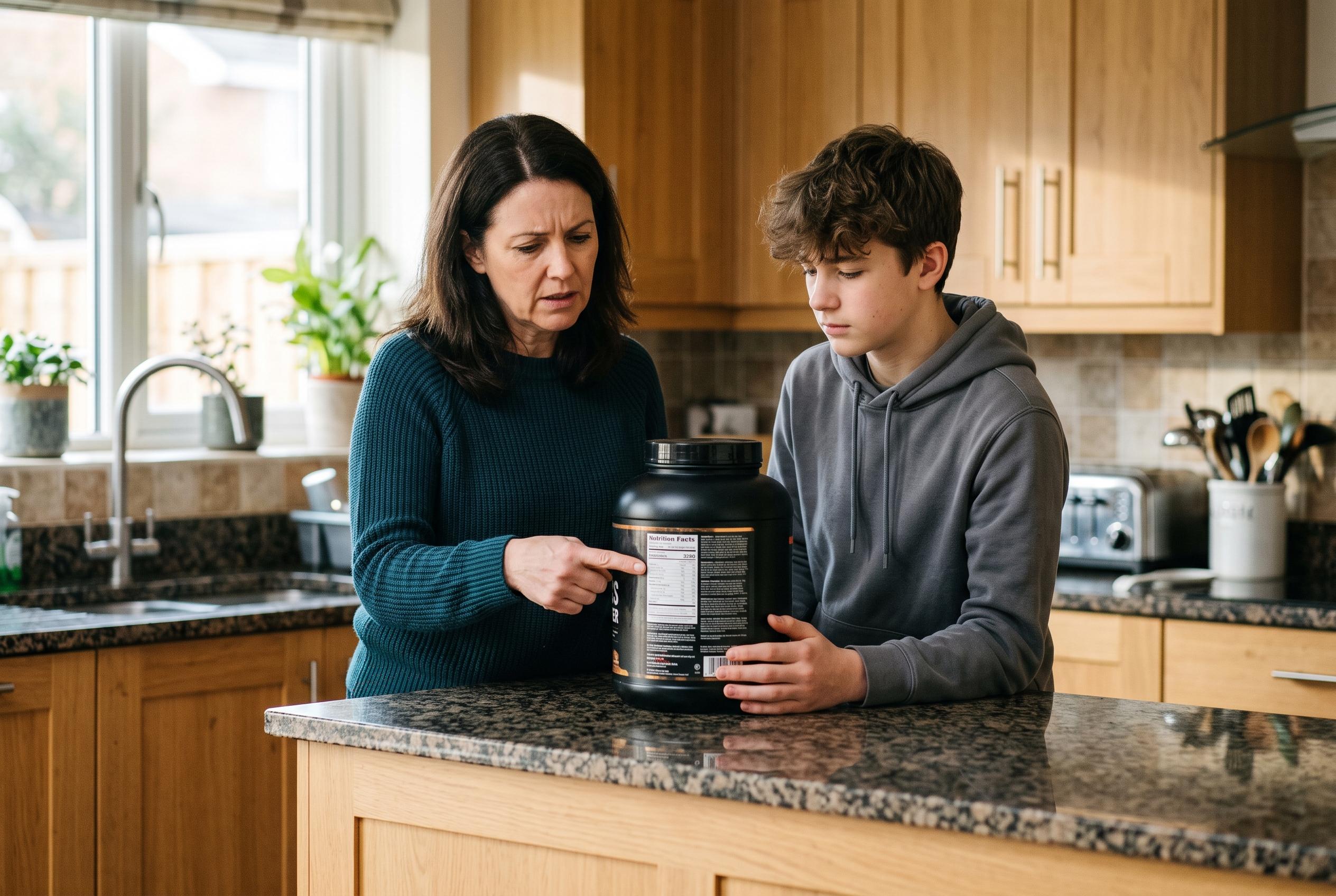

As teenagers increasingly incorporate protein powders into their diets, experts emphasise cautious use, label-reading, and the importance of balanced nutrition over supplements, amid rising safety concerns about heavy metals and reckless consumption.
Children are often curious about whatever a parent is eating or drinking, but protein shakes raise different questions depending on the child’s age. A toddler reaching for a sip is usually copying an adult; a teenager asking whether protein powder belongs in their routine is making a more deliberate choice about nutrition, growth and independence.
For younger children, experts generally say the safest approach is to rely on a balanced diet rather than supplements. Healthline, WebMD and Medical News Today all note that most children get enough protein from regular meals, and that protein powders or drinks are rarely needed unless a clinician has identified a specific reason. A small taste in a smoothie or baked recipe is not the same as making shakes a daily habit, but parents should still check with a paediatrician before turning it into something routine.
The picture changes somewhat for teenagers, especially those who train regularly. According to HealthyChildren.org, adolescents do need protein for growth and muscle repair, but extra powder is not automatically better, and exercise itself – not loading up on supplements – is what builds muscle. Cleveland Clinic says parents should be wary of diets and supplements that crowd out healthier food choices, and suggests that homemade shakes or simpler nutrition drinks are often safer alternatives than relying on heavily processed powder mixes.
Another concern is what is actually in the container. Consumer Reports has warned that some mainstream protein powders and shakes have contained levels of lead it considered too high for a single serving, which is especially worrying when a product is used every day. That does not mean every brand is unsafe, but it does mean parents should look beyond marketing claims and treat supplement labels with the same care they would give any other product a child might consume regularly.
When a family does decide a teen needs a shake, the details matter. The right amount should be based on body size, activity level and overall diet, not on whatever scoop a parent uses. It is also worth choosing products with short ingredient lists, clear labelling and independent testing rather than relying only on the manufacturer’s assurances. For older teenagers, especially those heading to college and making their own food choices, that kind of label reading may be more useful than any single brand recommendation. The bigger lesson is not whether a child can have a sip of a parent’s shake, but whether they are being taught how to judge what is appropriate for their own body.
Disclaimer: This content is for informational purposes only and is not intended to be a substitute for professional medical judgment, advice, diagnosis, or treatment.



