

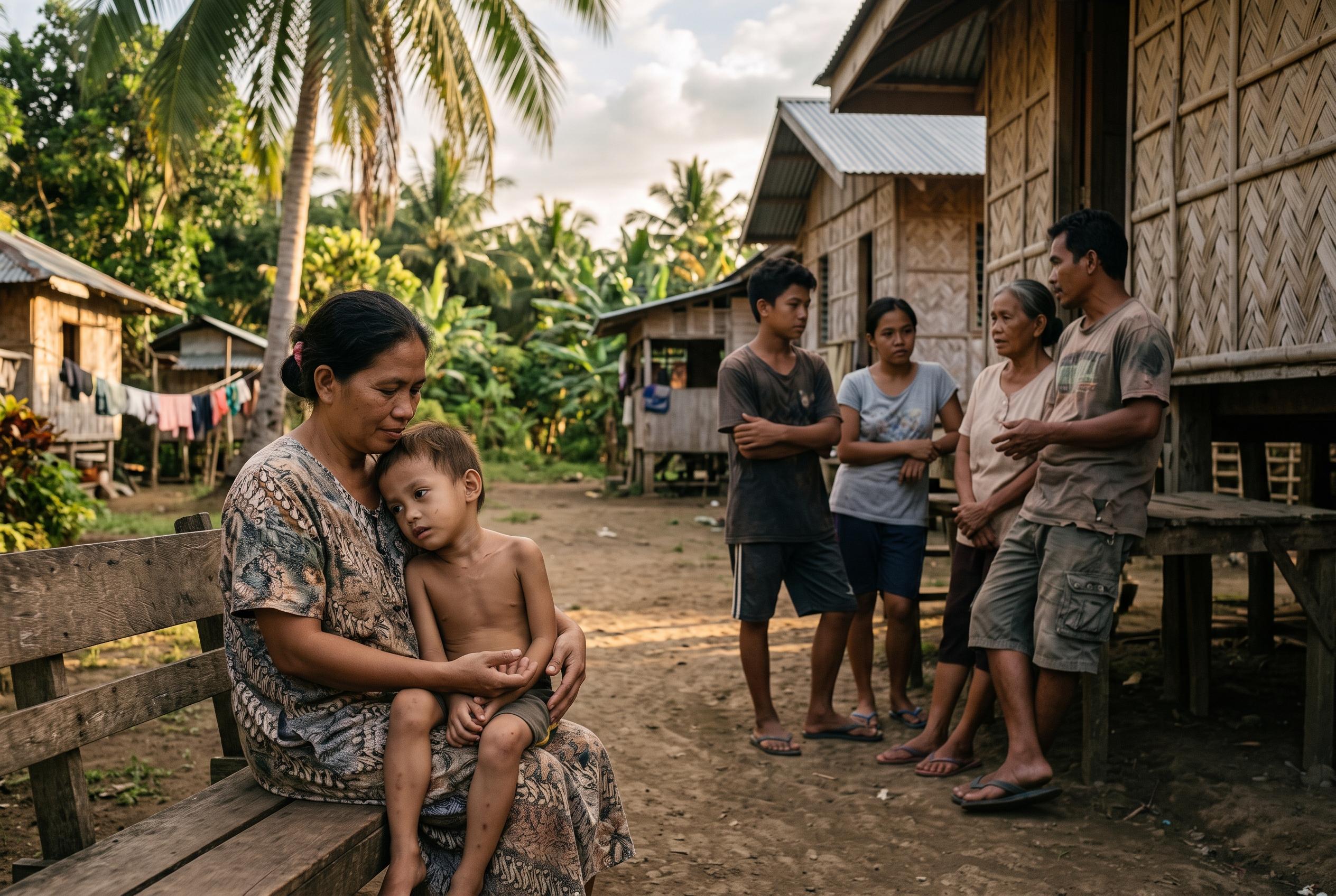

Malnutrition in the Philippines costs the economy approximately $8.5 billion each year, highlighting the urgent need for multisectoral interventions to boost productivity, education outcomes, and long-term growth, according to World Bank estimates.
Malnutrition is draining the Philippine economy by about $8.5 billion a year, or roughly 3% of gross domestic product, according to World Bank senior nutrition adviser Cecilia Santos-Acuin. Speaking at the European Chamber of Commerce of the Philippines’ fifth annual nutrition forum, she argued that poor nutrition is not just a health concern but a drag on productivity, skills development and long-term growth.
Santos-Acuin said the economic logic for intervention is strong. The World Bank estimates that a package of nutrition measures would cost about $20 for each mother, infant and child, putting the Philippines’ total investment at around $1.5 billion. In return, she said, the country could gain about $35 billion in economic benefits.
The costs are also felt in classrooms, according to Department of Education director Miguel Angelo Mantaring. He said hunger and poor nutrition weaken attendance, participation and readiness to learn, making it harder for education reforms to take hold. DepEd is expanding its school feeding programme to about 4.6 million learners in school year 2026-2027, including around 1.5 million kindergarten pupils and 1.8 million Grade 1 pupils receiving daily feeding.
The World Bank has previously warned that childhood undernutrition remains a serious problem in the Philippines, with nearly 30% of children under five stunted in one country report. It has also said malnutrition reduces incomes, raises health costs and damages human capital. Against that backdrop, Santos-Acuin said the main challenge is often not the absence of solutions but the fragmentation of delivery. She pointed to a multisectoral nutrition project with the Philippine government that combines national and local action with early childhood development, water, sanitation and hygiene programmes, and has recorded stronger results on breastfeeding, antenatal care and dietary adequacy in participating communities.
Disclaimer: This content is for informational purposes only and is not intended to be a substitute for professional medical judgment, advice, diagnosis, or treatment.



