

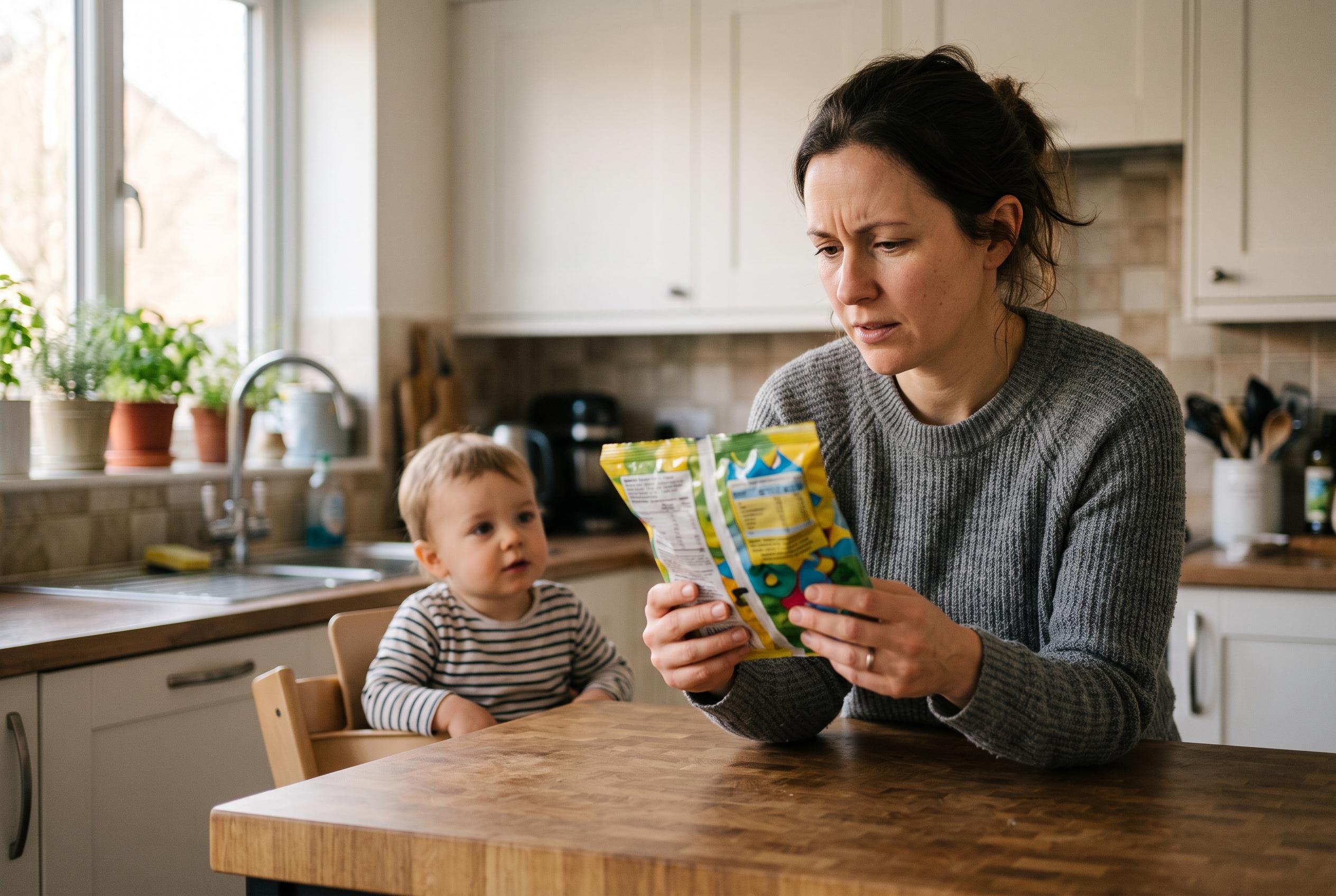

A new investigation reveals that most tested children’s snacks contain potentially harmful chemicals like acrylamide and phthalates, prompting calls for stricter regulation and more mindful parenting.
Packaged snacks may be an easy answer when children are hungry, but a new Consumer Reports investigation suggests parents may want to look more closely at what is inside the packet as well as on the label. The consumer group said it tested 21 popular children’s snacks and found that 14 contained what it described as concerning levels of at least one chemical contaminant, including acrylamide or phthalates.
Consumer Reports said acrylamide appeared in 13 of the 14 products that raised concern. The chemical can form in some foods during high-heat cooking and processing, and some health authorities regard it as a probable human carcinogen based on animal research. The group said the substance showed up in a range of children’s favourites, including granola bars, crisps, pretzels and graham crackers.
The investigation also found phthalates in 10 of the 21 snacks, with three products exceeding the group’s level of concern for one specific phthalate, di(2-ethylhexyl) phthalate, or DEHP. Phthalates are industrial chemicals that can make their way into food during manufacturing, packaging or processing. Consumer Reports says high exposure has been linked to possible long-term health effects, including disruption of hormones, and it argues that children may be especially vulnerable because their bodies are still developing.
Among the products flagged for phthalates were Annie’s Cheddar Bunnies Original, Chocolate Chip Z Bars and Slim Jim Mild Snack Size Sticks, Consumer Reports said. The organisation also reported some reassurance in the testing: seven of the products came in below its threshold of concern across all measures, including Pirate’s Booty cheese puffs, Welch’s fruit snacks and Frigo string cheese.
A Consumer Brands Association spokeswoman told Consumer Reports that many of the substances highlighted in the report occur naturally in food, including fruits, vegetables and grains, or are formed during preparation. Jessica D’Argenio Waller, a Consumer Reports food safety specialist, said parents can only control so much and that manufacturers and regulators also have a role in reducing contaminants before foods reach shelves. The group’s advice to families is to rely less on a single snack day after day, and to lean more often on whole foods or homemade options when possible.
Disclaimer: This content is for informational purposes only and is not intended to be a substitute for professional medical judgment, advice, diagnosis, or treatment.



