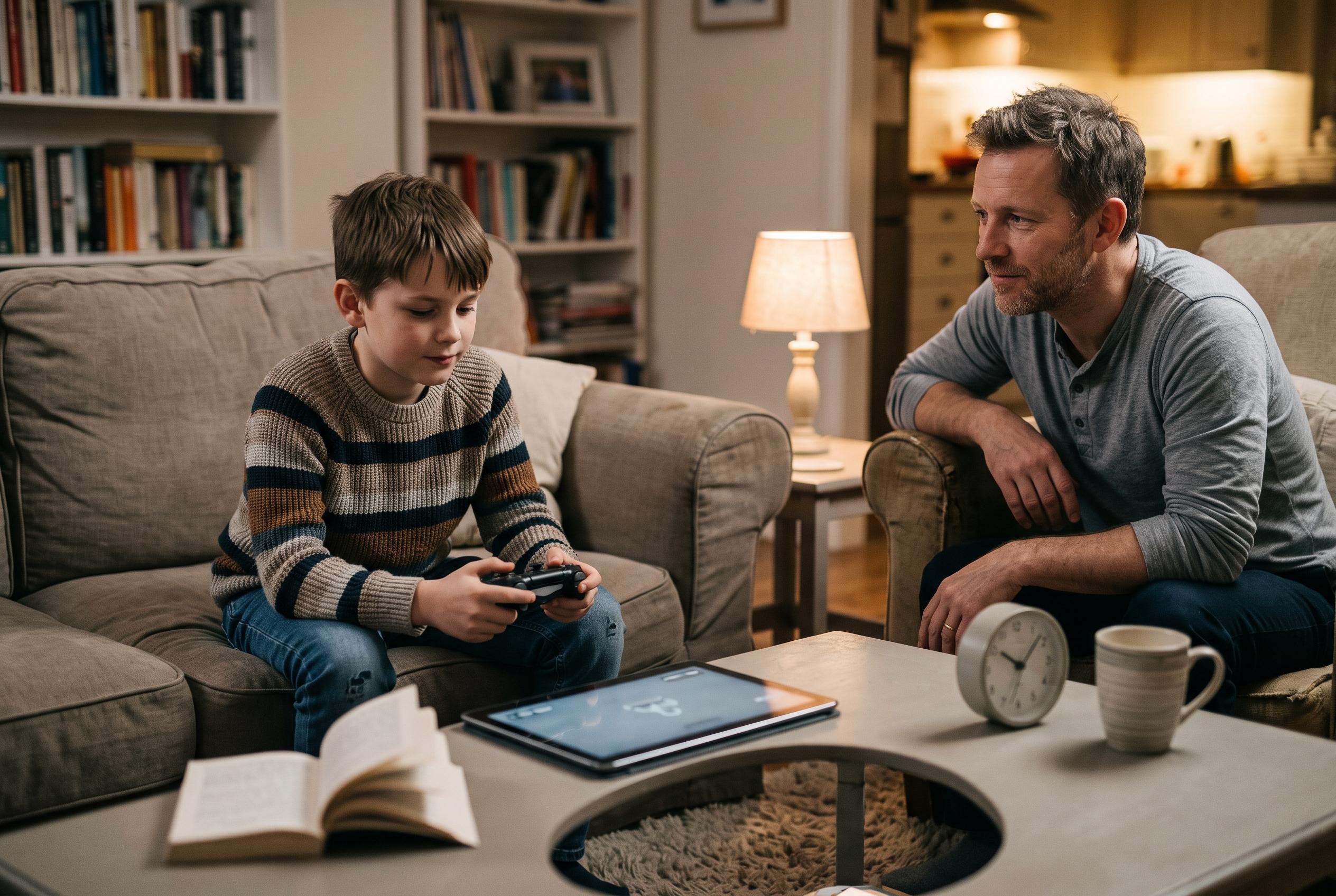

New insights suggest that the impact of video games on young people’s mental health depends heavily on how, when, and why they play, encouraging a shift from panic to nuanced understanding among parents and educators.
Video games are too often treated as a single threat in debates about children’s mental health, but the evidence and the reality inside homes are far more complicated. In an opinion piece for MCV/Develop, Sarah Sorrell, charity director at Safe In Our World, argued that games can be a source of stress, isolation and poor sleep for some young people, but also a valuable outlet for others who use them to connect, solve problems and feel competent. Her central point was simple: the harm is usually tied less to gaming itself than to the way it is used, the kind of spaces children enter and the level of adult attention around them.
That argument fits with the work of Safe In Our World, which describes itself as a mental health charity for both players and game makers. The organisation says its mission is to reduce stigma, raise awareness across the games industry and provide resources, training and support for people who need them. In that context, Sorrell’s appeal for curiosity rather than panic is also a practical one: she wants parents to ask what a game is giving a child, whether that is friendship, creativity or a sense of mastery, instead of reaching straight for bans.
Research cited by Johns Hopkins Medicine points in a similar direction. A review by Johns Hopkins Children’s Center looked at studies of video games designed as mental health interventions and found that specially designed games may help children and teenagers dealing with anxiety, depression and ADHD. The hospital said these games could be useful tools as part of broader support for young people, rather than replacements for professional care. That does not mean every game is therapeutic, but it does undercut the idea that gaming is automatically bad for mental health.
Other health groups also stress balance over alarm. The Kids Mental Health Foundation says gaming is neither wholly good nor wholly bad and notes that families benefit from talking openly about limits, routines and what children are getting from play. Its guidance also reflects a point Sorrell makes in her essay: for some children, gaming communities can be one of the few places where they feel they belong. The broader lesson for parents is less about eliminating games than understanding the role they play in a child’s life, including when they support social connection and when they begin to crowd out sleep, schoolwork or other relationships.
Disclaimer: This content is for informational purposes only and is not intended to be a substitute for professional medical judgment, advice, diagnosis, or treatment.