

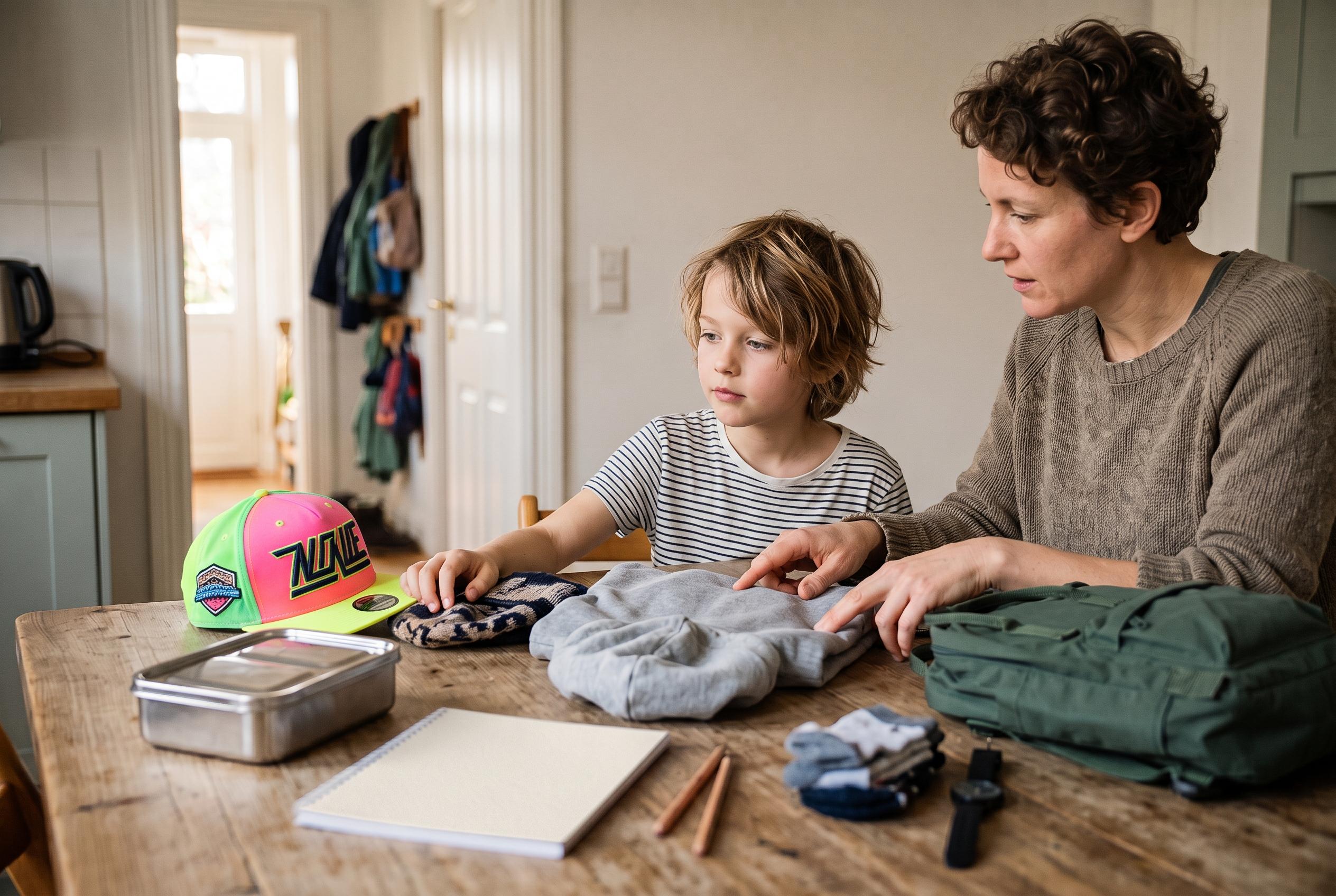

As school years restart, experts highlight the importance of understanding children’s social pressures and guiding them through peer influence on fashion and belongings, turning material requests into lessons on individuality and confidence.
As the new school year begins, many families find themselves in a familiar tug of war: a child insists they urgently need the trainers, jeans, T-shirts or water bottle everyone else seems to have. What can look like simple pester power is often something deeper: a mix of envy, anxiety and a fear of being left out. HotNews, drawing on an article from Parents.com, says psychologists see these requests as closely tied to a child’s sense of belonging, not just to fashion or status.
That helps explain why the pressure can feel so intense. Eileen Kennedy-Moore, a psychologist and host of the Kids Ask Dr. Friendtastic podcast, says it is natural for children to look at what their friends are wearing and think they want the same thing. But, as she notes, children and teenagers are especially vulnerable to this kind of comparison because their identities are still forming and they have less life experience to put trends into perspective. In other words, the latest must-have item can feel less like a want and more like a ticket to fitting in.
Other child-wellbeing experts make the same point in different ways. GreatSchools says parents should try to understand what popularity or belonging really means to a child, rather than dismissing the request outright. That may mean asking what the item represents: confidence, friendship, acceptance or simply the comfort of not standing out. KidsHealth and Stanford Children’s Health both note that peer influence can be positive as well as negative, which is why parents are often better served by helping children name the pressure they feel, rather than treating it as vanity.
The practical answer is usually not to ban every trend, nor to buy everything on demand. Cleveland Clinic advises parents to set clear limits while also explaining money, value and choice. Connecticut Children’s recommends talking early, practising responses to peer pressure and keeping communication open so children feel safe bringing these moments home. Over time, these conversations can turn a schoolyard fashion panic into a useful lesson: fitting in matters to children, but so do individuality, judgement and learning when enough is enough.
Disclaimer: This content is for informational purposes only and is not intended to be a substitute for professional medical judgment, advice, diagnosis, or treatment.



