

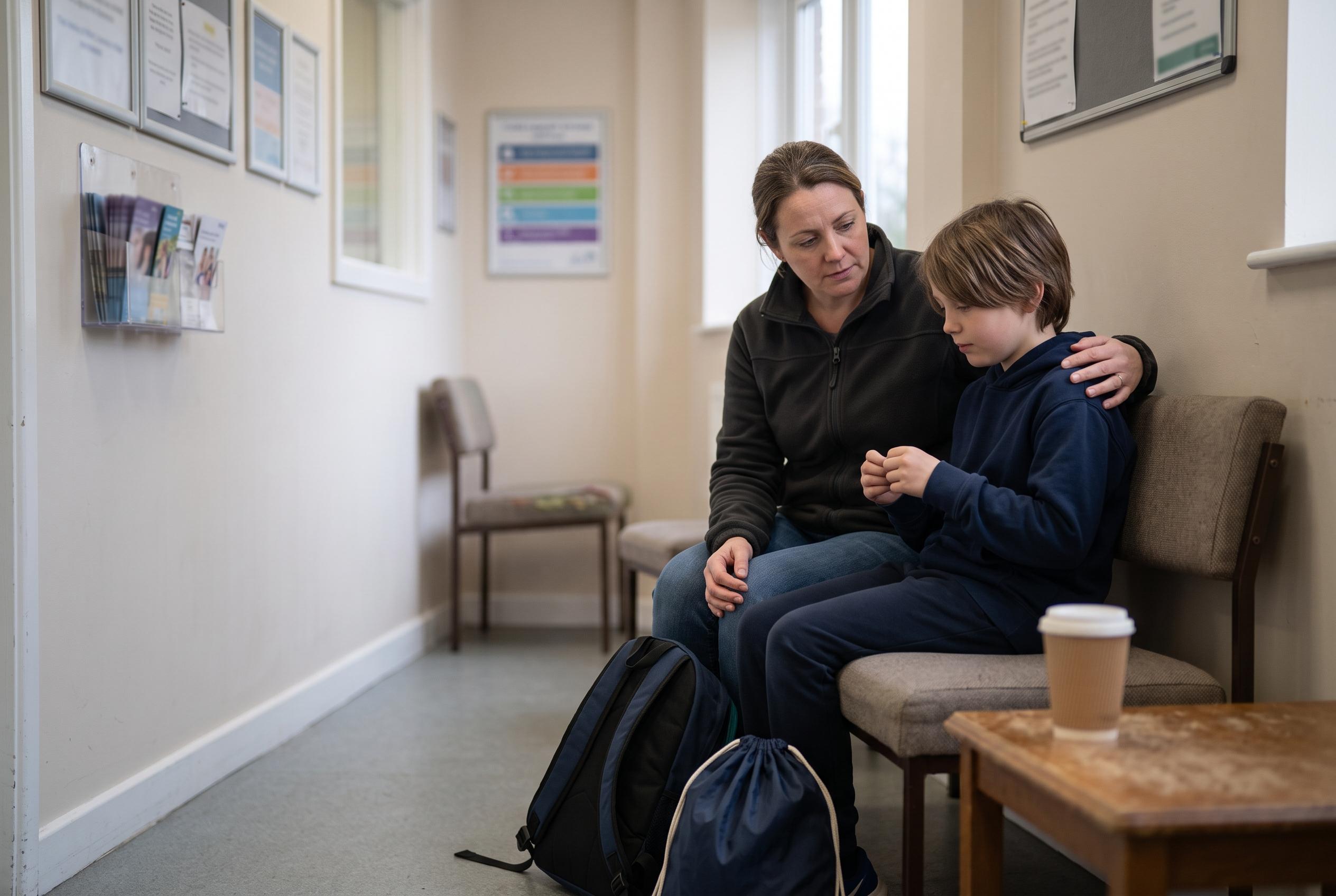

Despite facing higher levels of psychological difficulties, children known to social services in England are being missed by mental health services, highlighting a persistent gap exacerbated during the pandemic.
Children in England who are already known to social services are still being missed by mental health support, despite facing far higher levels of need, according to research from the University of Cambridge.
The study found that fewer than one in five children and young people on child protection plans or in care had contact with mental health services in a given year, even though this group is substantially more likely than their peers to experience serious psychological difficulties. NHS England has said that around one in five children and young people in the country have a probable mental disorder, underlining the scale of the challenge facing services.
Researchers analysing NHS Digital data say contact with child and adolescent mental health services rose year on year across the period studied, with almost 2 million children and young people seen between 2016 and 2021. Anxiety, crisis episodes, depression, neurodevelopmental conditions and self-harm were among the most common reasons for referral, although the primary reason was not recorded in most cases.
The Cambridge team said children in care and those on child protection plans were two to three times more likely than other children to be in touch with services, but that still left a large gap between need and access. In some cases, they said, referrals were turned away because a child’s difficulties were judged to be too complex or too closely tied to social circumstances, leaving social workers and families to pick up the pieces. Barry Coughlan, the study’s first author, said the findings show that many vulnerable young people are not getting the support they need when problems first emerge.
The researchers also found that contact with services flattened or fell at ages 17 and 18, even though late adolescence is a period of heightened risk. They pointed to possible causes including weaker advocacy at that age and the fact that some older teenagers may refuse help. The study also suggested that Asian and Black children were less likely than expected to be in contact with services, adding to concerns about unequal access.
The authors said there was some indication that children on protection plans or in care were more likely to be seen in 2020-21 than in the previous year, hinting that the pandemic may have hit these young people particularly hard. They described the analysis as the first use of NHS Digital child mental health data for this kind of research, and said it shows the value of routinely collected records in exposing gaps in care.
Disclaimer: This content is for informational purposes only and is not intended to be a substitute for professional medical judgment, advice, diagnosis, or treatment.



