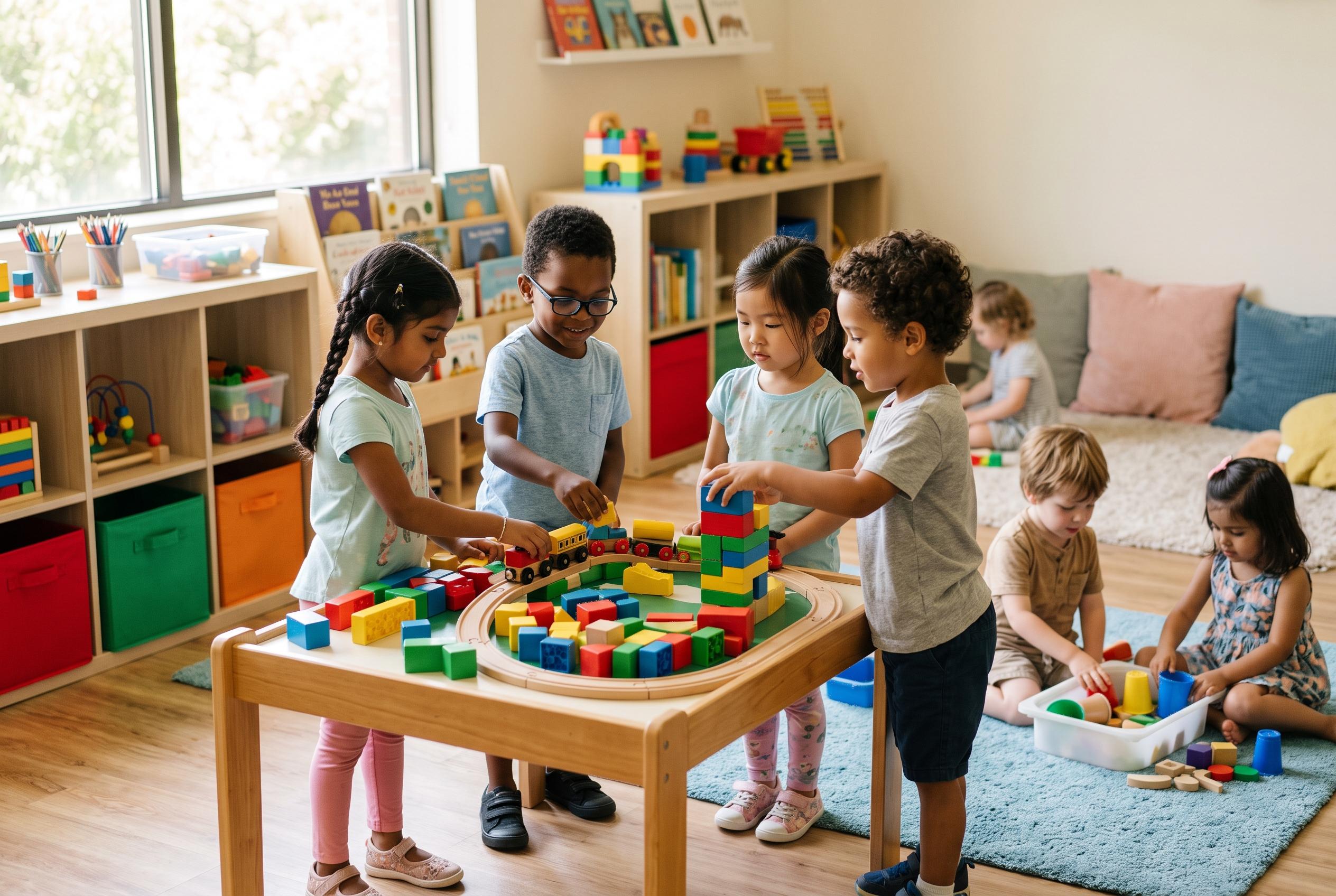

A five-week summer programme has markedly improved social performance, behaviour, and autism-related symptoms in young children without intellectual disabilities, in findings published by the University at Buffalo.
A five-week summer programme for autistic children aged four to six has been linked to marked gains in social performance, according to researchers at the University at Buffalo’s Institute for Autism Research. The study focused on children without intellectual disabilities and found improvements not only in social skills but also in behaviour and autism-related symptoms. The findings were published in Advances in Neurodevelopmental Disorders in July 2026.
The programme, called summerMAXyc, ran five days a week during the summer and was designed as an intensive social intervention for a group that often has fewer chances to join group activities than peers without autism. The University at Buffalo said the model builds on its longer-running summerMAX programme for older children, which has been used for more than two decades.
Christopher J. Lopata, a co-author of the study, said the programme’s completion was associated with significant benefits and argued that early skill-building can support stronger outcomes later in childhood and beyond. The university said parents reported clear changes at home, including better eye contact, more play with others, greater ability to handle games without distress and improved recognition of emotions.
The study also relied on masked observers, a method the researchers said reduced the risk of bias because the assessors did not know which children had taken part in the intervention. The authors said the results appeared consistent across differences in age, IQ, communication ability and symptom severity, and they now want to test the programme in a larger randomised clinical trial with a control group.
Disclaimer: This content is for informational purposes only and is not intended to be a substitute for professional medical judgment, advice, diagnosis, or treatment.