

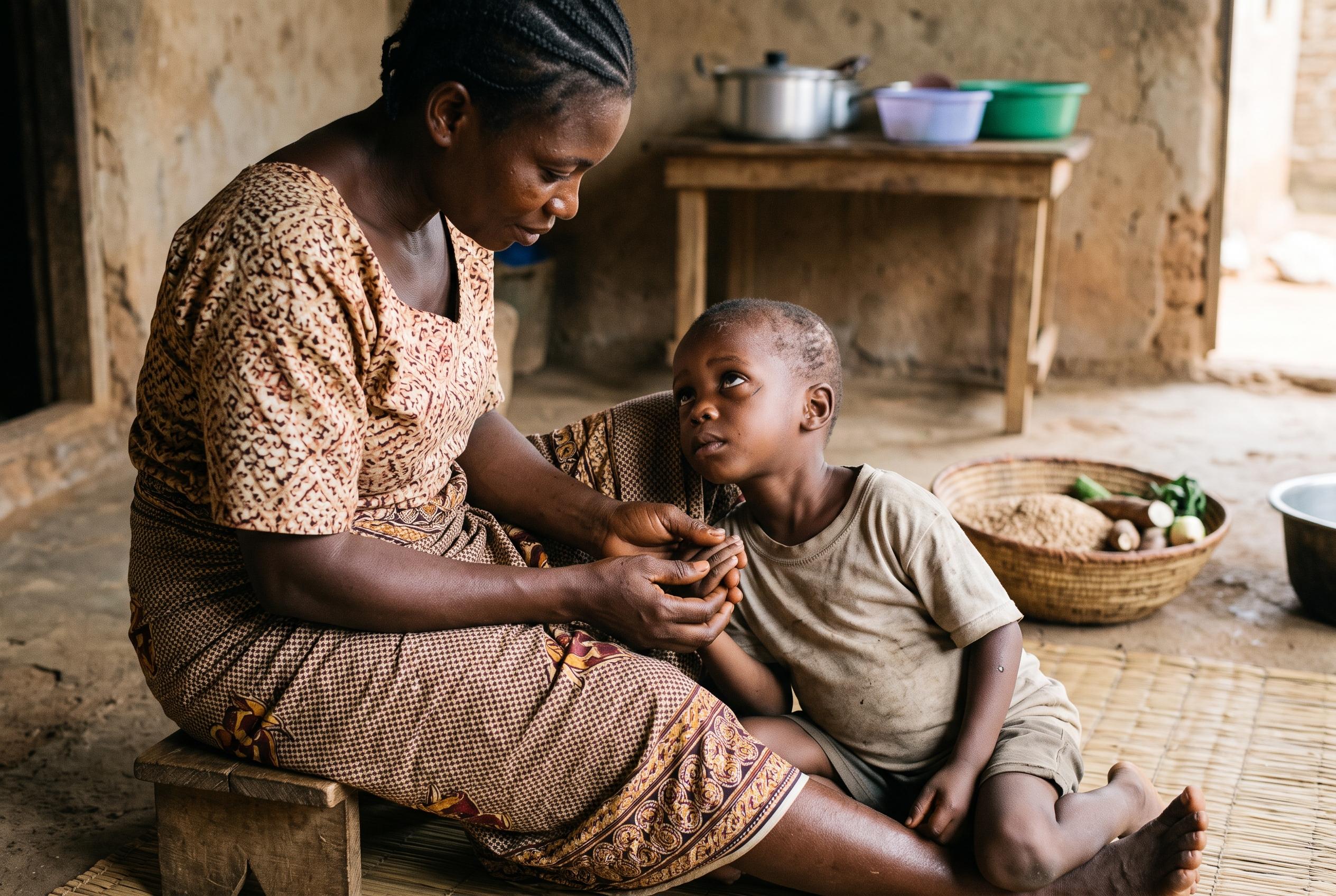

Vice President Kashim Shettima warns that over 40% of Nigerian children under five are stunted, highlighting a critical nutrition crisis that threatens the country’s future workforce and public health, as experts call for urgent policy action and accountability measures.
Nigeria’s worsening nutrition gap is now being cast as a direct threat to the country’s future workforce and public health, after Vice President Kashim Shettima warned that more than four in 10 children under five are stunted. The figure climbs to 58.2 per cent in the North-West, underlining how sharply the burden is concentrated in some parts of the country. Shettima also said only 6 per cent of pregnant women completed at least 180 days of iron supplementation in 2024, far below the government’s 2035 target of 70 per cent.
Speaking in Lagos at the opening of the Nutrition Society of Nigeria’s 56th annual scientific conference and annual general meeting, Shettima said Nigeria could not treat nutrition as a side issue. He said policy should be judged by what changes in households, not by the number of plans or regulations produced, and argued that fortification and other interventions must be measured by whether they reduce micronutrient deficiencies.
The vice president, represented by his senior special assistant on public health and focal person on nutrition, Uju Rochas-Anwukah, pointed to the administration’s National Policy on Food and Nutrition 2026-2035 and the Nutrition 774 Initiative, which is intended to take interventions into all 774 local government areas. He also said the National Nutrition Dashboard should be used as an accountability tool to support evidence-based decisions and to help expose implementation failures before they become entrenched.
Other speakers at the conference echoed the warning. Muhammadu Sanusi II, chairman of the board of trustees of the Nutrition Society of Nigeria, said the latest figures should push government to treat nutrition as a core development concern, not a crisis measure. He said nutrition affects productivity, brain development, maternal survival and resilience, and called for protected funding, dedicated budget lines, timely releases and tighter monitoring of spending. Sanusi also urged faster passage of the Nutritionists Registration Council of Nigeria Bill to strengthen professional standards.
Professor Salisu Maiwada Abubakar, president of the society, described the country’s nutrition profile as both a warning and a call to action, saying the response must link food systems with health, education, social protection, water and sanitation. Dayo Lajide, permanent secretary at the Lagos State Ministry of Health, said Nigeria is facing a triple burden of malnutrition, including undernutrition, micronutrient deficiencies and rising overweight and obesity. Mojisola Adeyeye, director-general of the National Agency for Food and Drug Administration and Control, called for closer cooperation among regulators, academics, industry and policymakers to ensure food is safe, nutritious and properly labelled.
Disclaimer: This content is for informational purposes only and is not intended to be a substitute for professional medical judgment, advice, diagnosis, or treatment.



