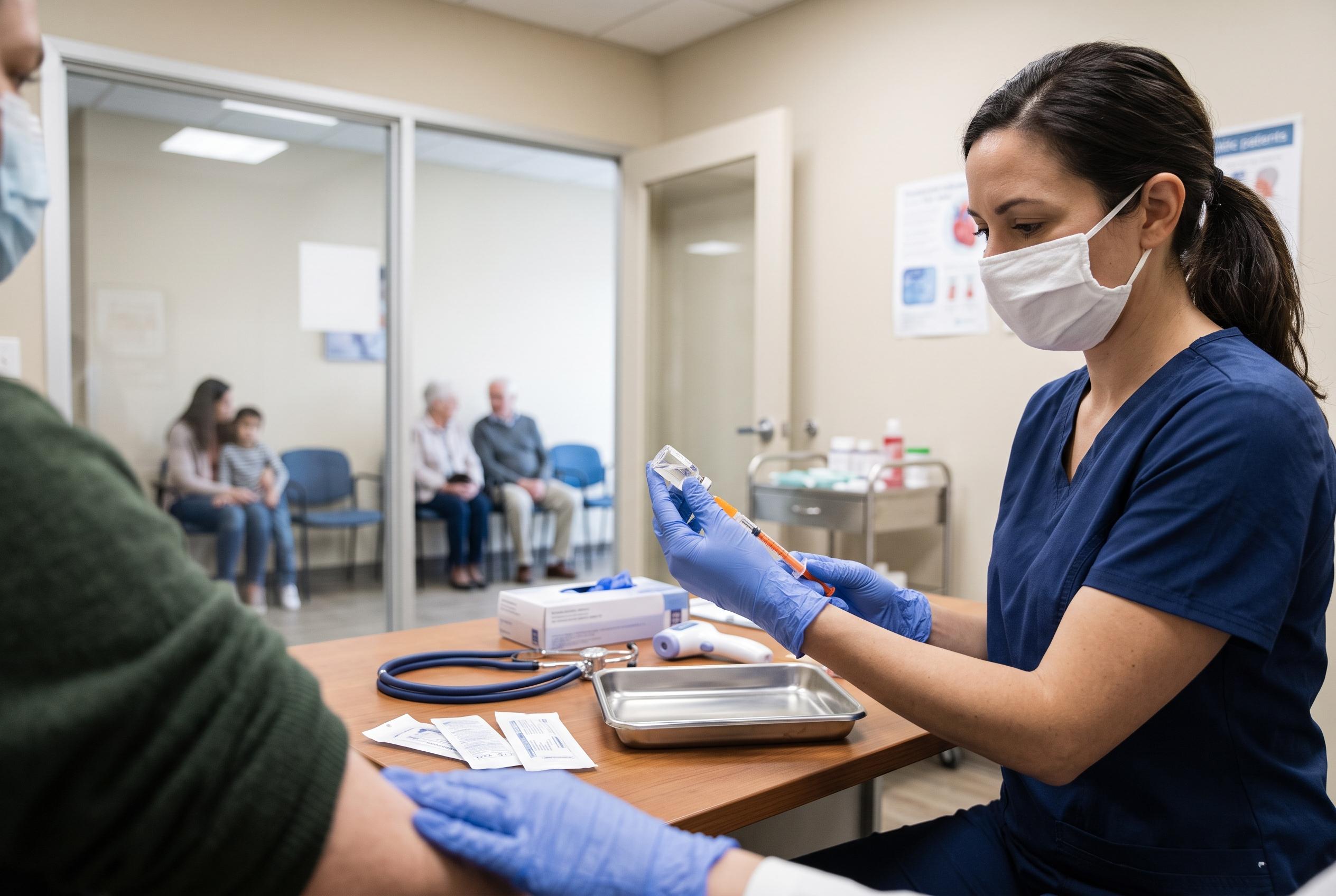

Meningococcal disease, a swift and potentially deadly infection, remains a pressing global health concern. Experts emphasise the importance of early recognition and vaccination, especially in vulnerable groups, to prevent severe outcomes.
Meningococcal disease is a fast-moving infection caused by the bacterium Neisseria meningitidis, which can sit harmlessly in the throat and nose of some people before tipping into serious illness. According to the CDC, the infection can spread through close contact with respiratory and throat secretions and may lead to meningitis or bloodstream infection, both of which can become life-threatening quickly.
Doctors say the biggest challenge is recognising the illness early because the first signs can look like an ordinary viral infection: fever, headache, weakness and muscle pain. The CDC and the World Health Organisation note that the disease can worsen rapidly, and that prompt antibiotic treatment is critical. In infants, warning signs can be less typical and may include irritability, poor feeding and unusual behaviour.
Children under two, people living in crowded settings and those with weakened immunity are among the groups at higher risk. Clinicians also warn parents and carers to watch for stiff neck, lethargy and a purple-red rash that does not fade when pressed. Vaccination remains the main prevention tool, although the Bexsero vaccine against meningococcal group B is not part of routine immunisation in Israel, despite being widely recommended for young children there.
Disclaimer: This content is for informational purposes only and is not intended to be a substitute for professional medical judgment, advice, diagnosis, or treatment.