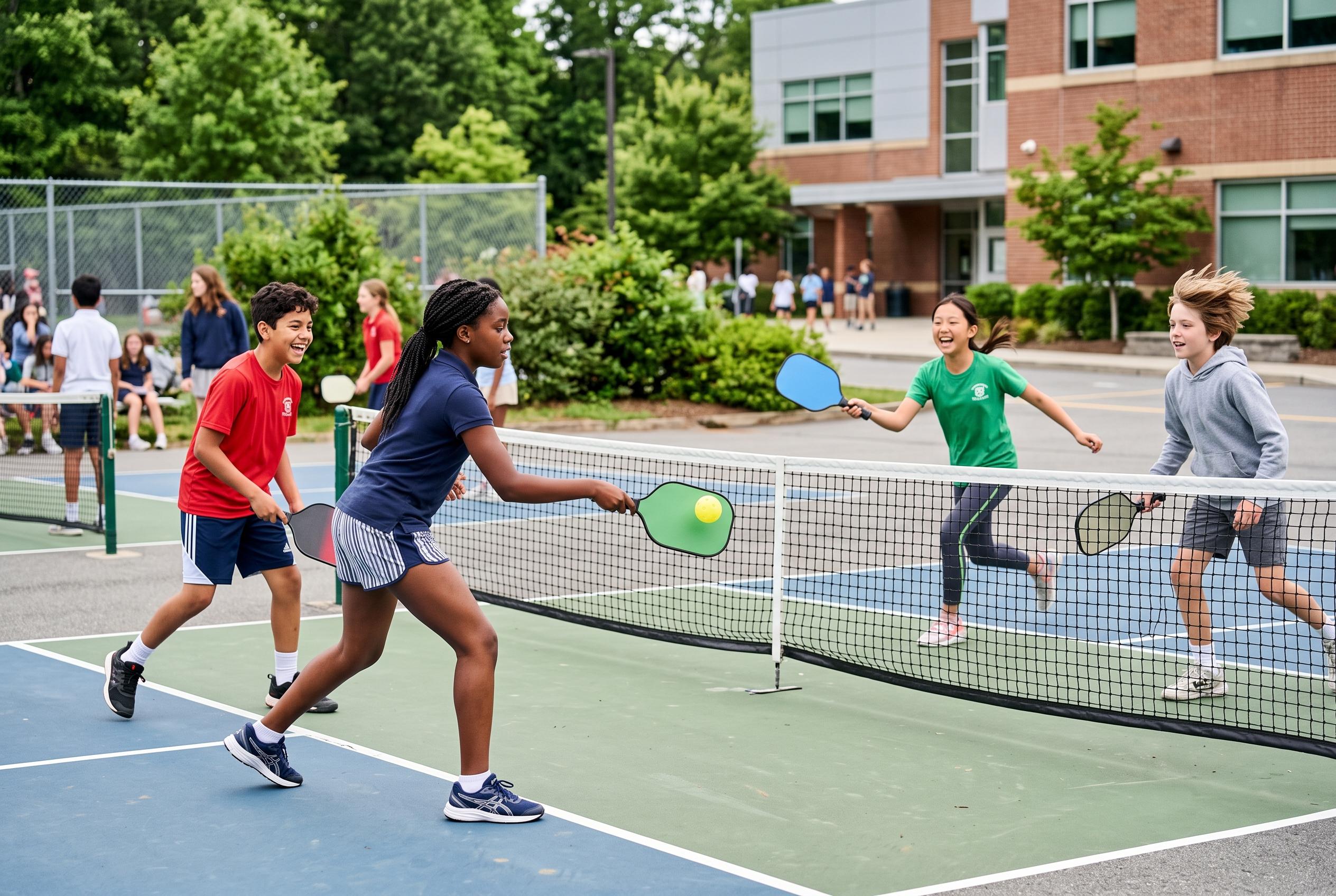

Insights from adult fitness movements like padel and pickleball highlight how schools can redesign PE to create more social, accessible, and rewarding experiences, encouraging sustained pupil participation amid rising challenges.
Adult fitness trends offer a useful clue for teachers trying to keep young people engaged in PE: people are more likely to return to activity when it feels social, easy to enter and visibly rewarding. The rise of padel, pickleball, CrossFit, parkrun and even recovery rituals such as ice baths and saunas suggests that adults are often drawn less by competition than by belonging, quick wins and a sense of shared routine. The argument from PE Scholar is that schools should pay closer attention to those factors if they want more pupils to take part willingly and consistently.
The case for change is reinforced by the Youth Sport Trust’s annual PE and school sport report for 2026, which says 2.1 million young people in England do less than 30 minutes of physical activity a day. It also says only 46% manage that amount during the school day, while PE remains the subject most likely to be cancelled. The same body says only 57% of teachers report delivering the recommended minimum of two hours of PE each week, a warning sign for schools already trying to balance staffing, timetabling and behaviour pressures.
Teacher survey data published by the trust points to wider challenges inside classrooms and sports halls. Nearly half of teachers surveyed said poor pupil behaviour is a serious issue, and many reported uncertainty about how much activity children should be getting in and beyond school. That helps explain why inclusion matters so much: if lessons are built around immediate success, social connection and clear progress, pupils are more likely to feel they belong.
That is where the adult sports comparison becomes most interesting. Padel and pickleball have grown quickly because they are simple to start, encourage participation across mixed abilities and rely heavily on doubles play, which reduces the pressure on individuals. Garmin’s 2025 fitness report also recorded a sharp rise in racket-sport sessions, underlining how strongly adults respond to formats that feel accessible and sociable. In schools, advocates argue, that could mean more small-sided games, more flexible grouping and less emphasis on long technical drills that can leave beginners switched off.
There is also a wider policy backdrop. In February 2026, the government set out its Every child achieving and thriving white paper, which placed the participation gap for disadvantaged children and pupils with special educational needs and disabilities near the centre of reform. It later announced more than £1 billion over three years for PE and school sport, including a new partnerships network intended to support schools more consistently. For PE departments, the message is clear: if the system is being asked to widen access, then curriculum design, school culture and daily routines all need to be more deliberate about inclusion.
PE Scholar argues that the answer is not to copy adult sport wholesale, but to borrow its best features. That means giving pupils more choice, celebrating effort as well as performance, using school media to showcase a wider range of successes and creating arrival and departure routines that make anxious pupils feel welcome. It also means recognising that many young people will only build confidence if lessons help them feel competent early. In that sense, the lesson from padel and parkrun is not about the sports themselves, but about the conditions that make people want to come back.
Disclaimer: This content is for informational purposes only and is not intended to be a substitute for professional medical judgment, advice, diagnosis, or treatment.