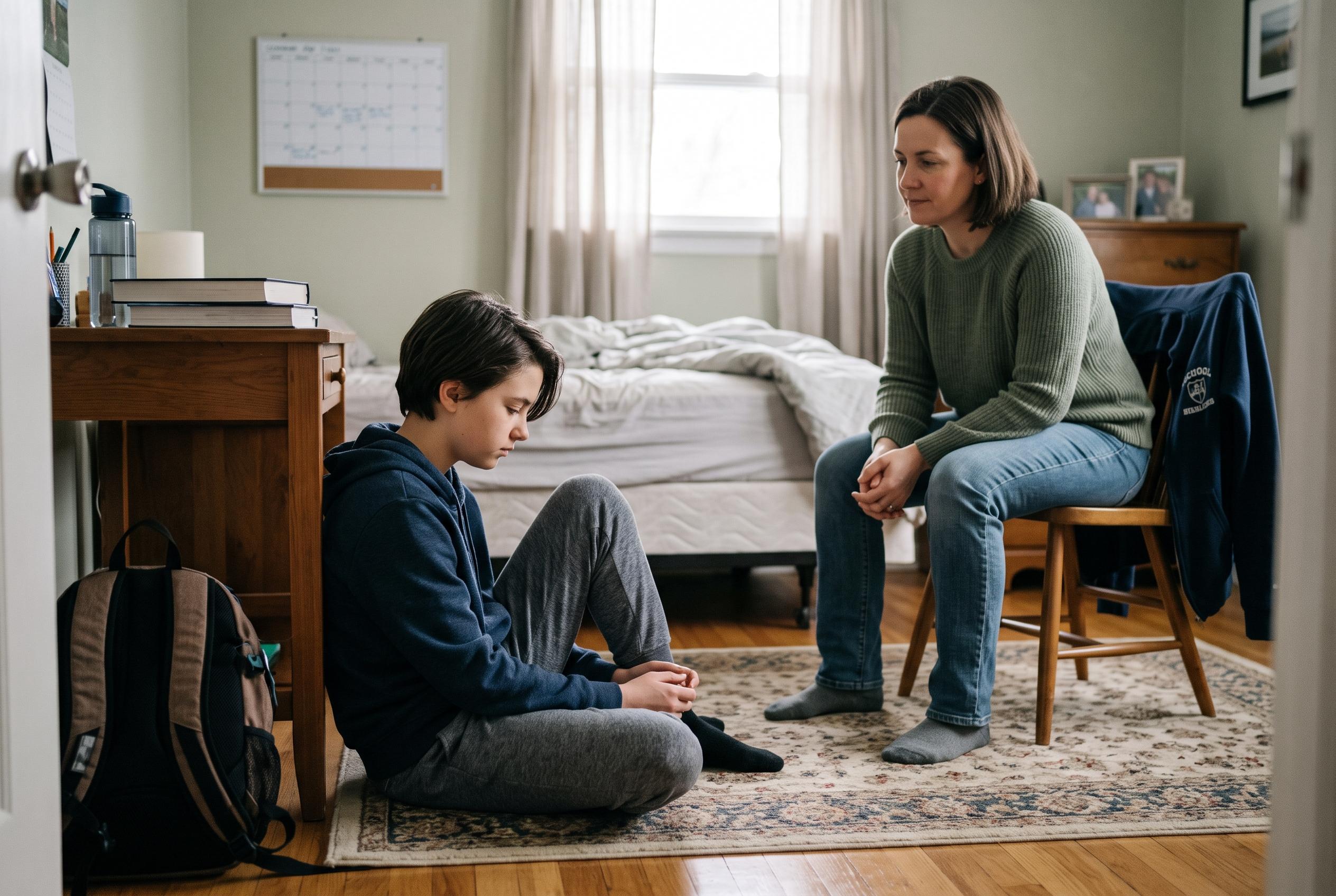

Early puberty can lead to psychological distress in children due to social and emotional mismatches, highlighting the importance of supportive environments and age-appropriate guidance.
Early puberty can be unsettling not because it is abnormal, but because it can arrive out of step with a child’s emotional world. Puberty is a normal stage of development, yet when physical change begins before most peers, the young person may feel older in body but still very much a child in outlook. Research summarised on PubMed suggests that earlier timing, especially in girls, is linked with a higher risk of internalising symptoms such as anxiety and low mood, although the size of the effect is usually modest and depends on social context.
The key issue is often not simply hormones, but the mismatch between bodily development and social readiness. A recent systematic review found that puberty coincides with major brain reorganisation, and that differences in timing and tempo may intensify vulnerability to mental health difficulties. Another review concluded that pubertal hormones are associated with mental health problems, but the evidence for direct cause and effect is weak because so many other factors are involved. In other words, early puberty should be seen as one influence among many, not a diagnosis in itself.
That mismatch can show up first as self-consciousness. A child who develops early may become unusually aware of appearance, stare down comments from classmates or feel exposed in situations that draw attention to the body, such as sports or changing rooms. Studies of adolescent girls have linked earlier maturation with higher levels of psychological distress, while broader reviews have found a consistent association with anxiety symptoms, particularly among girls. The social reaction to puberty often matters as much as the bodily change itself.
Body image can be another pressure point. When a young person looks different from friends, ordinary development can start to feel like a flaw. Evidence reviewed in the literature links appearance pressures, teasing and social comparison with greater body-image concern, and those concerns can feed into low self-esteem and depressive symptoms. A systematic review of pubertal stage and depression found a clear association in girls, while earlier menarche has also been tied to higher odds of depression in large pooled analyses. The pattern does not prove causation, but it does show that earlier development can raise risk in the wrong environment.
Peer relationships may be especially important. Adolescence is a period when friendships, status and belonging matter intensely, and children who mature early can be pulled into older social circles before they are ready. That can bring support, but it can also mean pressure, teasing or exposure to riskier behaviour. Reviews of the social environment and pubertal timing suggest that family support, school climate and peer attitudes can either buffer or amplify distress. The implication for parents and teachers is straightforward: an older-looking child should not be assumed to be emotionally older.
The most useful response is practical and calm. Children benefit from honest, age-appropriate explanations before changes begin, clear boundaries, and adults who do not treat early development as a sign that they should cope like older teenagers. Schools can help by tackling teasing and giving accurate puberty education, while families can make room for questions without embarrassment. Persistent withdrawal, ongoing anxiety, marked mood changes or problems at school or home should not be dismissed as “just hormones”. Early puberty may increase vulnerability, but supportive relationships can make a substantial difference.
Disclaimer: This content is for informational purposes only and is not intended to be a substitute for professional medical judgment, advice, diagnosis, or treatment.