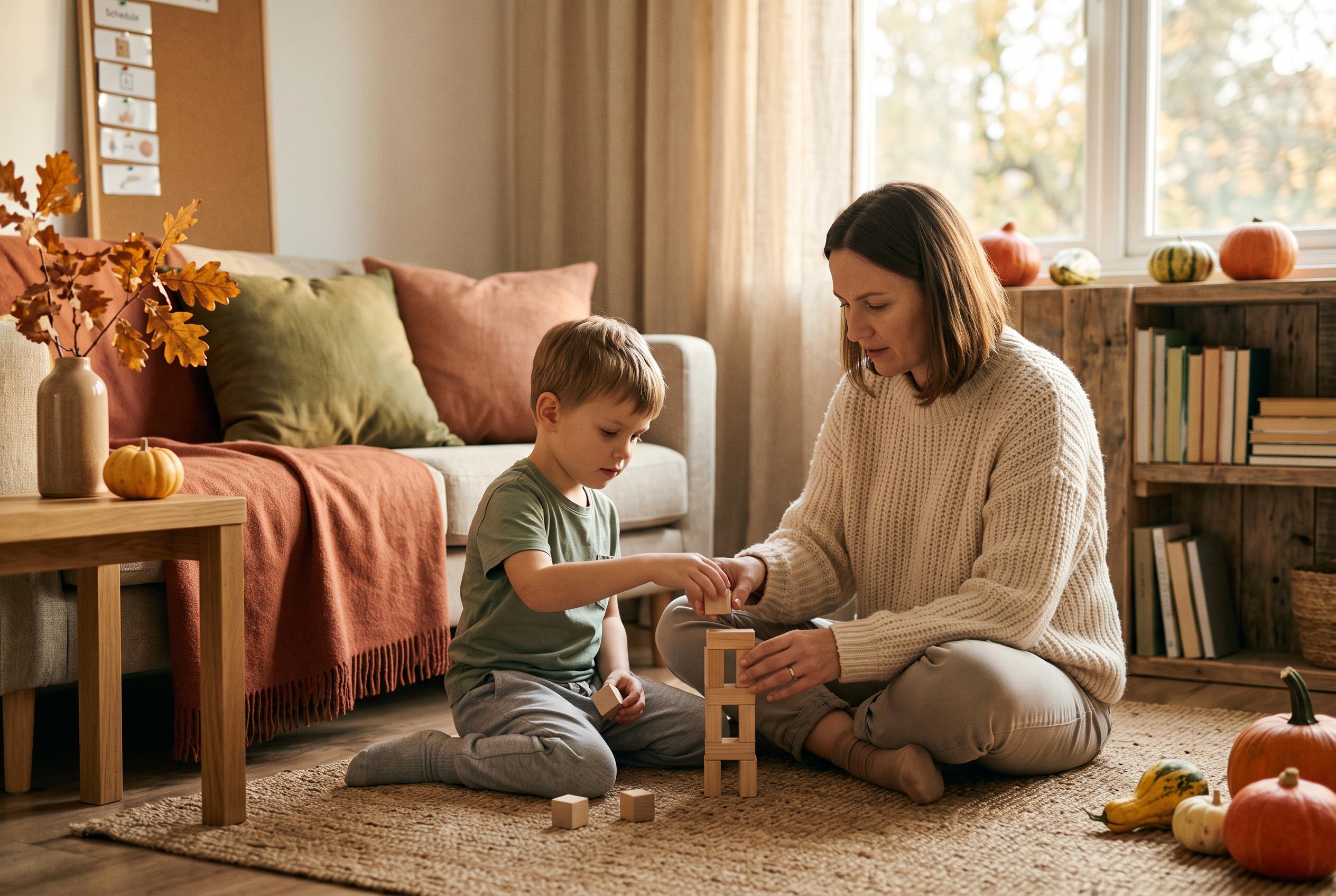

As fall brings colourful changes and busy festivals, parents can ease transitions for neurodivergent children with early planning, predictable routines, and sensory-friendly options, ensuring a safe and enjoyable season tailored to their needs.
Fall can be a season of excitement for families, but for neurodivergent children it can also bring a cluster of changes that are hard to manage at once. Cooler weather may mean new clothes, while festivals, fairs and pumpkin patches can add crowds, noise, strong smells and unfamiliar routines. The Centers for Disease Control and Prevention says autism can involve unusual reactions to sensory input and distress over minor changes, making this time of year especially demanding for some children.
One of the most helpful steps parents can take is to prepare early. The CDC advises that children often do better when routines are consistent, predictable and explained calmly. Families can use books, social stories or photos to show what autumn looks like, what people wear and how seasonal activities differ from summer. Introducing jackets, hats or layered clothing before they are needed can also ease resistance, especially when children are allowed to handle new textures gradually and make simple choices.
Planning ahead can matter just as much for outings. PBS KIDS recommends visual schedules and reminders to help children move between activities, while research cited in the National Center for Biotechnology Information shows that visual supports can reduce anxiety by making unfamiliar situations more understandable. That may include showing a child pictures or videos of a festival, talking through likely sounds and crowds, and agreeing in advance on an exit plan, headphones or a comfort item if things become too much.
That kind of preparation is increasingly supported in public venues. KultureCity says it has certified more than 3,000 sensory-inclusive locations worldwide and provides tools such as sensory bags, noise-cancelling headphones and quiet spaces for participating families. Those options can make a major difference, but experts and advocates also stress that participation should remain optional. If a child needs to leave early or wants to skip an activity altogether, that should be treated as a successful response to their needs rather than a failure to join in.
Keeping familiar routines in place can also reduce stress. The CDC says structure helps children know what to expect, and research has found that uncertainty can affect both autistic children and their families. That means preserving bedtime routines, familiar snacks, visual schedules, timers and other supports even during seasonal events. Small adjustments, such as visiting a pumpkin patch at a quieter hour or taking a short walk to see the changing leaves, may offer a better experience than a packed day out.
For parents and carers, the larger lesson is that a good autumn does not have to look the same for every child. A successful season may be one in which a child feels safe, understood and included, even if that means shorter visits, smaller outings or quieter celebrations at home. The aim is not simply to get through the change in season, but to help children enjoy it in ways that fit who they are.
Disclaimer: This content is for informational purposes only and is not intended to be a substitute for professional medical judgment, advice, diagnosis, or treatment.