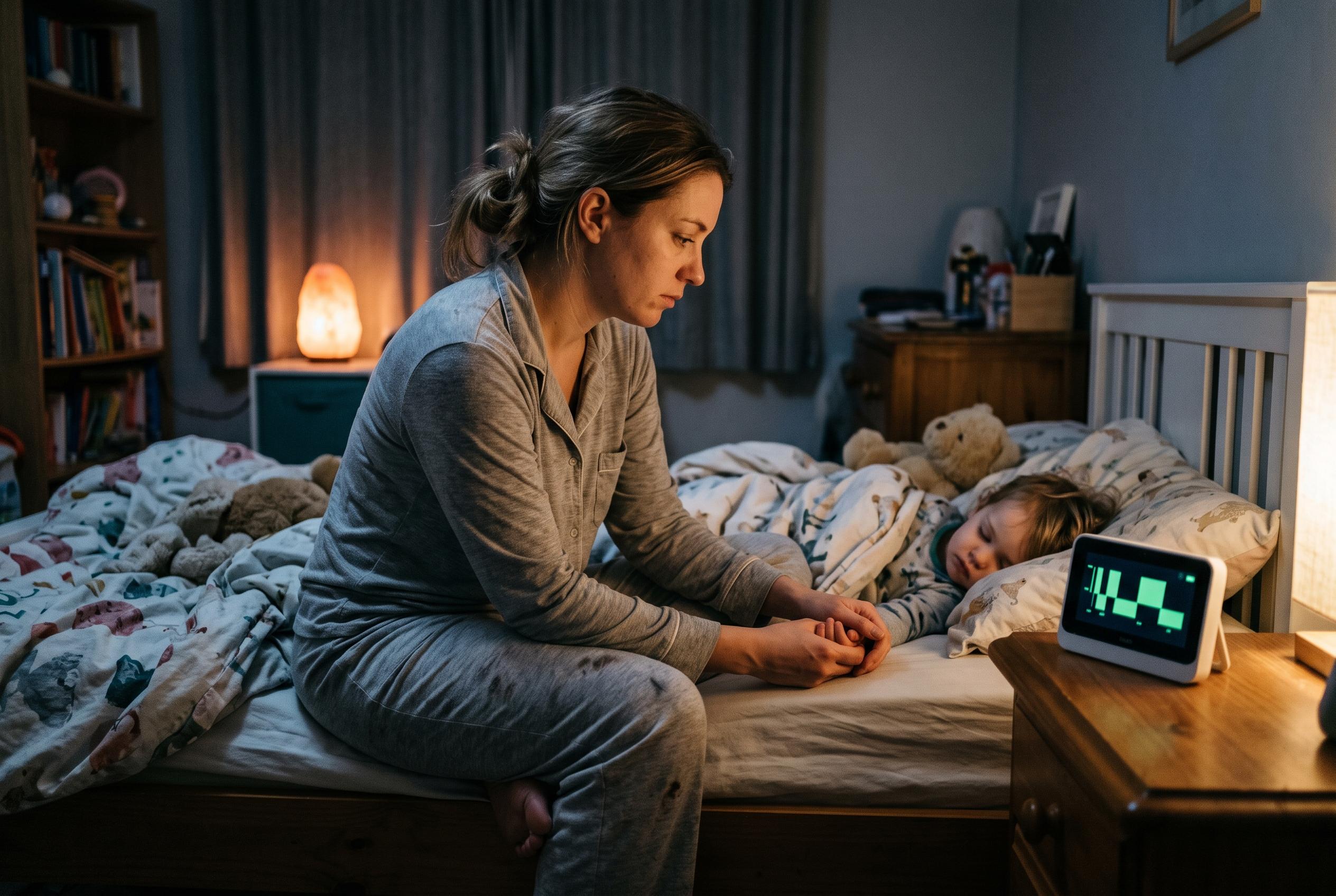

Short-term sleep deprivation can mimic ADHD relapse symptoms, highlighting the importance of proper sleep assessment and habits to distinguish between exhaustion and genuine treatment needs.
Sleep debt can make ADHD look as if it has suddenly worsened, when the real problem may be exhaustion. A few short nights can leave people struggling with concentration, memory, impulse control and mood in ways that closely resemble a relapse, according to the Envision ADHD post. That overlap matters because it can tempt people to change medication or routines before checking whether sleep loss is the real cause.
The link between ADHD and sleep is well established. The Sleep Foundation says people with ADHD are more likely to deal with insomnia, restless legs syndrome and disrupted body clocks, while some ADHD medicines can also affect sleep. Medical News Today makes a similar point, noting that the relationship runs in both directions: ADHD can make sleep harder, and poor sleep can intensify ADHD symptoms. In practice, that means a rough patch may be less about treatment failure than a temporary decline in brain function from not getting enough rest.
Sleep loss can hit executive function especially hard. That is the mental system that helps with planning, working memory, self-control and task switching. When it is weakened, everyday responsibilities can start to feel unmanageable. The result may look like classic ADHD disorganisation, but the trigger may be burnout, stress or a disrupted sleep schedule rather than a true change in underlying symptoms.
Several simple habits can help. Healthline recommends a steady bedtime routine, avoiding stimulating activities before sleep and cutting back on screens at night. Tom’s Guide has also highlighted the value of regular sleep and wake times, bright morning light and using the bedroom only for rest. The Envision ADHD piece adds that melatonin is most useful when timed correctly, usually 30 to 60 minutes before bed, while morning light exposure can help reset the sleep-wake cycle. It also warns that caffeine late in the day and blue light from devices can quietly undermine sleep.
When sleep problems continue, the answer may be a proper assessment rather than another quick fix. The sources note that it can be helpful to review ADHD and sleep together, especially if symptoms change after a stretch of poor rest. For ongoing insomnia, cognitive behavioural therapy for insomnia, or CBT-I, is often recommended as a non-drug treatment. Wearables may also help by showing patterns in sleep duration and disruption, though they are best used as a guide rather than a diagnosis.
Disclaimer: This content is for informational purposes only and is not intended to be a substitute for professional medical judgment, advice, diagnosis, or treatment.