

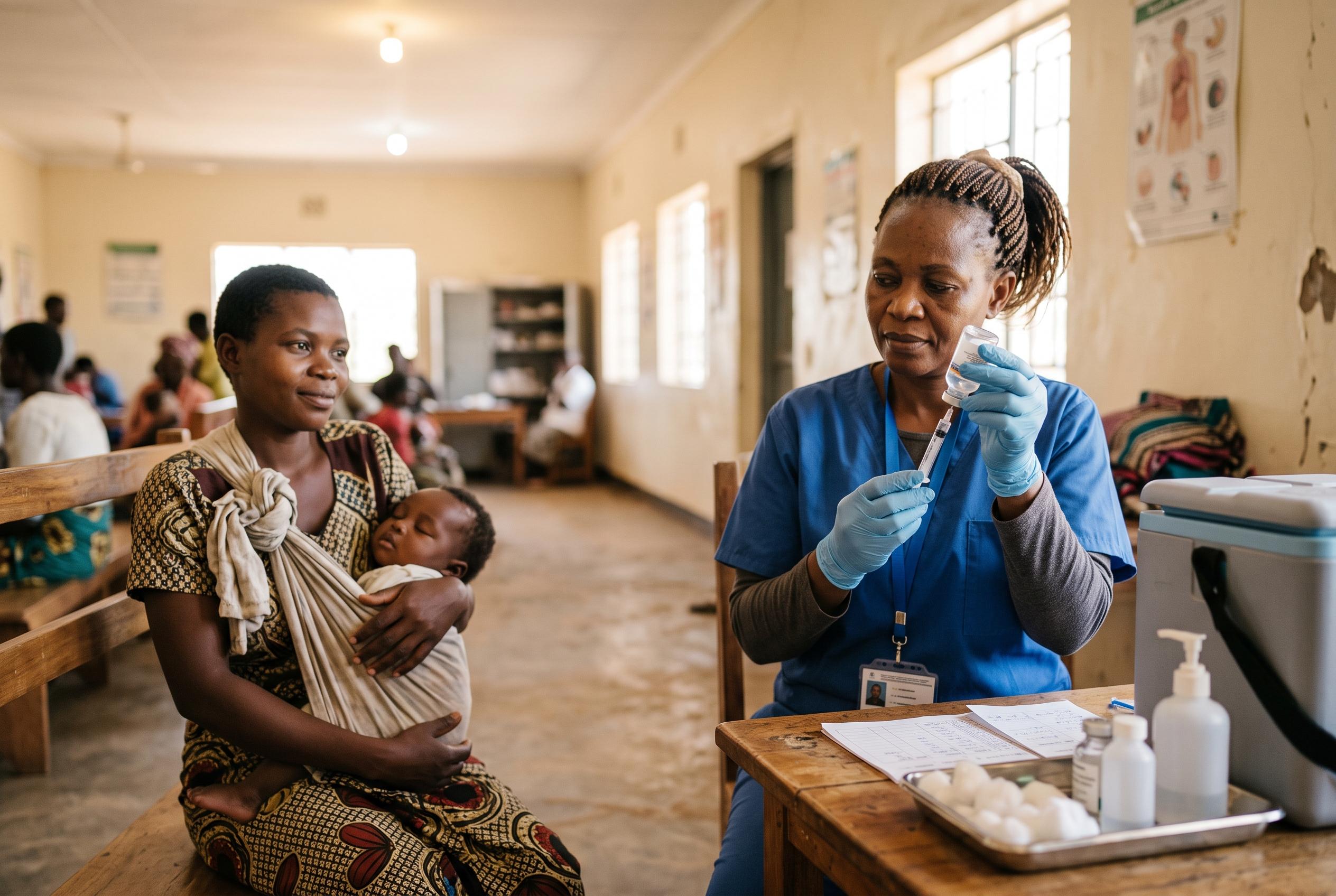

The World Health Organisation has approved a multi-dose vial of Pfizer’s maternal respiratory syncytial virus vaccine, potentially lowering costs and easing distribution in lower-income nations , a significant step forward in preventing RSV-related infant deaths worldwide.
The World Health Organisation has prequalified a multi-dose vial of Pfizer’s maternal respiratory syncytial virus vaccine, a move it says could lower costs and make it easier to deliver at scale, especially in lower-income countries backed by Gavi, the Vaccine Alliance. The decision, announced on 9 September 2026, builds on the agency’s earlier prequalification of a single-dose version in March 2025.
RSV is a major cause of severe respiratory illness in young children, and the WHO says it is responsible for more than 3.6 million hospitalisations and about 100,000 deaths among children under five each year. Nearly half of those deaths occur in babies younger than six months, and around 97% are in low- and middle-income countries, underscoring why the agency and vaccine partners have pushed for broader access.
The maternal vaccine works by prompting antibody production in the pregnant person, with protection passed to the infant before birth. WHO recommends giving RSVpreF in the third trimester, from 28 weeks of pregnancy onwards, so babies have some defence during their first months of life, when they are most vulnerable. The agency also says countries can choose either the maternal vaccine or the monoclonal antibody nirsevimab as part of their national RSV prevention plans.
Gavi welcomed the prequalification, saying the multi-dose format should help routine maternal immunisation programmes reach more women in countries where cost and logistics have slowed adoption. WHO’s immunisation team has said the vaccine, known commercially as ABRYSVO, is approved for pregnant people and older adults, while the single-dose presentation remains on the WHO prequalification list.
Disclaimer: This content is for informational purposes only and is not intended to be a substitute for professional medical judgment, advice, diagnosis, or treatment.



