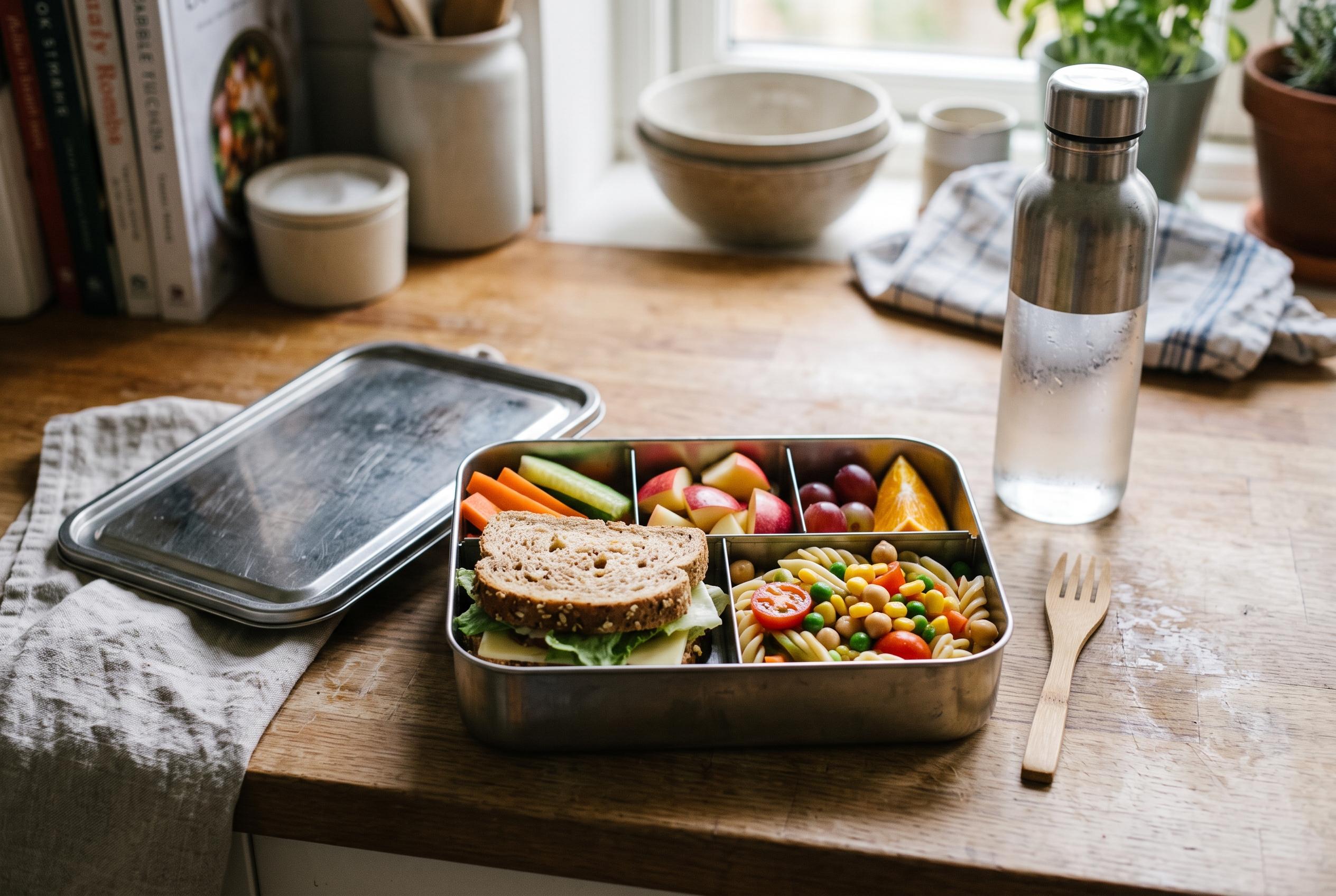

Paediatric nutrition experts emphasise balanced, practical meals over Instagram-worthy lunches, urging parents to focus on fostering healthy eating habits that children can sustain and enjoy.
As the new school term begins, parents often feel pressure to make every lunchbox look as though it has been styled for social media. But Hasret Ayyıldız Civan, a paediatric gastroenterology, hepatology and nutrition specialist at Liv Hospital Ulus, says the goal should not be a perfect-looking meal. It should be a routine a child will actually eat, enjoy and keep up over time. “The perfect menu a child will not eat is not more valuable than a good enough menu a child will eat,” she said.
That message fits with broader advice from the Cleveland Clinic, which recommends building school lunches around a balance of protein, whole grains, fruit and vegetables, alongside sensible snacks. Practical examples include cheese, chicken, seeds, fruit and vegetables, while still allowing room for small treats in moderation. The point, specialists say, is not strict rules but a pattern that supports growth and energy through the school day.
Civan also urged parents not to turn mealtimes into battles. Children have different tastes and habits, and she said it is often better to start with familiar foods before introducing something new in small amounts. A favourite sandwich can slowly be adapted with extra ingredients, while combinations such as fruit with yoghurt, crackers with cheese or vegetables with hummus can offer variety without overwhelming a child. That approach is echoed in lunchbox guides from parenting and food sites, which stress simple pairings, age-appropriate portions and easy make-ahead options.
She added that no single lunch should be treated as a verdict on a child’s diet. Missing fruit one day, leaving part of a sandwich untouched or eating a biscuit offered by a friend does not signal failure. What matters more is the overall pattern: regular exposure to different foods, enough water, and a mix of protein, fruit, vegetables and whole grains. Civan said sugary and ultra-processed foods should not sit at the centre of daily eating, but she also noted that packaged foods are not automatically unhealthy. Content, portion size and how often they are eaten matter more than whether something comes from a packet.
Civan also said healthy eating cannot be built by families alone. Schools shape children’s habits through canteen choices, lunchroom culture and peer behaviour, which makes cooperation between home and school important. In her view, the best lunchbox is not the most elaborate one. It is the one that helps a child feel full, supports growth and development, and can be repeated without stress. Food, she said, is not just fuel, but also part of learning, sharing and everyday life.
Disclaimer: This content is for informational purposes only and is not intended to be a substitute for professional medical judgment, advice, diagnosis, or treatment.