

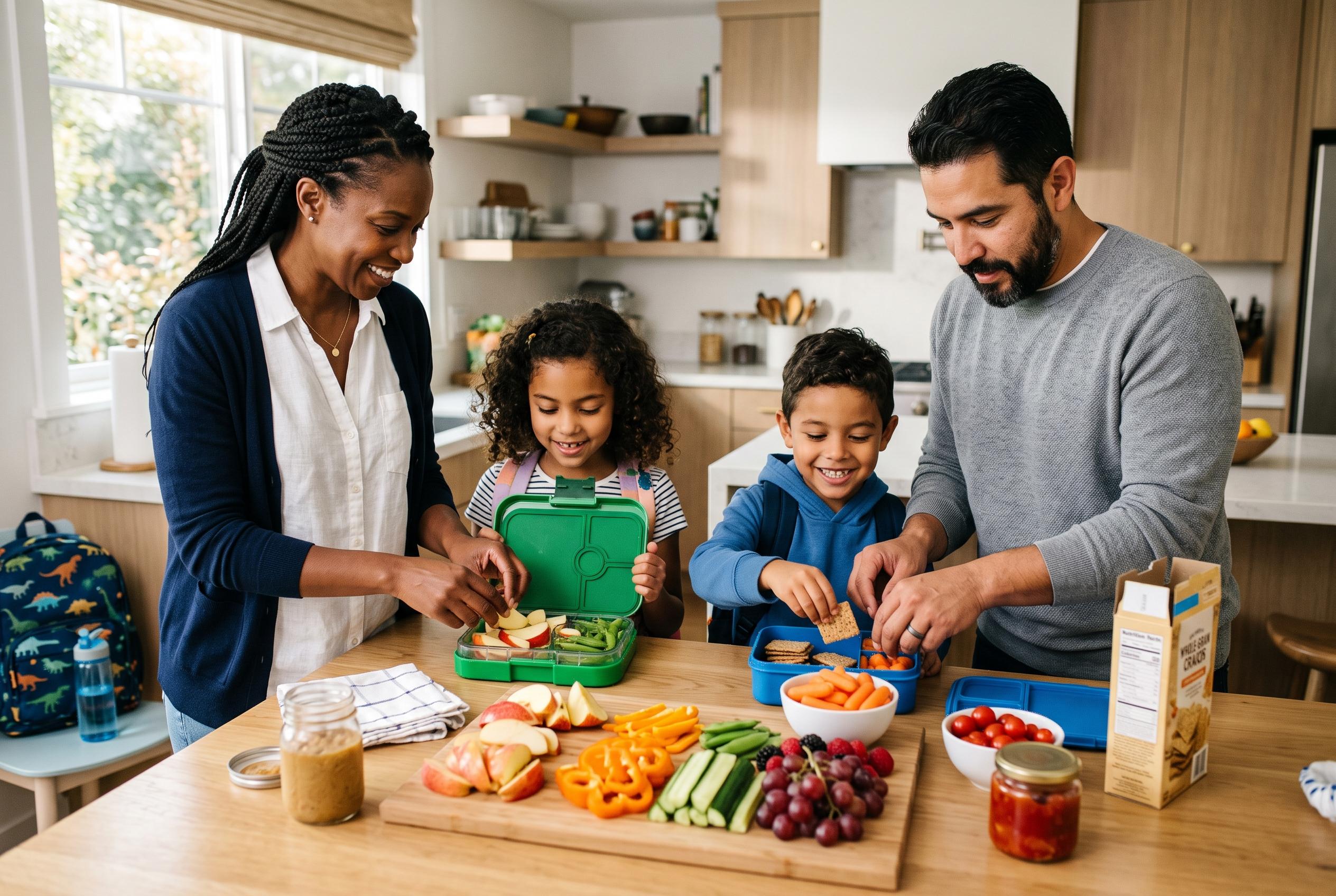

As families gear up for the new school year, registered dietitian Ellie Krieger emphasises using snack time to foster sustainable healthy habits through easy, appealing recipes that blend nutrition with convenience.
The new school year is often a useful prompt for families to reset routines, and Ellie Krieger, a registered dietitian nutritionist and Nourish columnist at The Washington Post, argues that snack time is a practical place to begin. Rather than trying to overhaul every meal at once, she suggests building healthier habits between meals, where small changes can be easier to sustain and more likely to stick.
Krieger’s approach is deliberately flexible. She advises against treating healthy eating as an all-or-nothing exercise, encouraging families to keep prepared options to hand and to avoid snacking so close to dinner that appetites disappear. Johns Hopkins Medicine and HealthyChildren.org offer similar guidance, recommending that snacks combine at least two food groups and that fruit, vegetables, whole grains, dairy and protein be kept readily available to make better choices easier. Seattle Children’s also advises a regular snack rhythm and involving children in choosing and preparing food.
That thinking is reflected in Krieger’s collection of recipes, which aims to make healthier options feel appealing rather than dutiful. The list includes savoury choices such as snack trays with yoghurt-based dip, a cereal mix with chickpea snacks, almonds and pumpkin seeds, and egg bites with vegetables and cheddar. There are also sweeter options, including whole-wheat blueberry muffins, a peanut butter and banana smoothie, apple ring treats, strawberry milk and an oatmeal chocolate chip skillet cookie. The recipes are designed to work for children and adults alike, with several suitable for making ahead.
What ties the ideas together is convenience as much as nutrition. The recipes lean on store-cupboard staples, simple preparation and make-ahead techniques, from freezing muffins and bananas to assembling no-bake energy balls. The USDA’s MyPlate Kitchen similarly promotes snacks that are easy to prepare and visually fun, underlining a broader point: when healthy food is ready, varied and hands-on, families are more likely to reach for it.
Disclaimer: This content is for informational purposes only and is not intended to be a substitute for professional medical judgment, advice, diagnosis, or treatment.



