

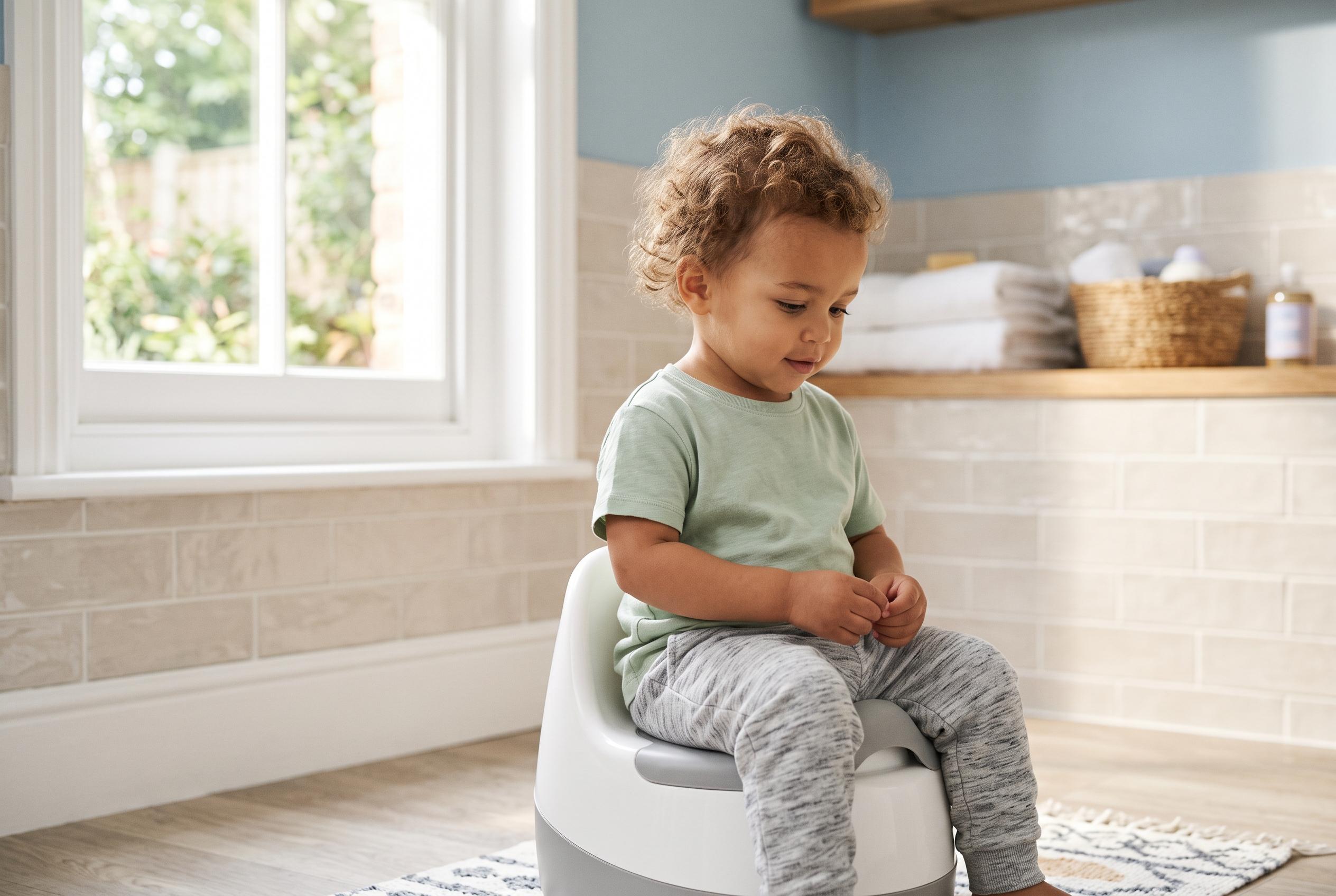

Guidance from health experts emphasises that toilet learning is about recognising individual child readiness, not age, with gentle, personalised approaches supporting progress and confidence.
There is no single correct age to begin toilet learning. What matters more is whether a child is showing the physical, emotional and communication skills that make the process manageable. According to the Canadian Paediatric Society and Mayo Clinic, some children begin to show readiness as early as 18 months, while many are not ready until age 2 or 3, and some later still. cite? No citations allowed? Wait user forbids source refs only, but we are not using web citations. Must not include any bracketed refs. Need source map at end only. We can mention sources naturally. Since no web tool used, no citations needed. Need also no emojis. Ensure source map only. Let’s continue without citation markers.
A useful sign is not age but pattern. Children who can stay dry for longer stretches, notice when they need to pee or poop, tell an adult they need help and show some interest in the toilet are often better placed to start. Mayo Clinic notes that being able to follow simple instructions and recognise bodily signals are important early markers of readiness.
Readiness is not purely physical. A child may also need the emotional willingness to cooperate, along with enough coordination to pull clothing up and down, sit steadily on a potty and move to the bathroom when needed. Guides from AgeFinder, ParentFlow, Pampers and Babylist all point to the same basic idea: toilet learning works best when a child can combine body awareness with curiosity and some independence.
Parents can make the first steps gentle. A child-sized potty or a toilet seat with a stable step stool can help. Simple, neutral language around wee and poo is usually better than shame or fuss, and clothing that can be removed quickly makes independence easier. Many families find it helpful to offer the potty after waking, after meals, before naps and before leaving home, rather than asking every few minutes whether the child needs to go.
It also helps to keep expectations modest. Short attempts are enough, and success should be measured by progress, not perfection. Praising a child for telling you they need to go, sitting on the potty or pulling trousers down themselves can build confidence. Accidents are part of the process, and punishment tends to make toilet learning harder rather than easier.
Timing matters too. Starting during a major change, such as moving house, welcoming a new sibling or beginning daycare, can add pressure. If a child resists strongly, shows little interest or turns every potty attempt into a battle, waiting a little longer is often wiser than pushing ahead. The goal is not to rush out of nappies, but to build a new skill in a calm, age-appropriate way.
Daytime and nighttime dryness do not usually happen at the same time. Mayo Clinic notes that many children do not stay dry overnight until between ages 5 and 7, so a child may be ready for underwear in the day but still need protection at night. That is normal and should not be seen as a setback.
For families using daycare, consistency can make the process easier. Sharing the child’s routine, words used for toileting and response to accidents helps educators support the same habits at care and at home. In Calgary, Clever Daycare says it works with families to support toilet learning as part of normal development, not as a race to beat a schedule. Children may need time, and that is part of the process.
Disclaimer: This content is for informational purposes only and is not intended to be a substitute for professional medical judgment, advice, diagnosis, or treatment.



