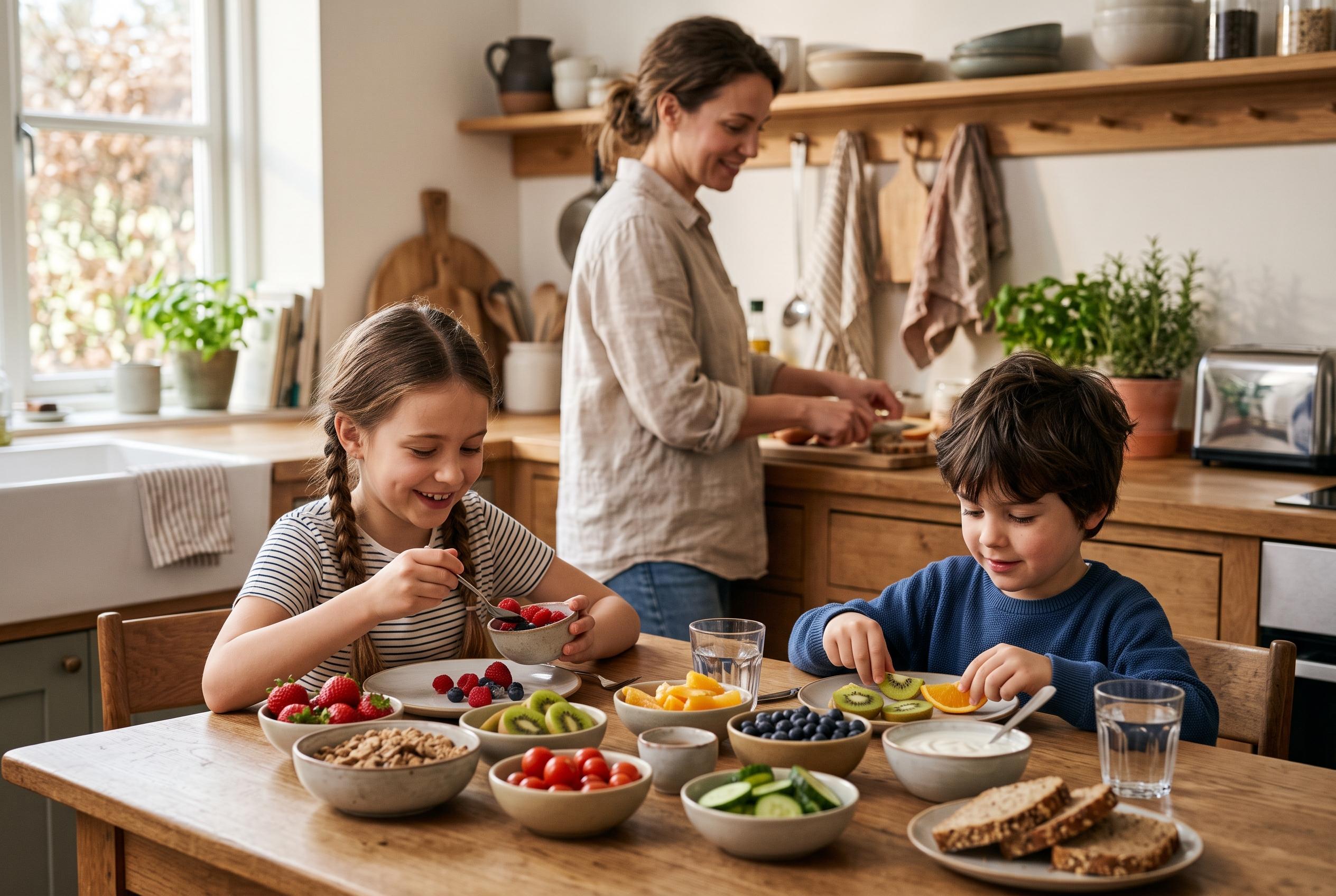

Research suggests that rethinking how foods are presented and empowering children with decision-making can significantly improve their eating habits, challenging traditional approaches to healthy eating.
Parents who want their children to eat better may not need a new rulebook so much as a new way of thinking, according to Michal Maimaran of the Kellogg School. Her research suggests that the same marketing tactics that make sweets and snacks appealing can also be used to make healthier foods more acceptable to children over time.
One lesson is that the goal should not always be an immediate healthy choice. Maimaran argues that repeated exposure matters more than one-off wins. If children see broccoli, carrots or other nutritious foods regularly, they are more likely to come to accept them, even if they do not choose them every time. The Centers for Disease Control and Prevention gives similar advice, recommending that parents serve new foods alongside familiar favourites and try them repeatedly in a positive setting.
Another point is that children need practice making food choices for themselves. Maimaran says parents can help them build self-control by allowing some room for decision-making, rather than always imposing the healthy option. The CDC and Johns Hopkins Medicine both advise involving children in meal planning and preparation, which can make them more engaged and more willing to try what is served. Behavioural medicine experts also stress the value of clear, supportive communication rather than pressure.
Maimaran also says the way choices are framed can shape behaviour. Asking children to pick snacks for the whole week at once may lead to a broader and healthier mix than asking them to choose one item at a time. That reflects a wider finding in nutrition guidance: small changes in structure, presentation and routine can influence what children eat. Healthline and Cleveland Clinic both note that visually appealing meals, healthy snacks and a calm mealtime environment can help reduce resistance, especially with picky eaters.
The same thinking applies beyond the dinner table. Maimaran warns that children are exposed to a constant stream of food messages online and offline, from parents, teachers, peers and influencers. The CDC recommends limiting screen time and modelling healthy behaviour at home, while Maimaran urges open conversations about what children see on social media and why some posts are paid promotions. In her view, helping children question those messages is part of helping them make better choices.
Disclaimer: This content is for informational purposes only and is not intended to be a substitute for professional medical judgment, advice, diagnosis, or treatment.