
The fitness coach and cookbook author reveals how his low-income upbringing shaped his advocacy for healthier home-cooked meals and highlights his latest cookbook aimed at making nutritious family meals accessible and appealing.
Joe Wicks has built a career on encouraging families to eat better and move more, but he says that message comes from personal experience as much as professional conviction. The fitness coach and cookbook author has described his own childhood diet as overwhelmingly made up of ultra-processed food, saying his family’s financial situation and lack of cooking knowledge meant convenience foods were often the only option.
Wicks, who is now 40, said he grew up on benefits in a low-income household where there was little money for fresh ingredients. He has said that left him with habits he still notices today: once he starts eating highly processed foods, he finds moderation difficult. That early experience, he argues, helps explain why he is so outspoken now about the way such foods are marketed to children and how hard they can be to resist.
His concerns have widened in recent years, especially after making a Channel 4 documentary with scientist Chris van Tulleken on ultra-processed foods. Wicks said the reaction to that programme was bruising, with criticism coming from across the health and fitness world, but he believes it helped push more people to look closely at ingredient lists and the wider health debate. He has also said the programme left him disappointed that he never heard back from government after it raised the question of whether warning labels should be considered for some products.
Wicks’s latest cookbook, Healthy Start, is aimed squarely at families trying to make home cooking easier and more appealing to children. According to the book’s publisher listings, it contains more than 80 recipes and is organised around simple, family-friendly meals. Wicks says the point is not to ban treats altogether, but to make fresh food the default in the home, so that children grow up seeing it as normal rather than exceptional.
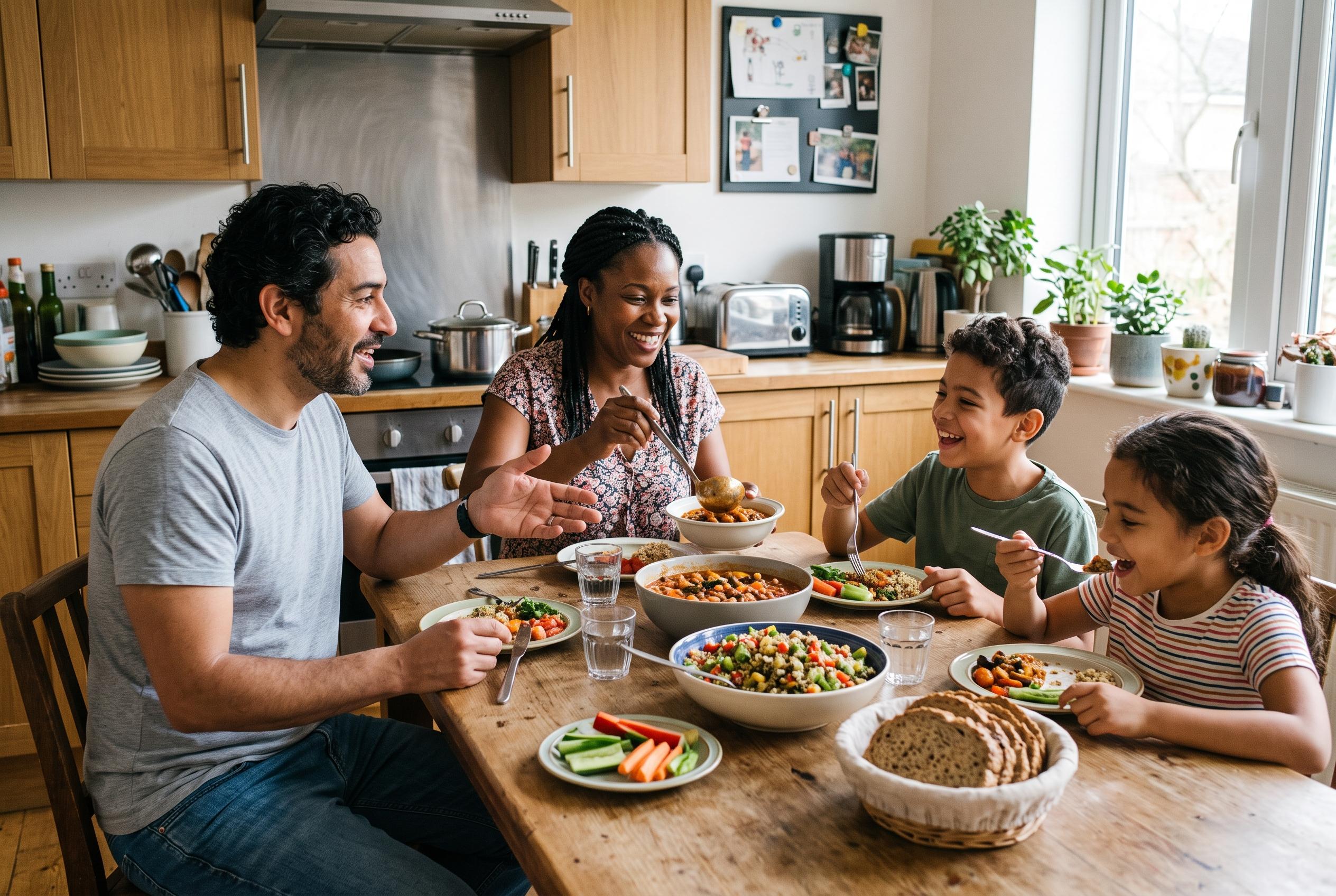
He applies that approach at home with his four children, saying they are not fussy eaters because they have been exposed to a wide range of foods from an early age. Rather than preparing separate meals, he sticks to a single dinner for everyone and encourages his children to help in the kitchen. He describes cooking as a core life skill and says learning it early can shape a child’s diet, independence and confidence well into adult life.
That practical philosophy runs through the recipes in the book, which include dishes such as cheesy smashed beef quesadillas, Thai red curry with prawns and beetroot falafel burgers. The recipes are built around accessible ingredients and bold flavours rather than the muted, one-note meals often associated with children’s menus. Wicks argues that if families fill the kitchen with straightforward, nourishing food, then healthy eating becomes less of a battle and more of a habit.
Disclaimer: This content is for informational purposes only and is not intended to be a substitute for professional medical judgment, advice, diagnosis, or treatment.