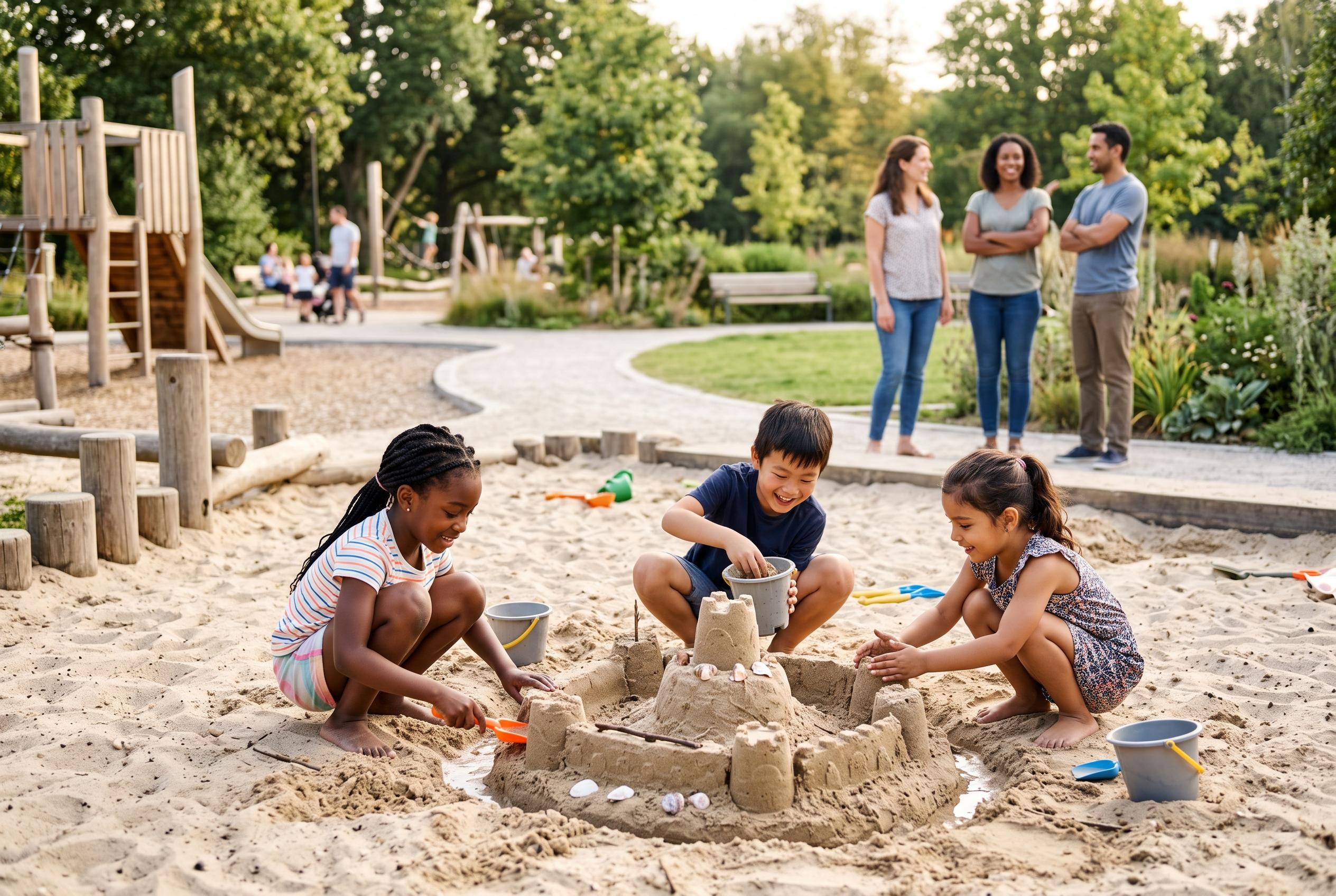

Experts emphasise the importance of fostering social confidence in children through low-pressure opportunities and modelling warmth, recognising that friendship building is a skill developed over time rather than an immediate quest for a ‘best friend’.
Many parents quietly hope their children will find one close, durable friend, the sort of companion who seems to turn ordinary childhood into something memorable. But friendship does not always arrive in that neat, familiar form. According to Defector’s advice column, the real issue may be less about whether a child has a “best friend” and more about whether they are comfortable, connected and steadily building social confidence.
That distinction matters because friendships do more than fill the calendar. Guidance from the Kids Mental Health Foundation says peer relationships can help protect children from loneliness and low mood, while Cleveland Clinic notes that social skills are a developmental asset in their own right. In practice, that means parents can support friendship-building without trying to engineer a perfect pairing.
Experts often recommend small, practical steps rather than pressure. Children’s Health advises parents to create low-stakes opportunities for in-person interaction, while Penn State PRO Wellness suggests modelling warmth, teaching social skills and giving children repeated chances to practise them. Those approaches recognise that making friends is a skill as much as a feeling, and one that many children develop gradually.
The emotional challenge for parents is that friendship worries often mix with their own memories. A parent who had one intense childhood bond may assume that is the ideal, when a child may be happier with a wider circle of decent, reliable friends. Some children are shy, some need longer to warm up, and some simply prefer looser connections. Developmental differences can also shape how children relate to others.
For a sensitive child, the best response is usually gentle curiosity rather than alarm. If the subject comes up, parents can talk openly about their own experiences while making room for their child’s preferences and temperament. The goal is not to force a best friend into existence, but to keep making it easier for friendship to happen. In the meantime, a child who reads, explores and moves through the world with confidence is not missing everything, even if the social picture is still taking shape.
Disclaimer: This content is for informational purposes only and is not intended to be a substitute for professional medical judgment, advice, diagnosis, or treatment.