
As children encounter distressing news more frequently through screens, iconic programmes like Sesame Street and Arthur have demonstrated the importance of honest reassurance and age-appropriate support to help them process fear and grief.
Children cannot be kept entirely away from frightening news, but adults can help them make sense of it. That is the central lesson drawn from the way “Sesame Street”, “Arthur” and “Zoom” responded to the Sept. 11 attacks, offering age-appropriate reassurance rather than silence. Two decades on, with children now encountering distressing images across phones, tablets and television, the need for calm explanation is even greater.
The essay’s author recalls a back-to-school moment when a young son drew an aircraft hitting the World Trade Centre and later said he did not remember the attacks themselves, only his mother crying. That memory, she argues, shows how children absorb not just events but the emotional reactions surrounding them. Research by psychologist Joanne Cantor has long found that children’s fears vary by age, with younger children especially vulnerable to stories about disasters and harm to people or animals. More recent studies have found that accidental exposure to news can leave a lasting impression, that repeated violent images can harm mental health, and that children in many countries reported feeling afraid during the Covid pandemic.
In the weeks after 9/11, children’s television took a carefully calibrated approach. According to the account from “Sesame Street” producer Lewis Bernstein, the show’s existing scripts were already written, but the creative team worked with experts to add material that acknowledged children’s fears without naming the attacks directly. One episode used a fire at Hooper’s Store to address alarm, sirens and protective gear, with a firefighter named Bill guiding Elmo through what was happening and how to respond. “Arthur” followed a similar path with a school fire that let its characters react in different ways, giving young viewers language for confusion, fear and recovery.
For slightly older children, “Zoom” went further by giving children space to speak for themselves. In a special episode aired just days after 9/11, the cast discussed their own feelings and also suggested constructive ways to help, including donations and other forms of community support. A later episode revisited the subject, including viewer letters from children affected by anti-Muslim abuse and a segment about a girl in lower Manhattan using art and activism to cope. As the Independent and other outlets have noted, these programmes were not trying to explain away tragedy so much as model how children might live through it.
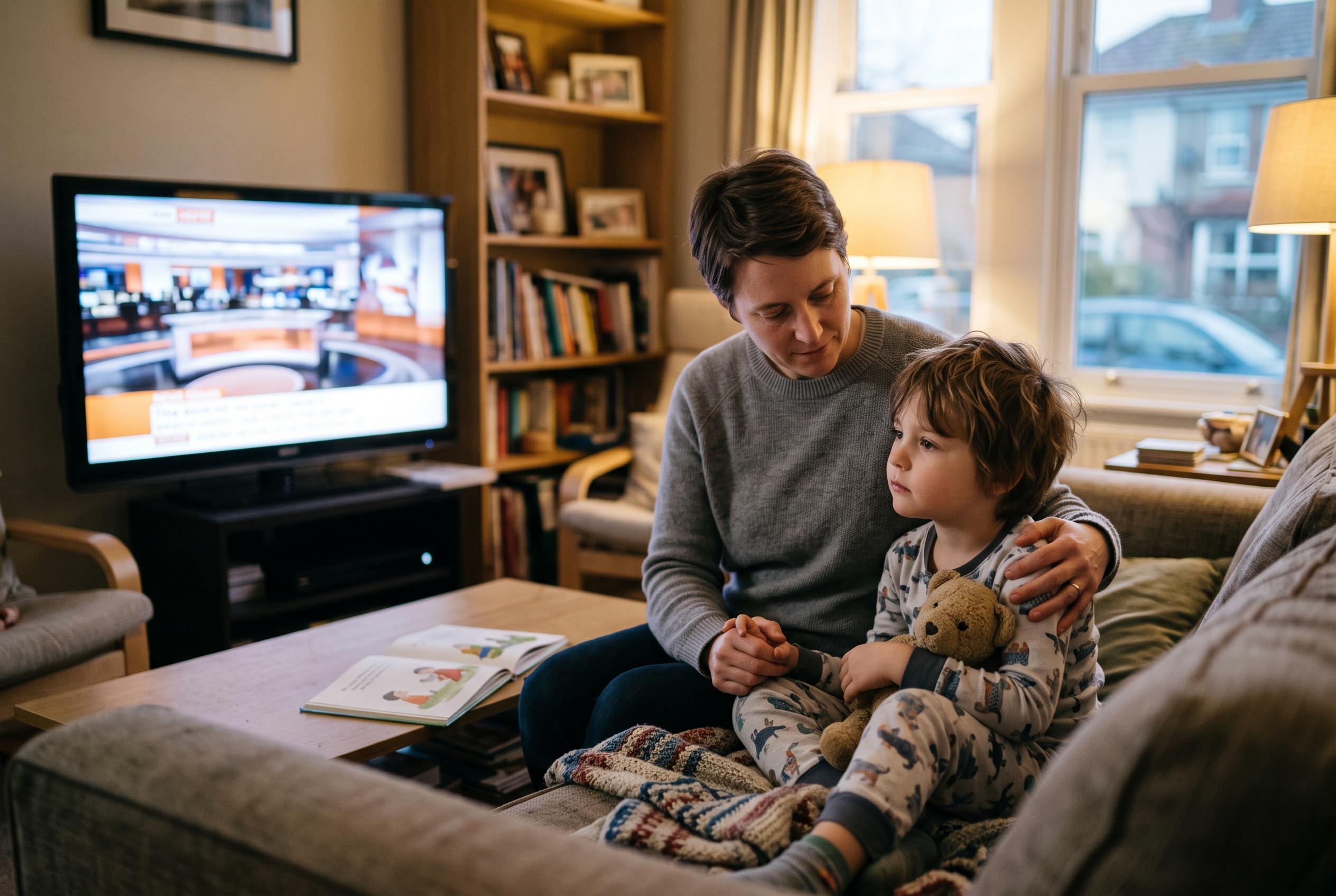
The wider message for parents is that honesty usually works better than shielding. Children still encounter distressing news, but they also notice adult cues, even when adults try to hide their worry. Experts recommend watching for signs of anxiety such as sleep problems, avoidance or compulsive doomscrolling, then answering questions plainly without unnecessary graphic detail. With younger children, reassurance, play and drawing can help; with older ones, context, facts and a chance to act, whether through journalling, art or volunteering, can restore a sense of agency. The hardest but perhaps most important lesson is that children often need help not just with the facts of a crisis, but with the feelings it stirs up.
Disclaimer: This content is for informational purposes only and is not intended to be a substitute for professional medical judgment, advice, diagnosis, or treatment.