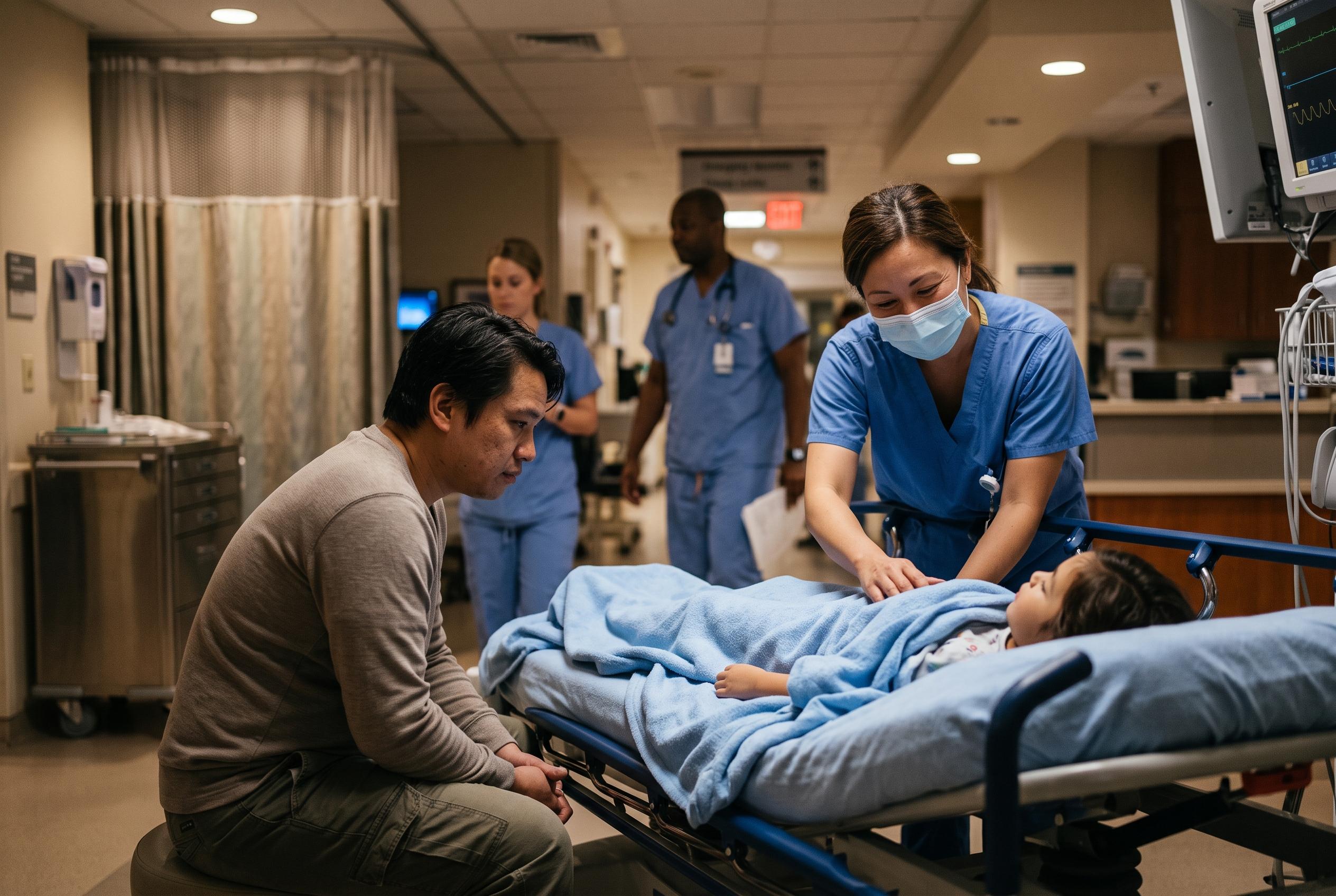

A study reveals a 74% surge in emergency visits related to youth suicide amidst the COVID-19 pandemic, exposing gaps in hospital preparedness and calling for targeted improvements in paediatric mental health services.
Children’s emergency department visits for suicide-related crises rose sharply in the years before and during the COVID-19 pandemic, according to a study published in the Annals of Emergency Medicine. Researchers found a 74% increase in such visits between 2016 and 2022, alongside a 24% rise in all mental-health-related emergency visits among children aged five to 17.
The study reviewed almost 5.4 million emergency visits tied to mental health over that period. The most common reasons were suicide or self-injury, which accounted for 24% of visits, and depressive disorders, at 23%. The findings suggest that demand for acute mental health care in children has grown substantially, even as many emergency departments remain poorly prepared to respond.
One of the clearest concerns was where children were treated. About half of suicide-related visits, and about half of all paediatric mental-health emergency visits, took place in hospitals that see fewer than 10,000 children a year. In the smallest-volume hospitals, nearly 30% of children with mental health problems were transferred elsewhere, a step that can mean long waits in the emergency department and additional strain for families, according to Jennifer Hoffmann of Ann & Robert H. Lurie Children’s Hospital of Chicago.
Audrey Brewer of Northwestern University said every emergency department needs the tools and staffing to provide evidence-based mental health care, not just large children’s hospitals. The researchers urged more training, better access to paediatric mental health specialists through in-person care or telehealth, universal screening for suicidal thoughts and clearer discharge plans for parents. They also said more research is needed on interventions for children of colour, noting that many existing approaches have not been tested in diverse populations. For urgent help in a mental health crisis, the 988 Suicide & Crisis Lifeline is available 24 hours a day.
Disclaimer: This content is for informational purposes only and is not intended to be a substitute for professional medical judgment, advice, diagnosis, or treatment.