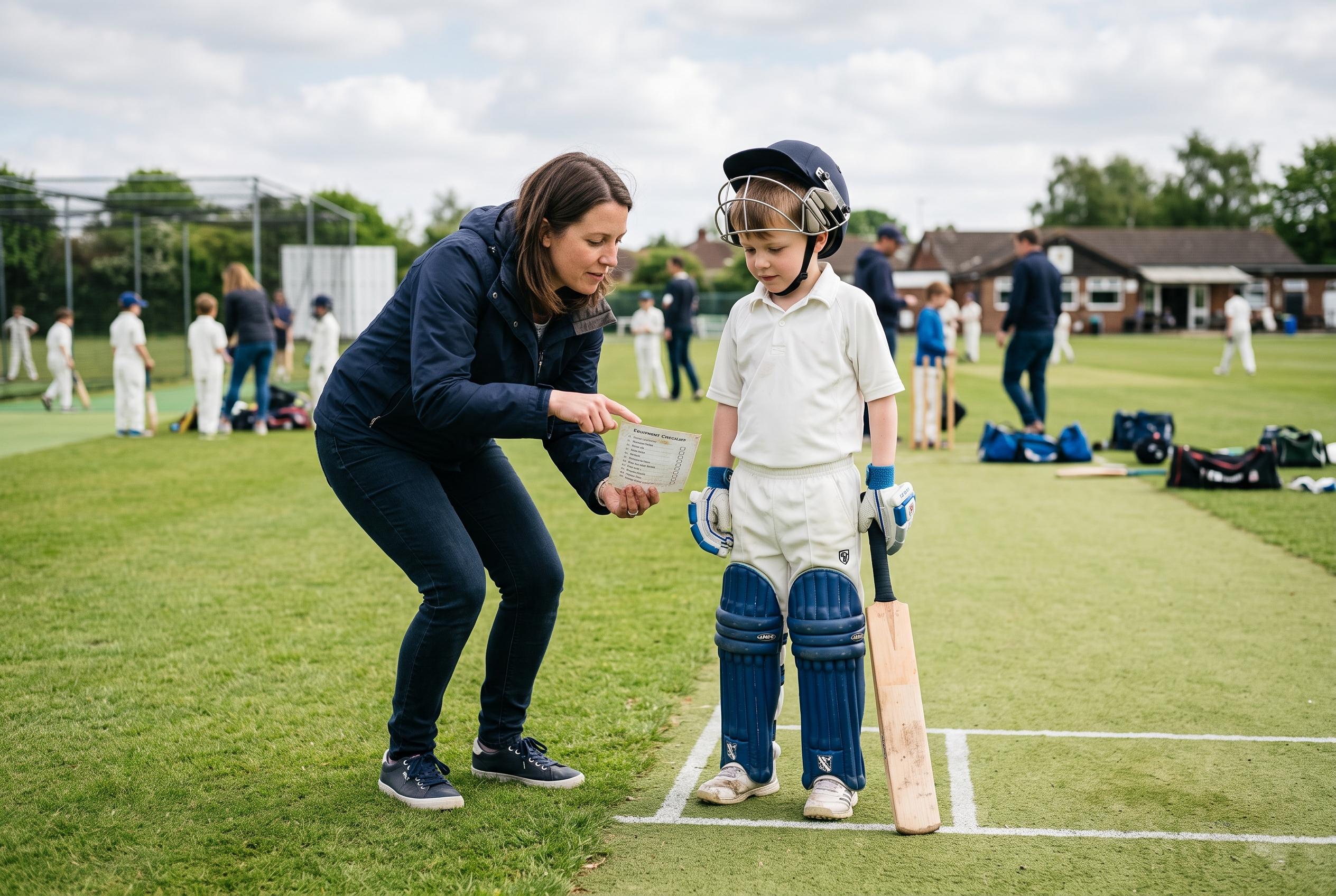

Parents are advised to clarify what gear their children need for different cricket programmes, considering format and safety, to ensure a smooth start and continued enjoyment in the sport.
Before buying a single bat or pad, families are usually better off asking the coach one simple question: what does the programme supply, and what must players bring? In youth cricket, the answer can vary widely. Some introductory schemes hand out gear as part of registration, while others expect parents to arrive with a full kit. The biggest distinction is not age but format. A child taking part in a soft-ball session may need little more than comfortable clothes and a drink. Once a hard ball is involved, protection becomes essential.
That flexibility reflects the way cricket is introduced to children. The England and Wales Cricket Board says the sport can be adapted for parks, gardens, streets and beaches, and its beginner materials cover everything from casual games to club cricket and tape-ball play. For younger children, formats such as Kwik Cricket have long used lightweight plastic equipment to keep the game simple and inclusive, while newer programmes, including All Stars Cricket, are designed to give five- to eight-year-olds a first taste of the sport in short, fun sessions.
The bat is often the first item parents think about, but size matters more than age. Junior bats are typically sold in numbered sizes, followed by Harrow and then adult models, yet there is no single official sizing standard. Manufacturer charts do not always agree, so the most useful guide is practical: the bat should sit comfortably beside the child and be light enough to swing with control. An oversized bat may seem like a way to save money, but it can affect technique and make the game harder to learn.
Parents should also understand the ball their child will be facing. Broadly speaking, beginner programmes may use soft training balls, tennis balls or tape balls, while traditional hard-ball cricket uses the leather ball that requires proper safety gear. In some programmes, the transition is gradual; in others, children move into hard-ball cricket quickly. That is why families should ask not just what the child needs for the first lesson, but what the season will look like if they continue.
When hard-ball cricket begins, helmets, batting pads and gloves are no longer optional extras. The ECB’s guidance for under-18s is clear that a helmet with a faceguard should be worn when batting against a hard ball in matches and practice, and young wicketkeepers should also protect their faces when standing up to the stumps. The board also says junior players should wear helmets tested for junior-sized balls, not just senior ones, and that fit is crucial. A helmet that shifts when the child moves is not doing its job. For boys, an abdominal protector is also part of standard batting protection under that guidance.
Clothing and footwear are usually simpler. At the start, ordinary sportswear and trainers are often enough, though indoor venues may ask for non-marking soles and regular outdoor play may eventually justify cricket shoes. Some clubs and camps provide bats, balls and even full beginner packs. The ECB’s All Stars programme, for example, gives registered children a pack containing items such as a bat, ball, rucksack, water bottle, T-shirt and cap. Even so, the safest approach remains the same: check what the programme provides, what ball type it uses and whether protective gear is needed from day one.
Disclaimer: This content is for informational purposes only and is not intended to be a substitute for professional medical judgment, advice, diagnosis, or treatment.