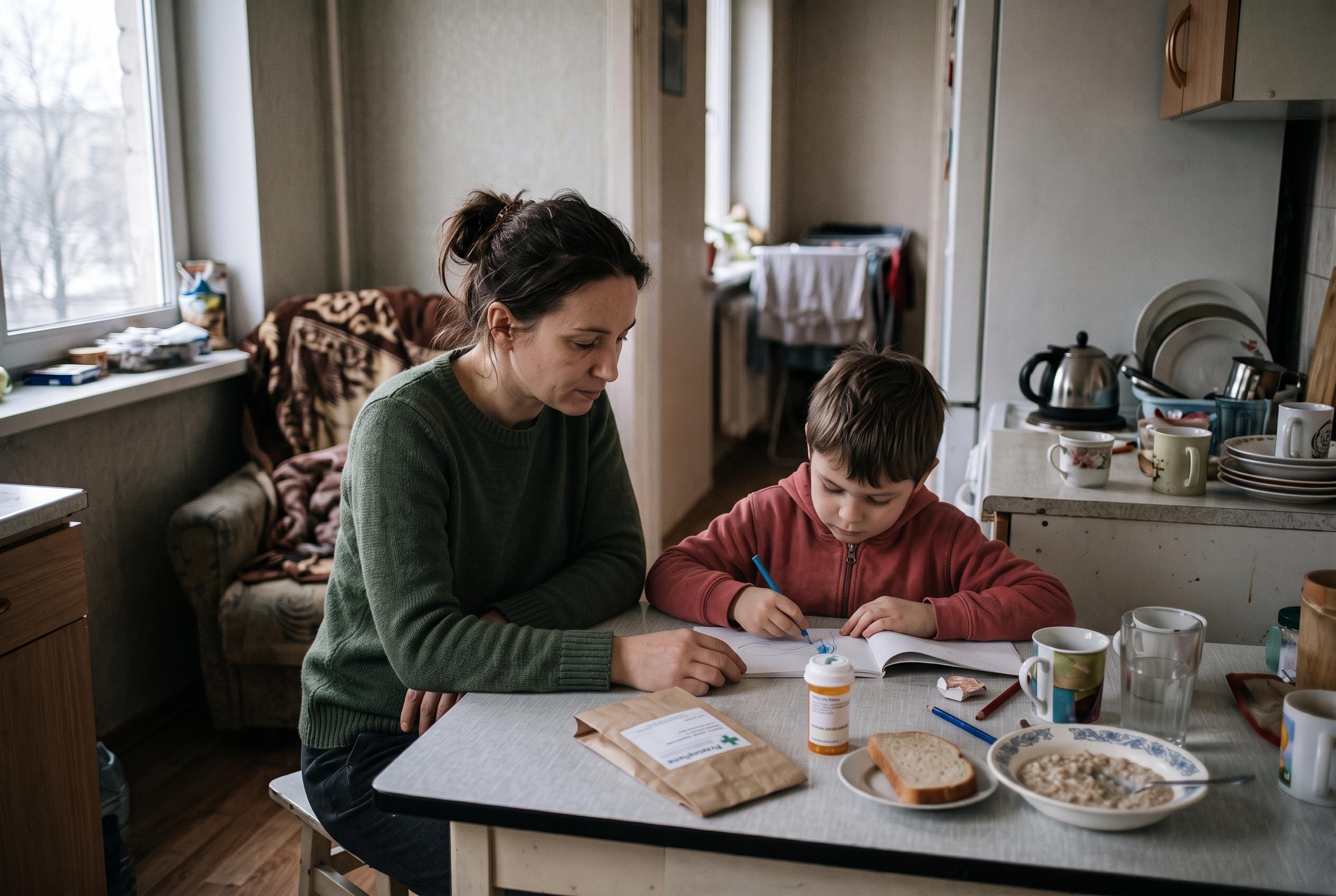

A new report reveals that children from poorer households are nearly twice as likely to face anxiety or depression by age 14, highlighting how local environments and housing conditions strongly influence mental wellbeing and access to support.
Children growing up in poorer households are almost twice as likely to experience anxiety or depression by the age of 14, according to a new briefing from the Centre for Mental Health. The charity says the finding underlines a wider point: children’s mental health is shaped not just by family life, but by the places, services and conditions surrounding them.
The report draws on research from Born in Bradford and the University of York, which links mental health inequalities to poverty, insecure or poor-quality housing, limited access to green space and barriers to culturally appropriate support. The centre says the disadvantages are often concentrated in very small areas, with particularly stark gaps in parts of the North of England and in some rural communities.
It also says children in the poorest families are less likely to be referred for help, even when their need is greater. The barriers are not presented as a lack of willingness to seek care, but as practical and social obstacles such as transport costs, language difficulties, stigma and services that feel unfamiliar or hard to navigate. In Bradford, the report says, children living on neighbouring streets can end up with access to different mental health provision, creating what it describes as a postcode lottery.
Housing problems are another recurring theme. The briefing says damp, mould, overcrowding and long delays to repairs can add stress and isolation, while residents in Bradford and Tower Hamlets identified overcrowding as the biggest local issue affecting mental wellbeing. It also argues that parks alone are not enough: the quality of green space matters, and poor maintenance, litter and antisocial behaviour can keep families away.
The Centre for Mental Health is calling for stronger links between health services, schools, housing teams and other local support, alongside better mental health provision and more culturally responsive NHS services. It also wants communities to stop being labelled “hard to reach”, arguing that services should instead ask what is stopping families from using them and remove those barriers. Andy Bell, the charity’s chief executive, said investing in communities was essential to improving the country’s declining mental wellbeing, while Bernadka Dubicka said children’s mental health cannot be separated from the world they live in.
Disclaimer: This content is for informational purposes only and is not intended to be a substitute for professional medical judgment, advice, diagnosis, or treatment.