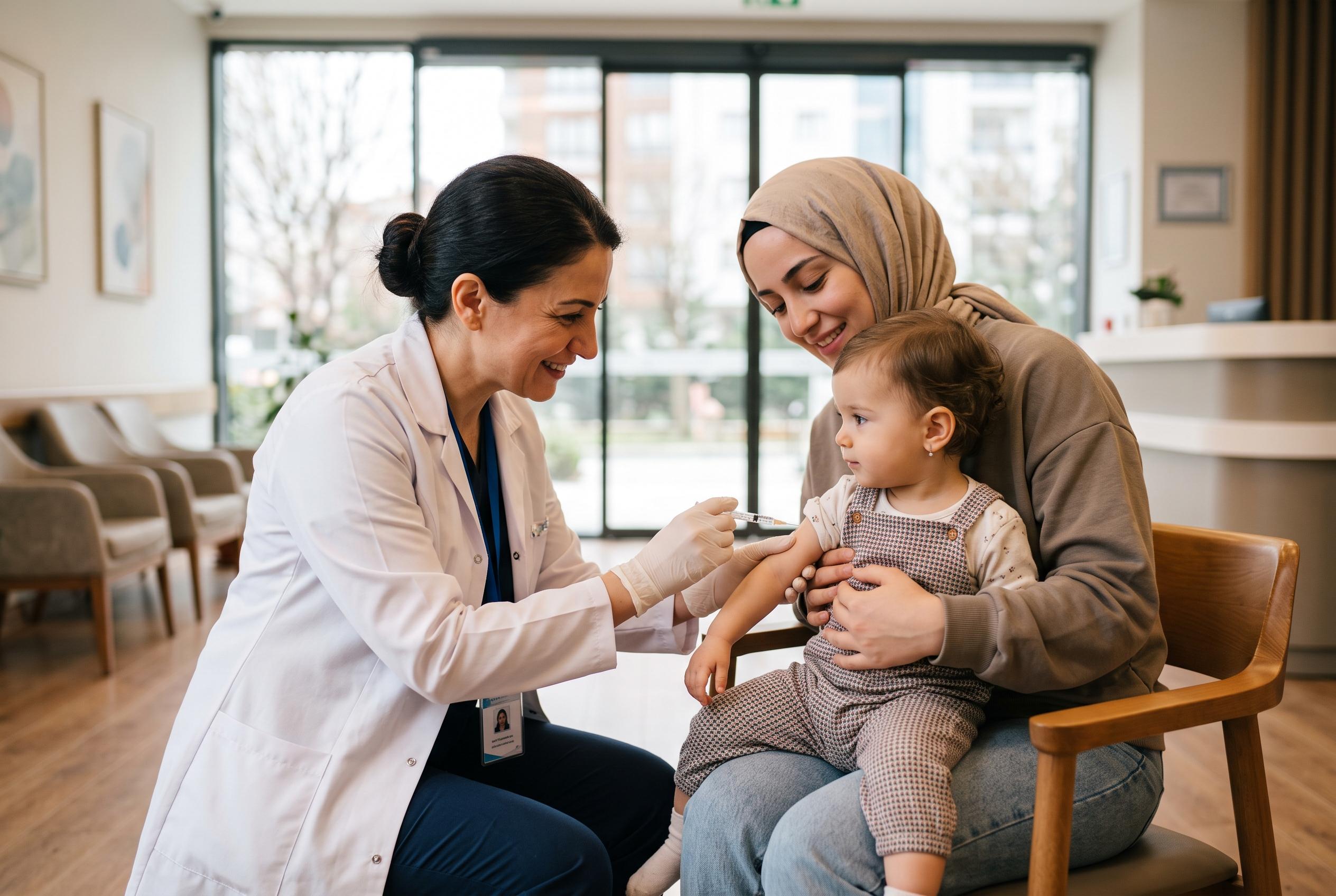

Health experts in Turkey emphasise the importance of a second chickenpox vaccine dose to enhance immunity in children, aligning with international guidelines amid ongoing outbreaks.
Health experts are urging parents to make sure children receive the second dose of the chickenpox vaccine, saying the first dose lowers the risk of severe illness but may not provide complete protection for every child. Biruni University Hospital chief physician and paediatrics specialist Abdullah Sert said the extra dose is intended to strengthen immunity, particularly as children return to close-contact settings such as nursery and school.
According to the hospital statement, Turkey’s Ministry of Health began giving the second dose from 1 September to children who had reached 48 months of age, while also offering catch-up vaccinations for those aged 49 to 72 months who had not previously received it. The update brings the routine schedule closer to guidance used in the US, where the Centres for Disease Control and Prevention recommends two doses of varicella vaccine for children, with the second given at four to six years of age.
Sert said chickenpox is a highly contagious illness caused by the varicella-zoster virus and typically appears as an itchy, fluid-filled rash. He added that children can spread the virus before the rash becomes visible and remain infectious until the lesions have crusted, which helps explain why outbreaks can move quickly through classrooms and childcare centres. He also warned that although many healthy children recover without treatment, the disease can still lead to bacterial skin infections, pneumonia and neurological complications, especially in children with weakened immune systems.
The CDC says the vaccine is generally safe, and a review published in 2020 found that two-dose vaccination was well tolerated. In the hospital statement, Sert said families should check vaccination records and electronic health files to confirm whether the second dose has been given, especially for children aged four to six. He said completing the schedule not only helps protect the child but also reduces virus circulation and helps shield people at higher risk of serious illness.
Disclaimer: This content is for informational purposes only and is not intended to be a substitute for professional medical judgment, advice, diagnosis, or treatment.