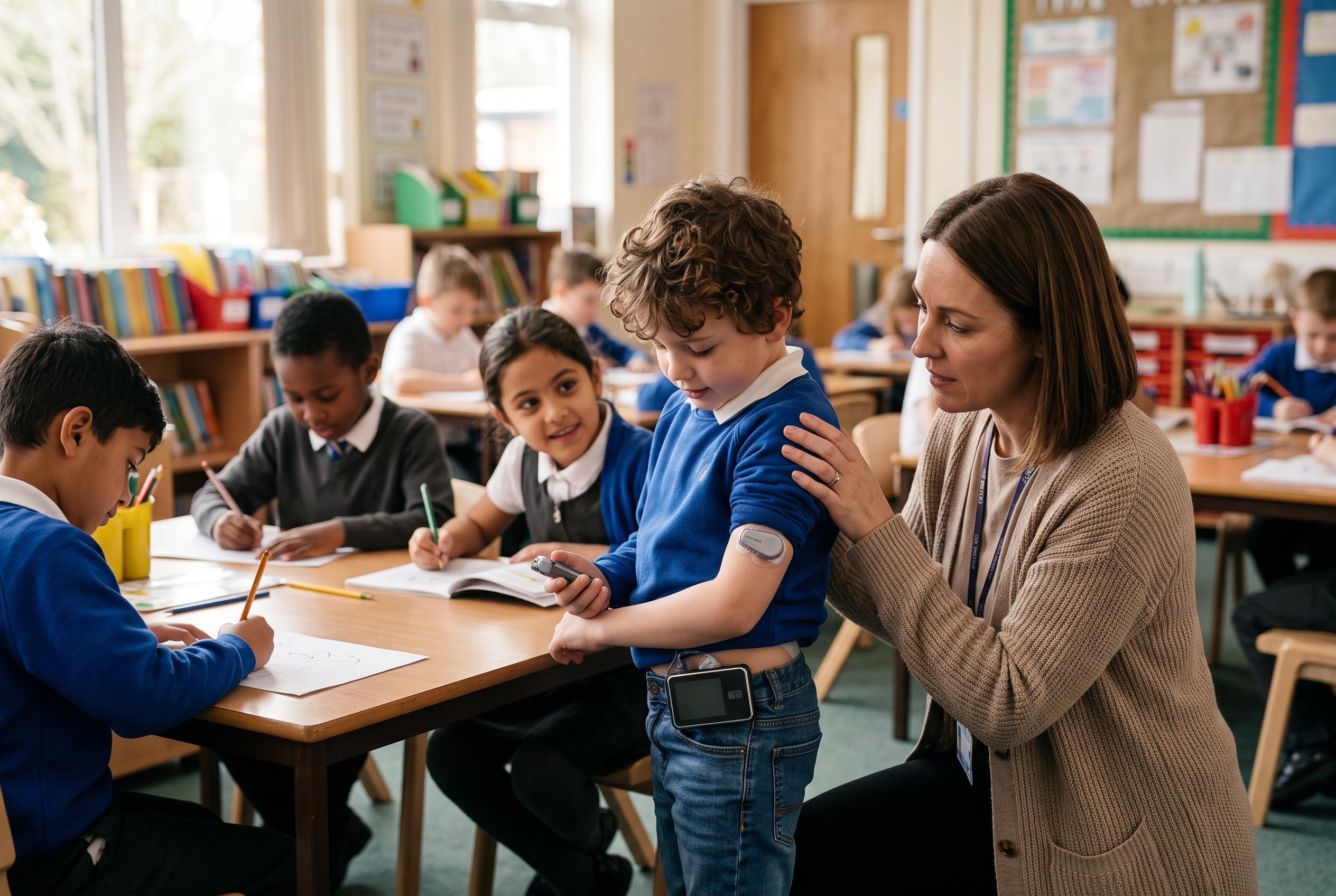

Children with type 1 diabetes face heightened risks of bullying, which can impact their health and well-being. Experts emphasise the importance of awareness, support, and programmes like KiVa to foster safer school environments.
Bullying in school is not the same as ordinary conflict between children. Disagreements, arguments and the occasional fight are part of growing up. Bullying begins when behaviour becomes repeated, one-sided and designed to intimidate, exclude or humiliate a child who has less power to resist.
For children with type 1 diabetes, the risk can be higher because the condition may make them stand out at school. Some children hide their diagnosis, skip glucose checks in class or switch off alarms on monitoring devices so they do not feel different from their peers. That can protect them socially in the short term, but it may also undermine diabetes control and put their health at risk. Research indexed by PubMed has linked diabetes-related bullying with poorer self-management, higher HbA1c levels and more depressive symptoms. Another study found that children with type 1 diabetes reported more relational victimisation and less peer support than healthy classmates.
Bullying can take several forms. It may be physical, such as pushing or hitting; verbal, through insults, nicknames or rumours; psychological, through threats and coercion; social, through deliberate exclusion; or digital, through cyberbullying. Teachers and parents should watch for warning signs such as refusal to go to school, a drop in academic performance, headaches or stomach aches, disturbed sleep, avoidance of breaks or trips, reluctance to talk, sadness or sudden changes in mood.
Specialists quoted in the Diabetes Madrid material argue that a lack of information is often part of the problem. They say classmates and even staff may not understand why a child needs to check blood sugar, eat at unusual times or use insulin. That confusion can feed prejudice. The same source also notes that many children with diabetes do not face bullying at all, which underlines the importance of treating each case individually rather than assuming every child with the condition will be targeted.
Schools can help by normalising diabetes care, informing staff and classmates, and making sure the child feels supported rather than blamed. The article recommends practical steps for children, including staying with others in places where bullying is likely, avoiding confrontation, seeking help from adults and not giving the bully the reaction they want. It also points to the KiVa programme, developed in northern Europe, which focuses on the role of bystanders and encourages classmates to support the victim rather than passively reinforce the abuse.
Disclaimer: This content is for informational purposes only and is not intended to be a substitute for professional medical judgment, advice, diagnosis, or treatment.