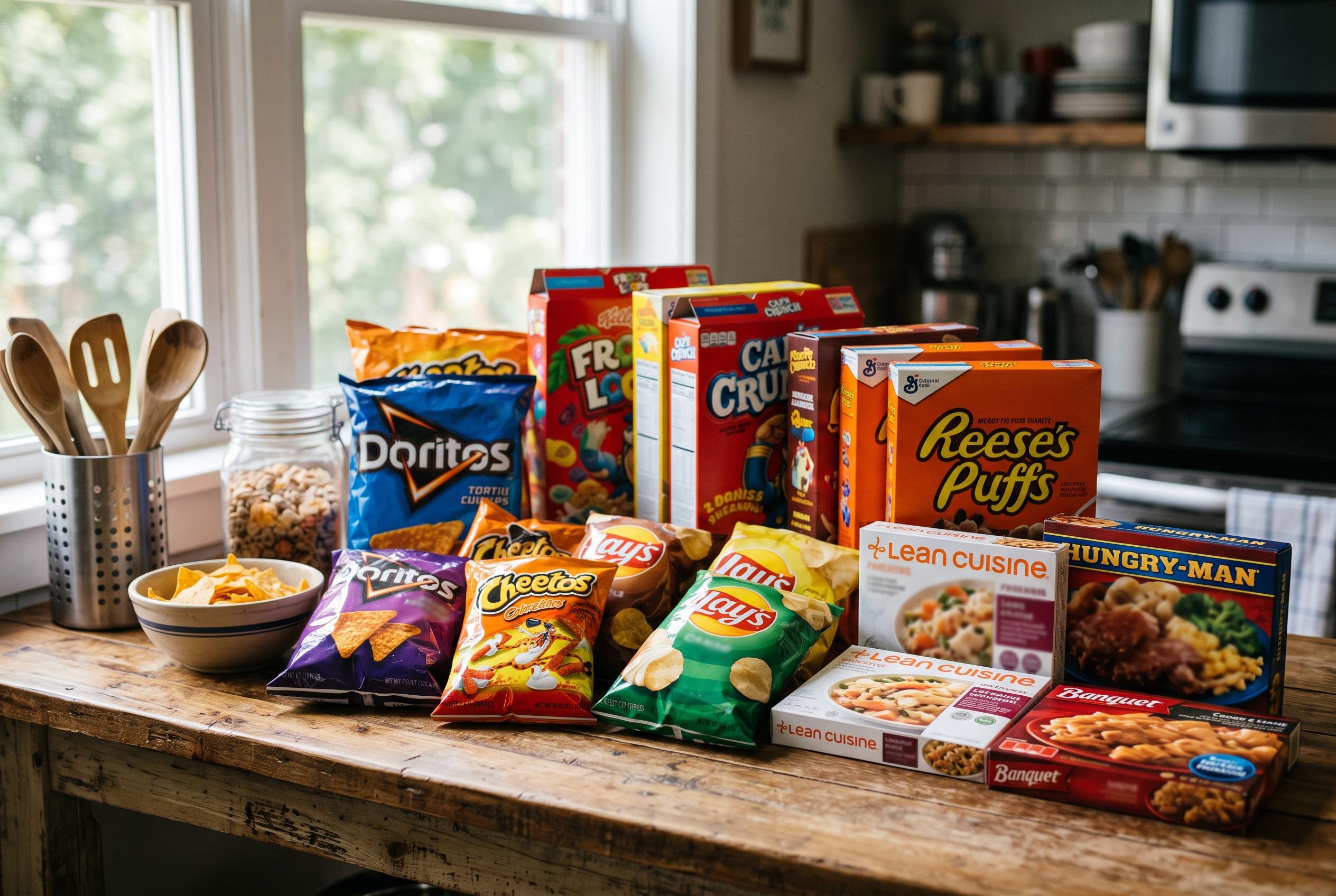

A recent study reveals that ultra-processed foods encourage overeating not only through their nutrient content but also due to their texture, calorie density, and speed of consumption, challenging traditional understandings of dietary health.
Ultra-processed foods may drive illness and premature death partly because they make people eat more calories than they realise. But the mechanism is not as simple as sugar alone, and controlled research suggests that the way these foods are built may matter as much as what they contain. According to a randomised trial published in Cell Metabolism and summarised by the US National Institutes of Health, adults eating an ultra-processed diet consumed more energy and gained more weight than when they ate minimally processed meals, even though the two diets were matched for fat, sugar, fibre and other nutrients.
One explanation is speed. In the trial, people eating the ultra-processed menu consumed about 50% more calories per minute, which can blunt the body’s usual fullness signals. Softer textures also make these foods easier to chew and swallow quickly. The result is that people may keep eating before satiety has caught up, even when the food is not obviously sweet or fatty.
Calorie density is part of the story too. Ultra-processed foods tend to pack roughly twice as many calories into the same weight as minimally processed foods, and the article notes that this can exceed 1,000 calories per pound. By comparison, the same calorie count can be delivered by much larger volumes of food such as berries or vegetables, which fill the stomach more and take longer to eat. The practical effect is that people may reach their energy needs before they feel physically full.
The Cell Metabolism study also showed how tricky it can be to compare diets fairly. To match calorie density, researchers had to use large amounts of drink, including sugar-free beverages, in the ultra-processed plan. When only solid foods were considered, the ultra-processed diet was still far denser in calories than the whole-food menu. That gap helps explain why participants ate more and gained weight, even under tightly controlled conditions.
Taken together, the evidence points to a broader problem than any single ingredient. Ultra-processed foods are not just high in sugar or fat; their texture, structure, speed of consumption and energy density all seem to encourage overconsumption. For families trying to make everyday choices, the lesson is less about perfection than about balance: the more meals are built around foods that are bulky, minimally processed and slower to eat, the easier it may be to avoid passive calorie overload.
Disclaimer: This content is for informational purposes only and is not intended to be a substitute for professional medical judgment, advice, diagnosis, or treatment.