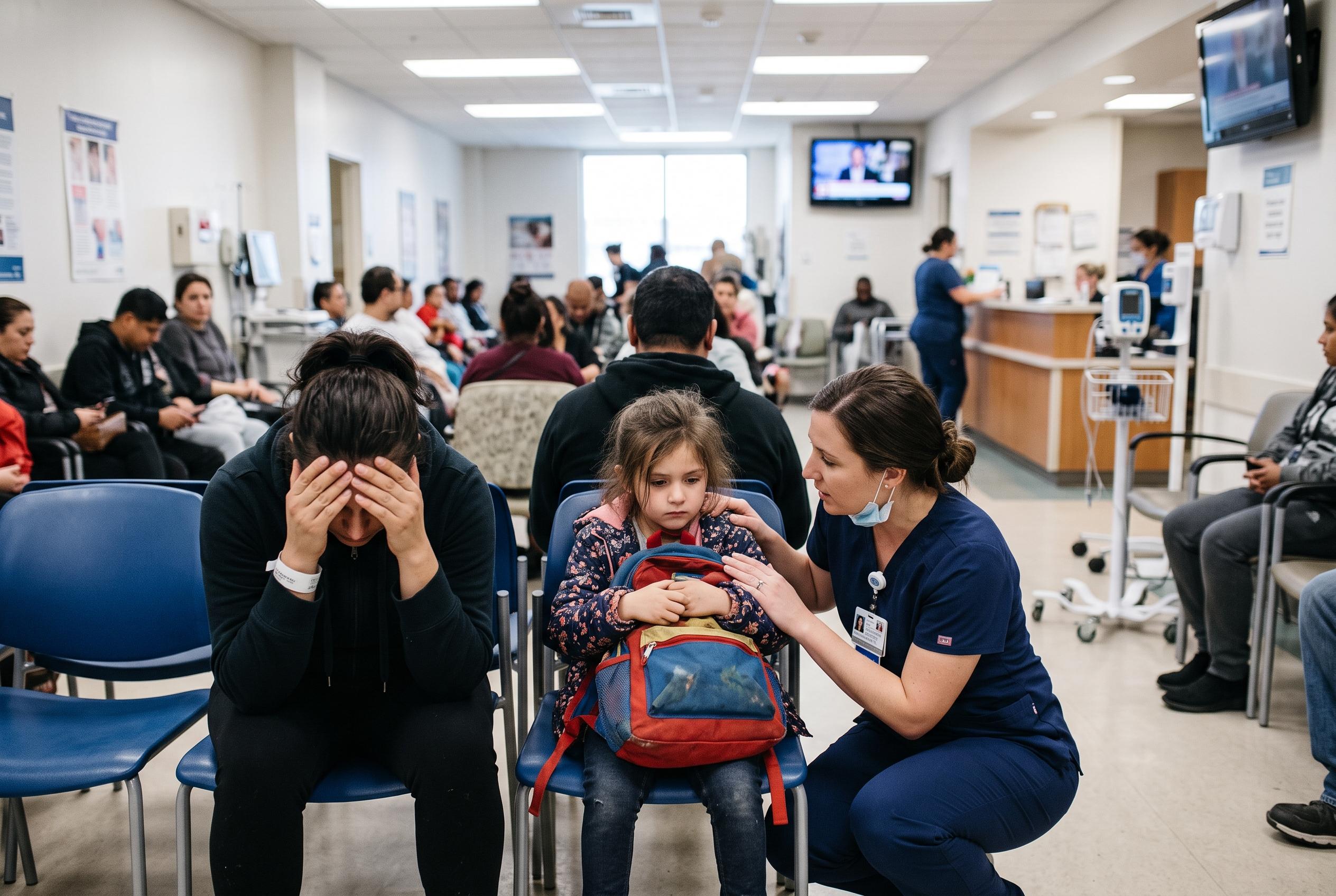

Emergency visits by children for suicide-related crises increased by 74% from 2016 to 2022, exposing hospital disparities and the urgent need for better mental health resources in US emergency departments.
Emergency visits by children for suicide-related crises rose 74% between 2016 and 2022, according to a study from Northwestern University and Ann & Robert H. Lurie Children’s Hospital of Chicago that examined more than 5 million emergency department visits for mental health concerns among children aged 5 to 17. The findings suggest that emergency departments across the US are seeing more young people in acute distress, while many hospitals still lack the specialist support needed to treat them well.
The research also found that around half of suicide-related visits, and about half of all paediatric mental health visits, took place in hospitals with lower paediatric volumes, meaning facilities that handle fewer than 10,000 paediatric cases a year. Those hospitals are often less prepared for mental health emergencies in children, raising the risk of long waits, delays in treatment and transfers to other centres for definitive care.
Audrey Brewer, the lead author and a paediatrician at Lurie Children’s, said every emergency department should have the tools to deliver evidence-based mental health care, not just large children’s hospitals. Jennifer Hoffmann, the senior author, said transfers can leave children and families waiting for days, and pointed to existing toolkits and readiness projects that hospitals can use to improve care while a transfer is arranged.
The study found that the most common mental health diagnoses were suicide or self-injury, at 24%, and depressive disorders, at 23%. It also found that Indigenous children were more likely to appear at lower-volume emergency departments, and that young people with substance use concerns were also seen more often there. Brewer said future interventions need to be tested in more diverse groups, and that better culturally responsive care in community and primary care settings could ease pressure on emergency departments.
Disclaimer: This content is for informational purposes only and is not intended to be a substitute for professional medical judgment, advice, diagnosis, or treatment.