
The rapid rise of GLP-1 drugs among adolescents is raising concerns over social media influences, misinformation, and the impact on young body image and health, amid growing use beyond medical necessity.
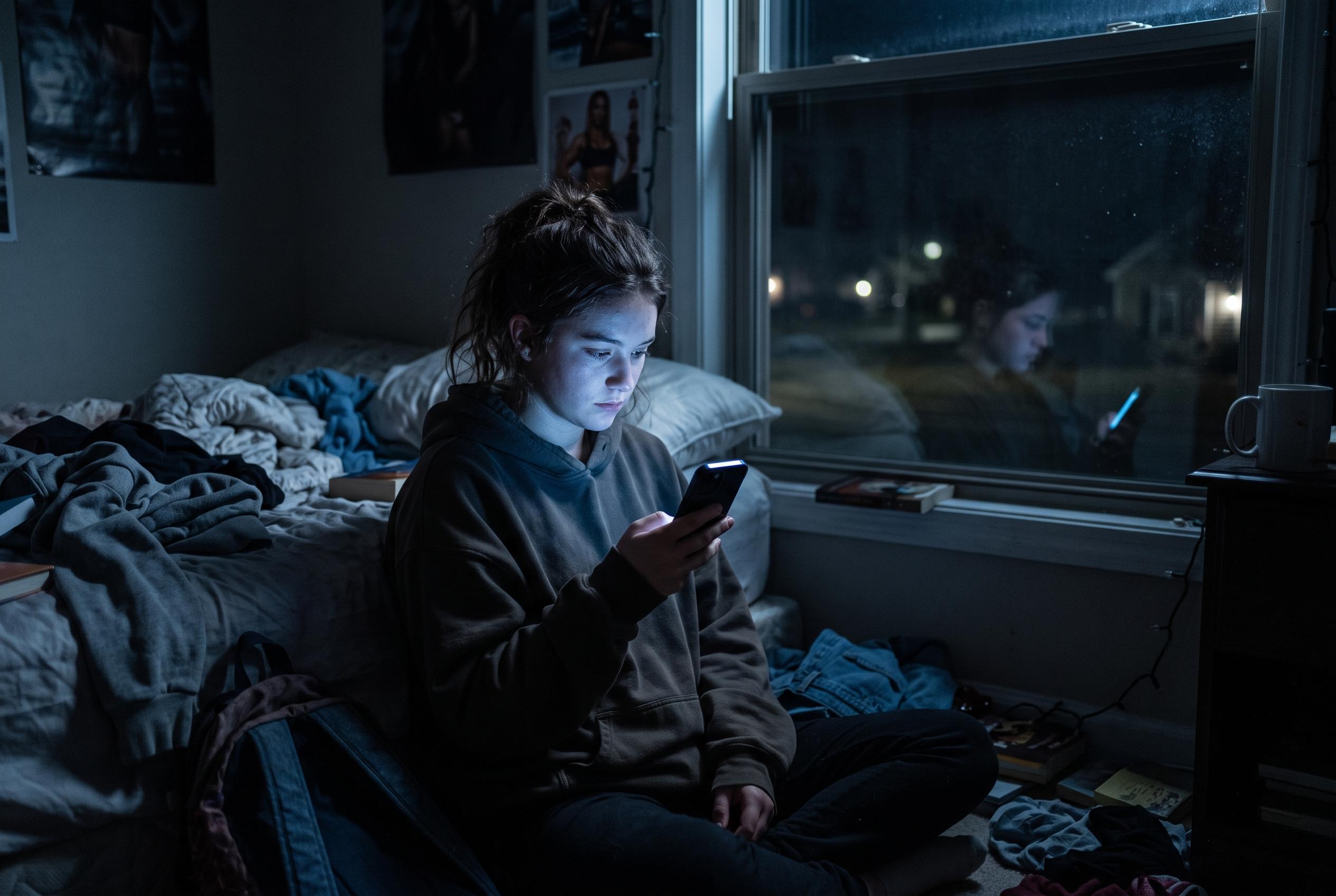
Adolescents are being pulled into the GLP-1 boom at a moment when the drugs are no longer just medical tools for diabetes or obesity, but fixtures of celebrity culture, social media and youth marketing. In the article that inspired this piece, Amelia Cate Prosser, a 17-year-old from Melbourne, described feeling that weight-loss injections were everywhere: in school conversations, in parents’ refrigerators and, most of all, across her feeds. That constant exposure, she said, helped warp her sense of what a healthy body should look like.
The scale of use is growing fast. Bloomberg Businessweek reported that about one in eight Americans over 18 now takes a GLP-1 drug, and a Komodo Health analysis found that US doctors wrote nearly 33,000 prescriptions for Wegovy and Zepbound for minors under 18 last year. While those figures remain small compared with adult use, they point to a wider shift: medicines once framed as treatment for serious illness are increasingly being seen by teenagers as a quick route to slimness, approval and social advantage.
That shift has alarmed clinicians and eating-disorder specialists, who say the social pressure around these drugs is arriving just as young people are already vulnerable to distorted ideas about body image. Jessie Menzel of the telehealth company Equip told Bloomberg Businessweek that weight-loss celebration has become so loud that it is hard for teenagers to avoid. Several adolescents interviewed for the article described peers taking GLP-1s without clear medical need, borrowing leftover doses from relatives or buying products online with fake birth dates. Some said they viewed the injections as a shortcut around exercise and diet; others associated them with fertility, romance or parental approval.
The medical and financial stakes are significant. The FDA said in March 2026 that it sent 30 warning letters to telehealth companies over false or misleading claims about compounded GLP-1 products, stressing that compounded drugs are not FDA-approved and have not been reviewed for safety, effectiveness or quality before sale. At the same time, the economics make long-term use hard to escape: Axios reported in March 2026 that cost is not the main reason many Americans avoid prescription weight-loss drugs, yet for younger users who do start, the expense can still run into thousands of dollars a year if insurance does not cover treatment.
The online environment is making matters worse. Bloomberg Businessweek found that TikTok, in particular, has become a hub for GLP-1 content, despite platform rules meant to restrict harmful weight-loss promotion. The article described how teenagers use coded spellings and search terms to find material that algorithms would otherwise suppress, while AI-generated summaries can even offer tips on how to talk to doctors to secure a prescription. TikTok, Meta and YouTube all say they restrict ads and content that promote dangerous weight-loss behaviour, but the article showed how easily creators and sellers adapt.
There are broader public-health questions too. Recent data suggest US adult obesity may be levelling off, though researchers remain cautious about reading too much into the numbers. Even so, the rapid rise of GLP-1s has already reshaped expectations around body size, treatment and self-control. For Prosser, who has since recovered from her eating disorder in Australia, the damage was not just physical. She said the algorithms kept feeding back the same message: that thinness is an achievable norm, and that young women should keep chasing it.
Disclaimer: This content is for informational purposes only and is not intended to be a substitute for professional medical judgment, advice, diagnosis, or treatment.