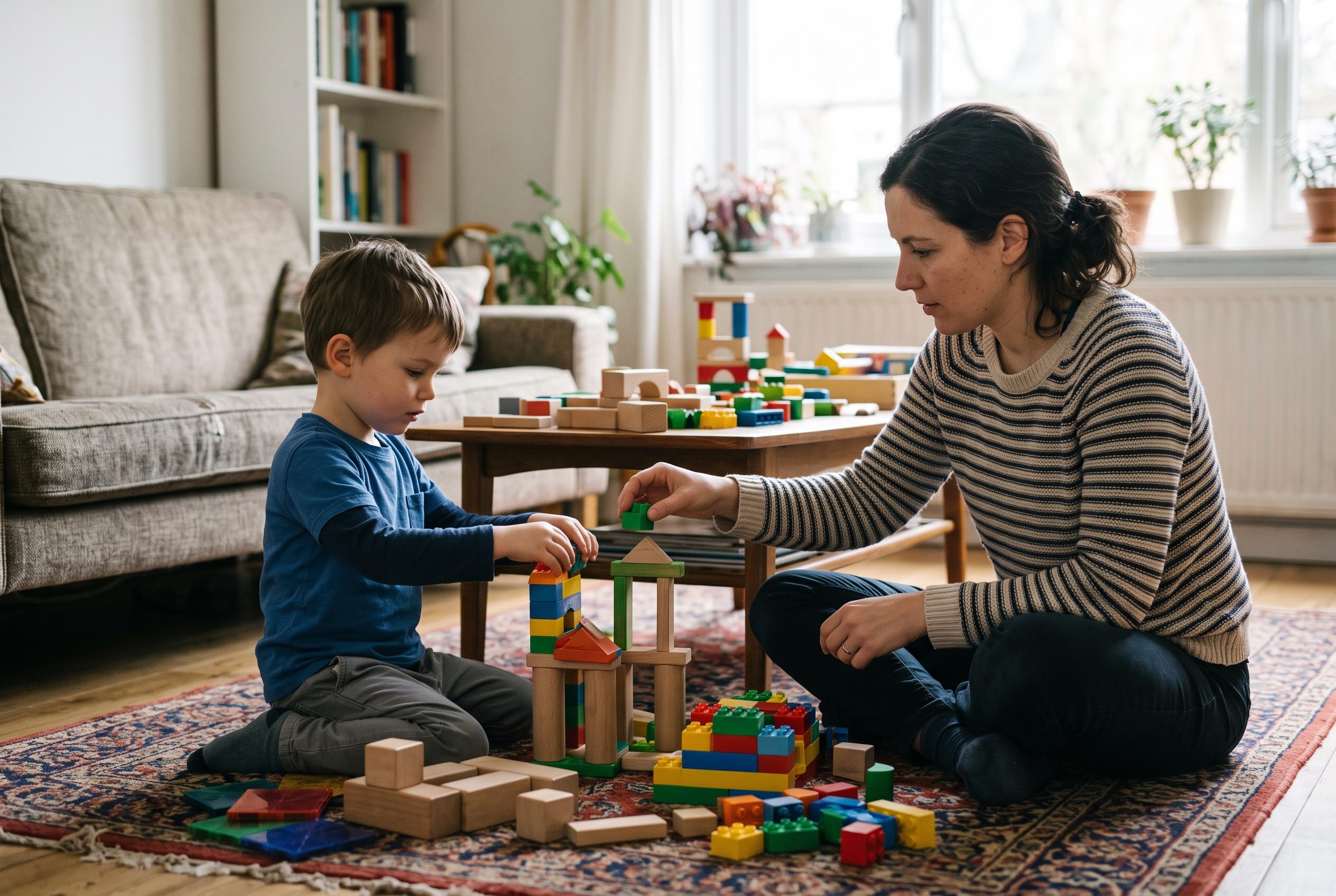

Building toys remain a versatile and educational choice for children, supporting creativity, problem-solving, and developmental growth across different ages, according to experts and reviews.
Building toys remain one of the most useful play categories for young children because they combine creativity with problem-solving, according to guides from Good Housekeeping and other parenting and toy-review sites. The appeal is broad: some children are happiest stacking large wooden blocks, while others prefer magnetic tiles, gear sets, marble runs or connector systems that let them experiment with balance, movement and design. Researchers and toy experts often point to the same basic benefit: these toys keep children actively involved, rather than passively entertained.
That makes the category especially valuable for parents trying to match toys to a child’s stage of development. The best choice for a baby or toddler is usually something large, soft-edged and easy to grasp, while older children can handle smaller pieces and more complex construction systems. Several guides, including one from The Tested Hub, stress that the most effective building toys are the ones that fit a child’s age, interests and attention span, rather than simply the most recognisable brand names.
Safety still matters most for younger children. Many items marketed to babies and toddlers can still pose a choking risk if pieces are small enough to fit inside a toilet paper tube, so supervision is important and manufacturers’ age guidance should be followed carefully. That is why many parent-focused round-ups recommend starting with chunky blocks, suction-based pieces or oversized foam sets before moving on to more intricate kits.
For babies and toddlers, simple sensory building toys can encourage grasping, stacking and early spatial awareness. As children move into the preschool years, larger systems such as DUPLO-style bricks, wooden blocks, magnetic foam sets and starter construction kits give them more freedom to build, knock down and rebuild. Good Housekeeping and similar reviewers note that this repeated cycle is part of the value: children are not only creating structures, but also learning how their creations behave once they are complete.
Older children often benefit from toys that add engineering concepts to the mix. Sets with gears, tracks, circuits and moving parts can introduce cause and effect, balance and basic physics in a way that feels like play rather than lesson time. LEGO’s own guidance on interactive toys says sensory, hands-on play can support curiosity, experimentation and independent thinking, which helps explain why many building sets hold children’s interest for years rather than weeks.
For many families, the strongest argument for building toys is their staying power. They can be used alone, with siblings or in group play, and the same set often supports very different kinds of play as a child grows. That versatility is why building toys regularly appear in broader toy-rotation systems and parent buying guides: they offer replay value, skill-building and enough open-ended use to justify the space they take up in the playroom.
Disclaimer: This content is for informational purposes only and is not intended to be a substitute for professional medical judgment, advice, diagnosis, or treatment.