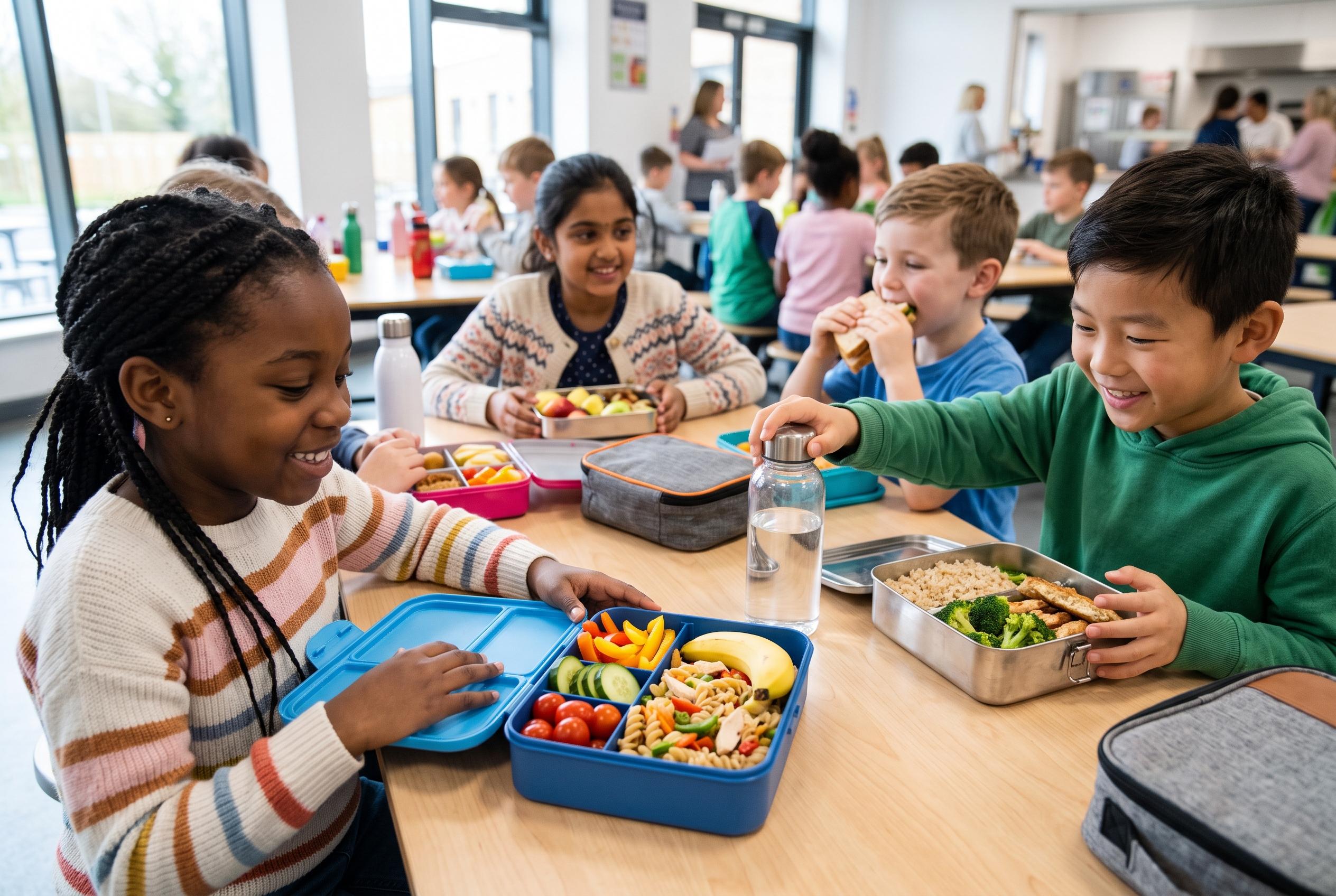

Research indicates that involving children in choosing and packing their lunch significantly increases the likelihood they will eat it, with experts emphasizing balance, variety, and age-appropriate routines to promote healthier eating habits from an early age.
The surest way to improve a child’s school lunch may not be to make it fancier, but to make it more likely to be eaten. Guidance from dietitians and children’s health providers increasingly points to the same principle: children are more willing to finish lunch when they have had a hand in choosing it, packing it and recognising what is inside. The Academy of Nutrition and Dietetics advises families to plan lunches together once a week and, where possible, let children pack their own food, while University of Arkansas Extension makes the point even more bluntly: “If kids have a vested interest in their lunch, they will be more likely to eat it.”
That matters because lunch habits formed early can linger. Johns Hopkins Medicine warns that poor food choices in primary school can harden into patterns by secondary school that are difficult to break. Dietitians at Nationwide Children’s Hospital say they regularly hear from families whose children come home ravenous, eat heavily after school and then have little appetite for supper, often because breakfast, lunch or both have been skipped. The hospital says that can happen for simple reasons: there was no time to grab food before the bus, or the child did not like what was on offer in the cafeteria.
The advice on what to pack is straightforward, but more structured than the usual sandwich-and-snack formula. Nationwide Children’s recommends including three to five food groups in lunch, always with a high-protein item and a high-fibre one. WakeMed suggests choosing foods from at least three or four food groups, including at least one protein and at least one fruit or vegetable. UTHealth Houston offers a plate guide that parents can adapt to a lunchbox: roughly half produce, one quarter whole grains and one quarter protein, alongside foods rich in calcium and vitamin D.
In practice, that can look very ordinary. Nationwide Children’s lists combinations such as a vegetable wrap with cucumbers and cream cheese, apple slices with peanut butter, or a homemade lunch kit with turkey slices, cheese cubes, fruit, wholewheat crackers and baby carrots. Another option is a hummus cup with peppers, tomatoes, crackers, grapes and milk. WakeMed’s suggestions run along similar lines, recommending mix-and-match lunches built from fruit, chopped vegetables, cheese or yoghurt, a protein such as boiled egg, hummus, tuna or nut butter, and a grain such as wholegrain bread, crackers, popcorn or pasta. The point is less perfection than balance.
Variety also matters, especially for children who tire quickly of routine. The Academy of Nutrition and Dietetics recommends swapping standard sandwiches for mini wholegrain pitas, English muffins or tortillas, and using wholegrain cereals or crackers to change texture and shape. It also suggests making lunches playful with themed days or colour-based meals, and taking children shopping so they can choose unfamiliar fruits and vegetables themselves. University of Arkansas Extension advises a similar tactic for picky eaters: mix fruit and vegetables in one container so a little sweetness transfers, such as raisins with baby carrots or apple slices with celery sticks.
The less glamorous details can be just as important as the menu. Both the Academy and Arkansas Extension recommend insulated lunch bags and ice packs to keep food safe, with Arkansas saying there should be two ice packs, one above and one below perishable foods. It also warns against using a paper bag for foods that need chilling, and says containers should be easy for children to open without help. Warm leftovers can work too, provided they can be reheated safely at school.
Not every family, of course, will pack a lunch every day, and some experts say school meals may be the better option. WakeMed notes that school breakfast and lunch programmes can provide balanced nutrition for some households. Where children buy food at school, Johns Hopkins Medicine recommends that parents go over the menu with them, steer them towards lower-sodium choices and keep an eye on sugary items. It also advises teaching children to buy and eat only one serving of any item, and says younger pupils may need tighter limits because some schools do not closely control spending on meal credit cards. Nationwide Children’s suggests checking the menu in advance and deciding which days a packed lunch makes more sense.
The wider routine around lunch counts as well. Johns Hopkins recommends three meals a day and an afternoon snack so children do not miss breakfast or lunch and then forage when they get home. For snacks, UTHealth Houston suggests pairing a carbohydrate with a protein or healthy fat, such as wholegrain crackers with cheese, apple slices with cheese or nut butter, or carrots with hummus. Its broader advice is notably low-pressure: reduce decision fatigue with repeating themes such as taco Tuesdays or meatless Mondays, offer a shortlist of favourite foods, and avoid battles over clean plates. As the public health school puts it, “It’s a parent’s job to offer a variety of nutritious foods, but ultimately it is the child’s job to decide whether and how much to eat.”
Disclaimer: This content is for informational purposes only and is not intended to be a substitute for professional medical judgment, advice, diagnosis, or treatment.