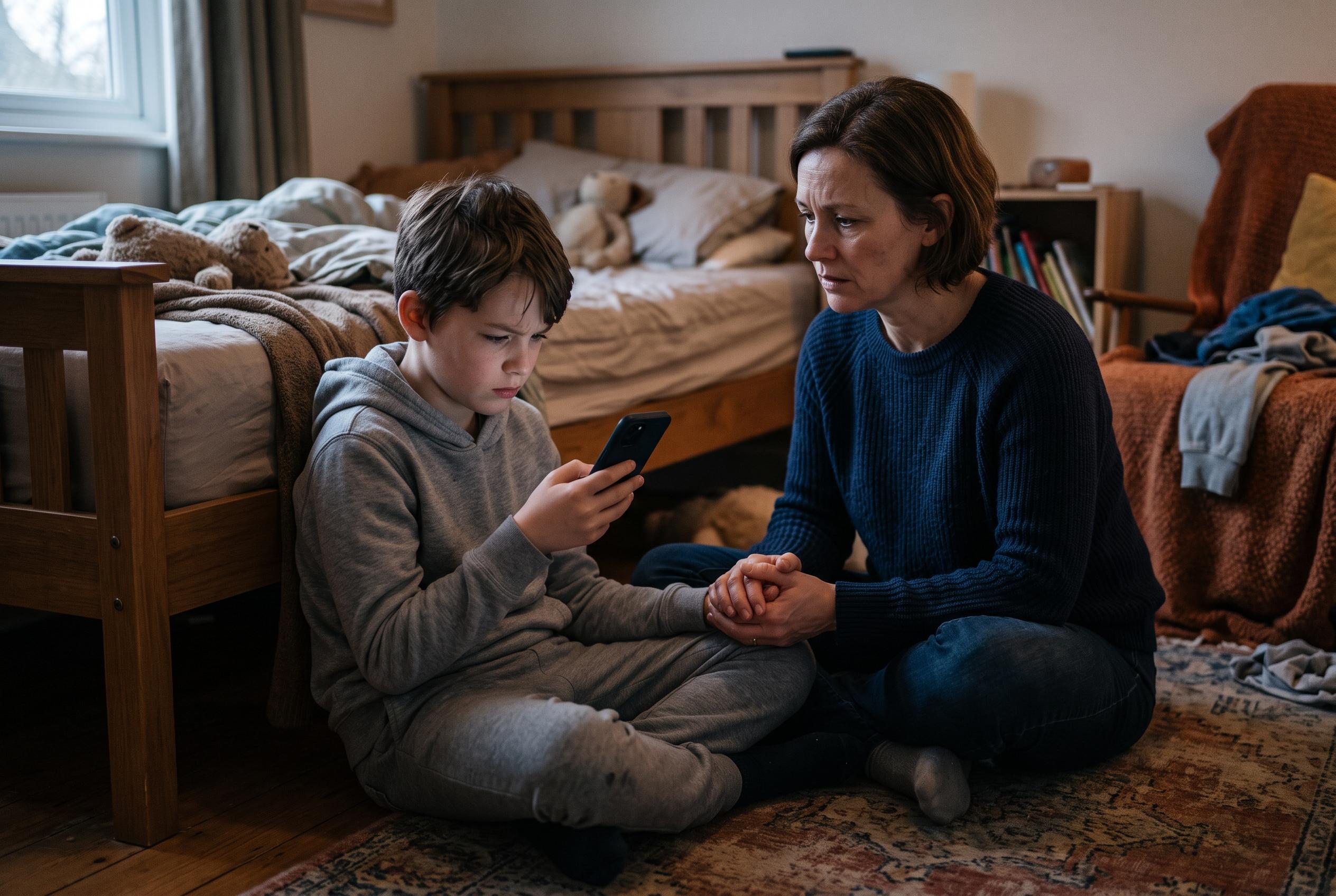

Experts reveal subtle physical, behavioural, and online clues indicating a child may be experiencing bullying, urging parents to look beyond obvious signs and foster open, judgement-free conversations.
The signs that a child is being bullied are often easiest to miss when adults are waiting for a confession. Federal guidance from StopBullying.gov (stopbullying.gov) says not all children who are bullied ask for help, and some show no obvious warning signs at all. The same guidance notes that only 20% of school bullying incidents were reported in 2018 and warns that stomach aches, damaged belongings, slipping grades or a sudden refusal to go to school can point not only to bullying but also to other serious problems, including depression or substance misuse. Mayo Clinic News Network (newsnetwork.mayoclinic.org) adds that parents should pay attention when a child becomes reluctant to attend school, distressed after time online or withdrawn from social situations.
What can look like ordinary school-day nerves may, in some families, be a child’s way of describing distress without having the words for it. HealthyChildren.org, published by the American Academy of Pediatrics, (healthychildren.org) says school avoidance often comes with headaches, stomach aches, nausea, dizziness or other symptoms that flare on school days and ease at weekends. The site advises parents to consider a wide range of possible pressures, from academic anxiety to peer problems and threats of harm. It is also unusually direct about bullying: if a bully is driving the anxiety, parents should advocate for their child with school staff. And if school refusal lasts for more than a week, the guidance says, the family may need professional help.
The social clues can be just as telling as the physical ones. StopBullying.gov (stopbullying.gov) lists a sudden loss of friends or avoidance of social situations among the common warning signs, while PBS KIDS for Parents (pbs.org) broadens that picture to include a child avoiding classmates after school and at weekends, talking about being alone at school or becoming frightened of riding the bus. PBS also notes that some of the hardest cases to spot are not openly aggressive at all, but built around exclusion, whispered comments and a shift in the balance of power inside a friendship group.
Online behaviour can reveal what face-to-face conversations do not. Understood.org (understood.org) says children being targeted online may suddenly stop using devices for activities they usually enjoy, hide phones or tablets from view, switch screens when a parent walks in, or become jumpy when a notification appears. The site says many stay silent because they do not recognise cyberbullying for what it is, believe negative attention is better than none, or fear that adults will confiscate their devices or social media accounts. Mayo Clinic psychologist Dr Bridget Biggs put it bluntly in advice carried by the Mayo Clinic News Network (newsnetwork.mayoclinic.org): “If your child is reluctant to go to school, stressed after spending time online or avoids social situations, he or she may be being bullied.”
The emotional fallout can be wider than parents expect. StopBullying.gov (stopbullying.gov) includes decreased self-esteem and feelings of helplessness on its checklist, and PBS KIDS for Parents (pbs.org) adds self-blame, worthlessness, agitation, moodiness and bedwetting. The federal site also flags changes in eating habits, including skipping meals or binge eating, and notes that some children come home hungry because they did not eat lunch. Mayo Clinic News Network (newsnetwork.mayoclinic.org) says the consequences can be severe, linking bullying victims to increased risks of anxiety, depression, sleep problems, self-harm, poor grades and, in rare cases, suicide.
Once parents suspect a problem, the advice across the sources is notably consistent: lower the temperature rather than turning the conversation into an interrogation. StopBullying.gov (stopbullying.gov) says talking with the child is the first step to identifying the root problem, while PBS KIDS for Parents (pbs.org) urges adults to listen without judgement and avoid questions that suggest the child caused what happened. PBS says the best moment for that conversation is often after the school day, once the child has had time to decompress, not in the rush before school or the raw minutes immediately after. Understood.org (understood.org) suggests another opening: a parent can mention a bullying experience from their own childhood or bring up a recent news story to make the subject less daunting.
If the concern centres on phones or messaging apps, the response may need to be more practical as well as more patient. Understood.org (understood.org) recommends that parents persist calmly if a child resists talking, explain that safety is the reason for asking questions, and, where appropriate, review browsing history and deleted material together. The site says families should save evidence if the abuse is intense or persistent. Mayo Clinic News Network (newsnetwork.mayoclinic.org) advises parents to take notes on incidents and reach out to teachers, while HealthyChildren.org (healthychildren.org) says school staff, including the nurse, can help support a return to class when anxiety is keeping a child away.
There is also a warning about what not to do. PBS KIDS for Parents (pbs.org) advises against arranging a face-to-face meeting between the bullied child and the other family in serious bullying cases, saying that can frighten the child further and damage trust. A more constructive approach, the article says, is to identify a trusted adult at school so the child knows exactly where to go if it happens again. Understood.org (understood.org) says a school counsellor or principal may need to be involved in cyberbullying cases, and in the most serious situations law enforcement may also be necessary. The common message running through all the guidance is that parents do not need absolute proof before acting: a pattern of changes in mood, health, friendships and screen habits is reason enough to start asking careful questions.
Disclaimer: This content is for informational purposes only and is not intended to be a substitute for professional medical judgment, advice, diagnosis, or treatment.